
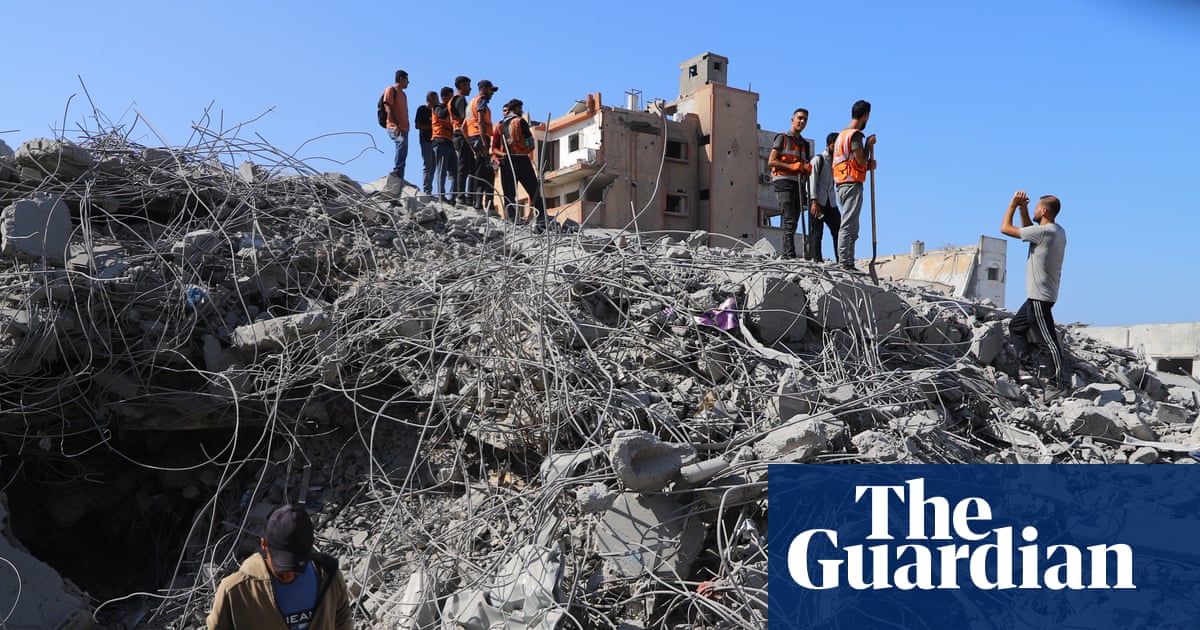
Gaza Recovery Faces Mounting Perils as Search for Bodies Continues Amidst Explosive Remnants and Toxic Waste
Gaza City – The already immense task of recovering thousands of bodies trapped beneath the rubble of Gaza’s devastated buildings is compounded by the growing threat of unexploded ordnance and widespread hazardous waste, including possibly 4.93 million tonnes of asbestos and 2.91 million tonnes of other dangerous materials. As residents contemplate returning to their destroyed homes following ceasefire conditions, experts warn of a surge in casualties from hidden explosives and long-term health risks posed by the toxic environment.
Sence October 2023, the United Nations Mine Action Service (UNMAS) has recorded 147 incidents involving ordnance found in rubble, resulting in 52 deaths and hundreds of injuries. The scale of destruction,coupled with the presence of hazardous materials in refugee camps and former industrial sites,presents an unprecedented challenge to recovery efforts and the safety of returning populations. The situation underscores the long-term consequences of the conflict,extending far beyond the immediate cessation of hostilities.
“The risk that you have now is that, on ceasefire conditions, people will go back to where their old houses and business where, and they want to return to normal, wich is entirely understandable,” said Luke Irving, the UNMAS program chief. “And by starting to move rubble, inevitably, if there has been heavy fighting in the area, they’re going to find explosive ordnance.”
The territory is now characterized by widespread devastation – a landscape of concrete shells, cratered neighborhoods, and impassable roads. Any comprehensive rubble-clearing operation, crucial for both recovery and rebuilding, has been repeatedly hampered by ongoing Israeli strikes.The fundamental question facing Gaza is not simply what further destruction may occur, but whether anything can be rebuilt amidst these layered crises.
