The Future of TV: How AI and Micro RGB Are Redefining OLED Display Technology in 2026
LG and Samsung have announced plans to integrate advanced artificial intelligence and new display technologies into their 2026 television lineups, focusing on enhanced image processing, color precision, and gaming performance. The updates represent a strategic shift by both manufacturers to leverage AI-driven hardware to maintain market share in the premium OLED sector.
LG OLED evo 2026: AI-Driven Image Processing
LG is positioning its 2026 OLED evo series to capitalize on proprietary artificial intelligence to refine picture quality. According to reports from Diario AS, the company’s focus remains on utilizing AI algorithms to optimize contrast, sharpness, and motion handling in real-time. This iteration of the evo technology aims to push the boundaries of OLED performance by automating calibration processes that previously required manual input. By embedding AI directly into the television’s processing architecture, LG aims to reduce the gap between source material quality and the output delivered on high-resolution panels.

Samsung 2026 OLED Strategy: Design and Performance
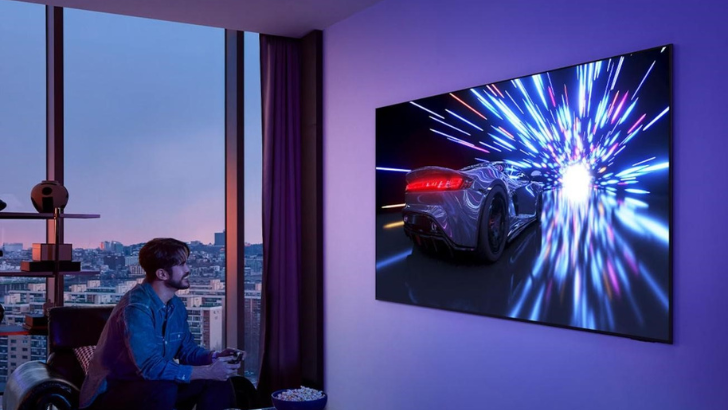
Samsung is expanding its OLED portfolio for 2026 with a dual focus on hardware aesthetics and functional utility for specific user groups, including gamers and sports enthusiasts. Samsung Global Newsroom indicates that the upcoming models will feature premium design elements alongside specialized software modes tailored for high-speed content. The integration of AI in these units serves to stabilize frame rates and enhance color accuracy, addressing common visual artifacts in fast-paced sports broadcasts and competitive gaming. Samsung’s approach emphasizes a broader range of screen sizes and form factors compared to previous cycles, aiming to capture a wider segment of the high-end display market.
Micro RGB and Next-Generation Visuals
A notable development across the industry is the emergence of Micro RGB technology, which is being marketed as a significant upgrade to current display standards. According to mundotech.news and El Diario de la Pampa, Micro RGB utilizes artificial intelligence to manage individual pixel output, resulting in superior brightness levels and deeper contrast ratios compared to traditional OLED configurations.
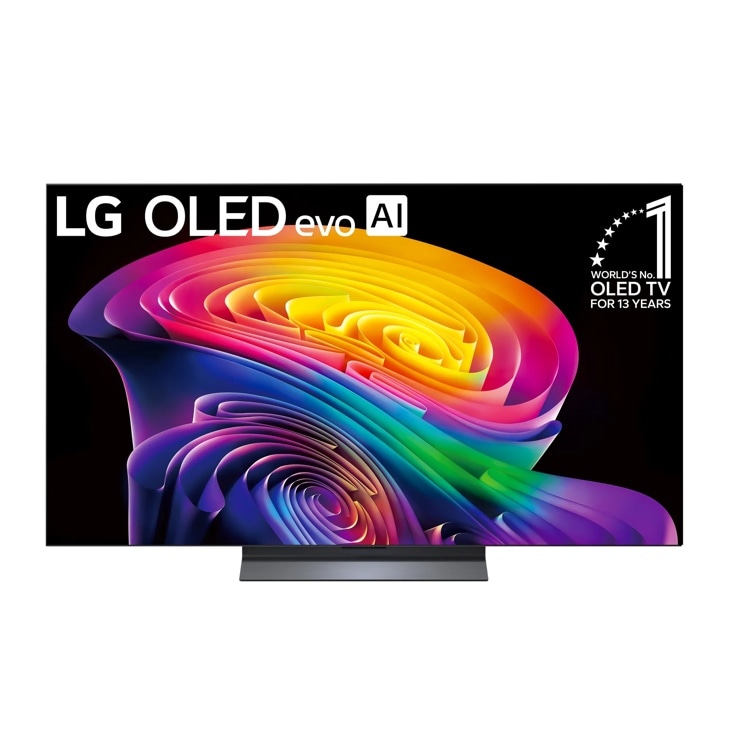
While LG and Samsung are both emphasizing AI-driven color precision, their technical implementations differ in scope. LG’s focus with its evo branding centers on the evolution of existing panel architecture through software optimization, whereas the introduction of Micro RGB represents a hardware-level shift in how light and color are emitted. Revista E&N notes that the industry trend toward AI-powered color management is a direct response to consumer demand for more accurate color reproduction in varied lighting environments.
Market Positioning and Institutional Stakes
The 2026 product cycles for both companies suggest an effort to standardize high-end features across more price points. By shifting the complexity of image calibration to onboard AI, both manufacturers are attempting to simplify the user experience while increasing the perceived value of their premium television offerings.
The industry remains in a period of preparation for these releases, with both LG and Samsung expected to provide further technical specifications and regional availability dates as the 2026 launch window approaches. Institutional updates from both firms remain limited to these high-level strategic announcements, leaving specific retail pricing and comprehensive hardware specifications to be confirmed in future product disclosures.