The Essential Antioxidant Food for Every Diet
Chronic inflammation is often a silent catalyst for systemic decay, operating beneath the surface of clinical detection until significant organ damage occurs. While the body utilizes inflammation as a vital defense mechanism, the transition from acute protection to chronic pathology represents a critical tipping point in long-term health outcomes.
Key Clinical Takeaways:
- Chronic inflammation increases the statistical probability of developing diabetes, various forms of cancer, and cardiovascular pathologies.
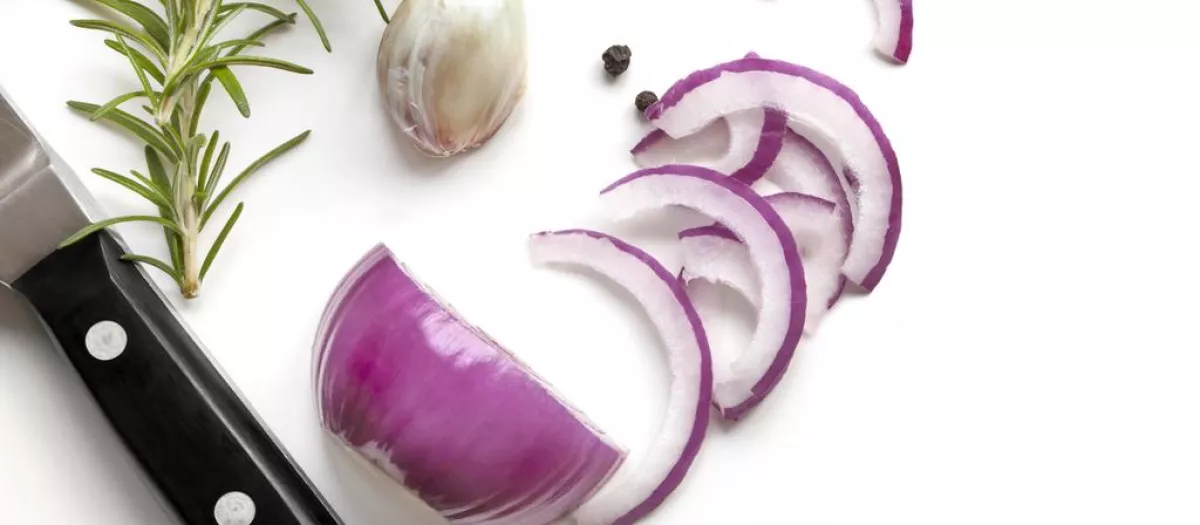
- Red onions are high in quercetin, a potent antioxidant concentrated primarily in the outer layers rather than the core.
- An anti-inflammatory dietary framework focuses on reducing insulin levels and neutralizing reactive oxygen species (ROS) to protect cellular DNA.
The pathogenesis of chronic inflammation arises when the body’s natural immune response fails to resolve, or when harmful stimuli persist indefinitely. Unlike acute inflammation, which presents with localized pain and swelling, the chronic variant is often asymptomatic in its early stages. This invisibility makes it particularly dangerous, as it gradually erodes the integrity of vital organs. Environmental triggers—ranging from industrial pollution and toxic exposure to chronic stress, tobacco use, and alcohol consumption—fuel this persistent state of alarm within the immune system.
At the molecular level, this process is driven by the accumulation of free radicals. These highly reactive chemical compounds are formed when atoms or molecules gain or lose an electron, creating instability. While they serve a role in normal cellular processes, abnormally high concentrations lead to oxidative stress. This stress damages the primary components of the cell, including proteins, cellular membranes, and most critically, the DNA. When the genetic blueprint of a cell is compromised, the risk of oncogenesis and other severe health conditions increases significantly.
“Chronic inflammation occurs when the inflammatory response is not resolved and/or when harmful stimuli persist in the body,” explains nutritionist Julia Farré.
For individuals already managing systemic inflammatory markers, simply treating symptoms is insufficient. Addressing the root cause requires a multidisciplinary approach. Patients struggling with persistent inflammation should prioritize consultations with board-certified rheumatologists to determine if their condition requires advanced biologic therapies or targeted pharmacological intervention to prevent permanent tissue damage.
The Role of Quercetin in Cellular Defense
To counteract the damage caused by reactive oxygen species (ROS), the body requires a steady influx of antioxidants—substances capable of neutralizing free radicals and blocking cellular aging. Among the most effective dietary allies in this process is the red onion, specifically due to its high concentration of quercetin.
Quercetin is a flavonoid that acts as a powerful antioxidant, but its distribution within the vegetable is not uniform. Clinical observation suggests that this compound is not concentrated in the interior of the onion but is instead found in the outer layers. To maximize the therapeutic potential of this food, the preparation method must be precise. Removing only the most superficial, paper-like skin while retaining the remaining outer layers ensures the highest intake of quercetin.
The goal of integrating these nutrients is not rapid weight loss, but rather the establishment of a sustainable lifestyle that reduces systemic inflammation and lowers blood insulin levels. By prioritizing nutrient-dense foods and eliminating ultra-processed products and refined sugars, patients can create a biological environment that favors repair over degradation.
Expanding the Anti-Inflammatory Dietary Framework
While red onions provide a concentrated source of quercetin, a comprehensive anti-inflammatory strategy requires a diverse spectrum of antioxidant-rich foods. The objective is to provide the organism with a variety of tools to neutralize different types of free radicals and support the immune system’s overall resilience.

Essential components of this dietary architecture include:
- Citrus Fruits and Red Berries: High in antioxidants that support immune function and vision.
- Leafy Green Vegetables: Critical for maintaining cellular health and preventing oxidative damage.
- Whole Grains and Legumes: Including beans, which provide the foundational fiber and nutrients needed for a balanced metabolic state.
- Dark Chocolate and Specific Teas: Additional sources of polyphenols that contribute to longevity and heart health.
The cumulative effect of these foods is the slowing or blocking of cellular damage, which is essential for preventing cardiopathies and various malignancies. Because the link between diet, insulin levels, and cardiovascular health is so tight, patients with a history of hypertension or lipid imbalances should coordinate their dietary changes with specialized cardiologists to ensure that nutritional interventions align with their clinical cardiac profile.
According to nutritionist Edvânia Soares, antioxidant foods are essential for a healthy longevity because they neutralize the free radicals that contribute to both aging and chronic disease.
The transition to an anti-inflammatory lifestyle is often complex, requiring a shift in both procurement and preparation habits. To avoid the pitfalls of generic dietary advice, it is highly recommended to work with licensed clinical nutritionists who can tailor an antioxidant-rich plan to an individual’s specific biomarkers and medical history.
The trajectory of nutritional science is moving toward a more granular understanding of how specific phytonutrients, like quercetin, interact with human genetics to mitigate chronic disease. While no single food is a “miracle cure,” the strategic use of antioxidant-dense diets represents a primary line of defense against the morbidity associated with oxidative stress. The future of preventative medicine lies in this intersection of clinical nutrition and cellular biology, shifting the focus from treating finish-stage organ failure to preserving cellular integrity in real-time.
Disclaimer: The information provided in this article is for educational and scientific communication purposes only and does not constitute medical advice. Always consult with a qualified healthcare provider regarding any medical condition, diagnosis, or treatment plan.