
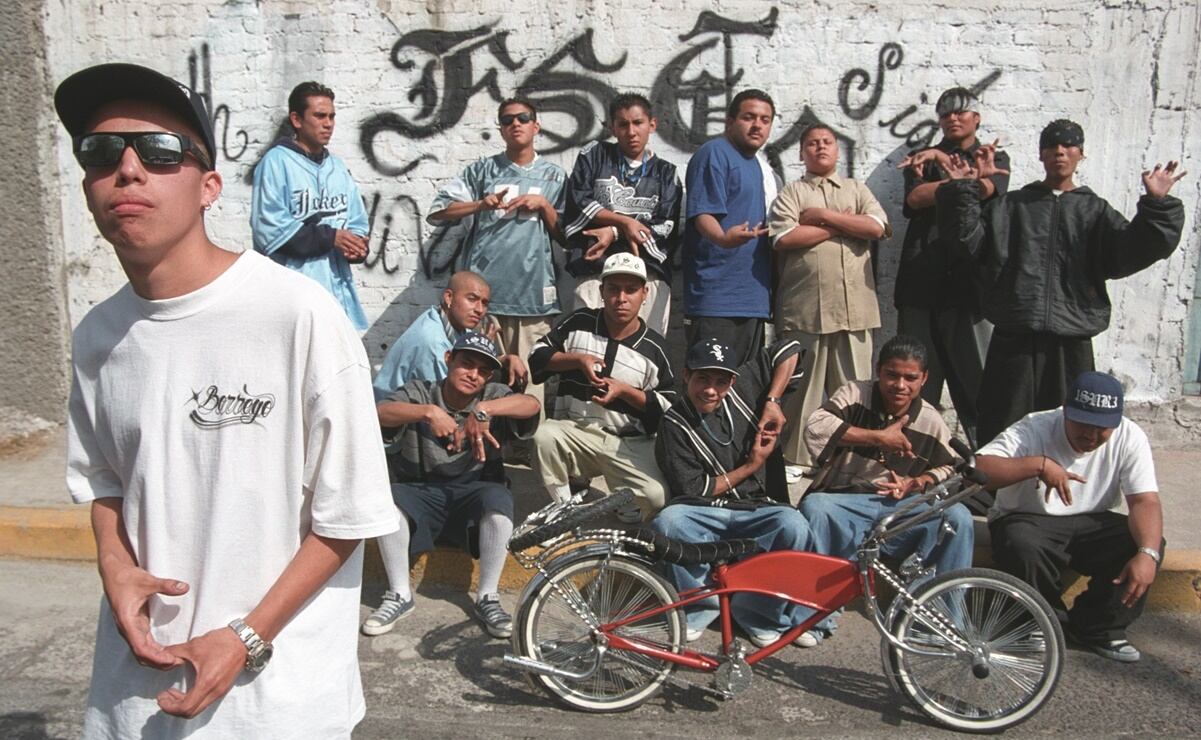
The Decline of Cholo Gangs in the Valley of Mexico
The “Cholo” subculture, once a dominant force defining the urban landscape of Mexico City and the State of Mexico with over 3,000 active groups in the late 1980s, has undergone a precipitous decline by 2026. According to sociological data from El Colegio de México, these street-level organizations have largely dissolved, replaced by the professionalization of organized crime and a generational shift toward digital sociability, fundamentally altering the region’s cultural and security dynamics.
In the high-stakes game of cultural narrative, few shifts are as seismic as the quiet death of a subculture. For decades, the “Cholo” identity was not just a sociological statistic. it was a brand. It was an aesthetic exported through film, music, and fashion, representing a specific type of urban resistance rooted in the Pachuco legacy. But as we navigate the first quarter of 2026, the data tells a different story. The street corner, once the boardroom for local gang hierarchy, has been vacated. The turf wars that fueled the gritty realism of early 2000s Mexican cinema have given way to a more sterile, yet far more dangerous, digital and corporate criminal landscape.
The Metrics of Dissolution: From Street Corners to Cartel Payrolls
To understand the magnitude of this shift, we must gaze at the hard numbers provided by the foundational study from Estudios Sociológicos de El Colegio de México. The researchers Ignacio Cano, Christian Ascencio, and Fátima Morales paint a picture of an ecosystem in collapse. Where there were once thousands of distinct groups operating with a degree of chaotic autonomy, the current landscape is defined by scarcity. The “Cholo” is no longer the primary antagonist in the public safety narrative; they have been outcompeted.
This isn’t merely a reduction in crime; it is a market correction. The “street gang” model proved inefficient compared to the vertically integrated supply chains of modern drug cartels. Young recruits who once sought status through local territorial dominance are now being headhunted for the “professionalization” of illicit activities. The romanticized notion of the neighborhood gang fighting for block-by-block control has been swallowed by the macro-economics of transnational trafficking.
the social function of the gang has evaporated. In the 1990s, the gang offered community, identity, and a rigid social hierarchy for marginalized youth. Today, that social capital is generated online. The physical “plaza” has been replaced by the algorithmic feed. As the study notes, new forms of virtual sociability have rendered the physical gathering of gangs less relevant, fracturing the cohesion required to maintain large-scale street organizations.
The Brand Impact: When the Aesthetic Outlives the Reality
For the entertainment industry, this sociological shift creates a complex IP and branding challenge. The “Cholo” aesthetic remains a potent visual language in global pop culture—from the lowrider scene in California to the reggaeton fashion circuits in Latin America. However, there is a growing dissonance between the stylized version of this culture sold in music videos and the grim reality of its dissolution on the ground in CDMX.
Media producers and streaming platforms (SVOD) looking to greenlight projects set in this milieu face a credibility gap. Audiences are becoming increasingly sophisticated; they can smell inauthenticity. A script relying on the tropes of 1990s gang warfare risks feeling like a period piece rather than a contemporary thriller. This necessitates a rigorous vetting process.
“We are seeing a decoupling of the aesthetic from the activity. The fashion remains, the slang persists in music, but the organizational structure that gave it weight is gone. For studios, So you cannot rely on old playbooks. You need cultural consultants and authenticity experts who understand that the ‘enemy’ in 2026 isn’t the guy on the corner, but the faceless syndicate funding the corner.”
— Elena Rostova, Senior Media Analyst & Cultural Risk Consultant
This divergence creates liability. If a production glorifies a dying subculture without acknowledging its absorption into larger criminal enterprises, it risks backlash from local communities and scrutiny from regulators concerned with the glorification of crime. The brand equity of a project hinges on this nuance.
The Security Pivot: Managing Venues in a Post-Gang Landscape
The decline of the “Cholo” gang does not mean the decline of violence; it means the evolution of it. For the live events and hospitality sector in the Valley of Mexico, this changes the risk profile entirely. The predictable, territorial violence of the past has been replaced by the sporadic, high-impact volatility of cartel disputes.
Event promoters and venue owners can no longer rely on traditional community policing or informal agreements with local street leaders. The “professionalization” of crime means that security threats are now more calculated and potentially more lethal. A concert in a formerly “gang-heavy” zone is not necessarily safer today; it is simply subject to different variables.
This reality demands a higher tier of operational security. The days of hiring local off-duty police for perimeter control are insufficient against the logistical capabilities of modern organized crime groups. Productions must now integrate specialized event security and intelligence firms capable of monitoring cartel movements and digital threat vectors. The problem is no longer just managing the crowd; it is managing the invisible geopolitical shifts of the criminal underworld that could turn a venue into a collateral target.
The Legal and PR Fallout
As the lines blur between street culture and organized crime, the legal ramifications for artists and brands associated with the “Cholo” identity become more precarious. In the past, an artist might have navigated local gang affiliations with a degree of street credibility that bolstered their brand. Today, those same affiliations can trigger federal investigations or asset forfeiture.
We are seeing a rise in talent seeking specialized entertainment legal counsel to audit their past associations and protect their intellectual property from being tainted by criminal investigations. The “Problem/Solution” dynamic here is clear: The problem is the reputational risk of guilt by association in a hyper-surveilled digital age. The solution is proactive reputation management and legal firewalls.
the decline of these groups leaves a vacuum in the cultural narrative. Who tells the story of the “last Cholo”? It is a poignant moment for documentary filmmakers and journalists. The transition from physical resistance to digital assimilation is a story of globalization and loss. It is a narrative rich with human drama, provided it is handled with the gravity it deserves.
The Future of the Narrative
As we move deeper into 2026, the “Cholo” will likely transition fully into mythology—a historical footnote in the broader saga of Latin American urbanization. For the media directory and the professionals within it, the opportunity lies in navigating this transition. Whether it is securing a festival in a changing neighborhood, consulting on a script that avoids outdated tropes, or managing the crisis communications for a brand caught in the crossfire of this sociological shift, the demand for specialized expertise has never been higher.
The street corner is empty, but the story is just beginning. The challenge for the industry is to inform it without romanticizing the violence that cleared the board.
Disclaimer: The views and cultural analyses presented in this article are for informational and entertainment purposes only. Information regarding legal disputes or financial data is based on available public records.