
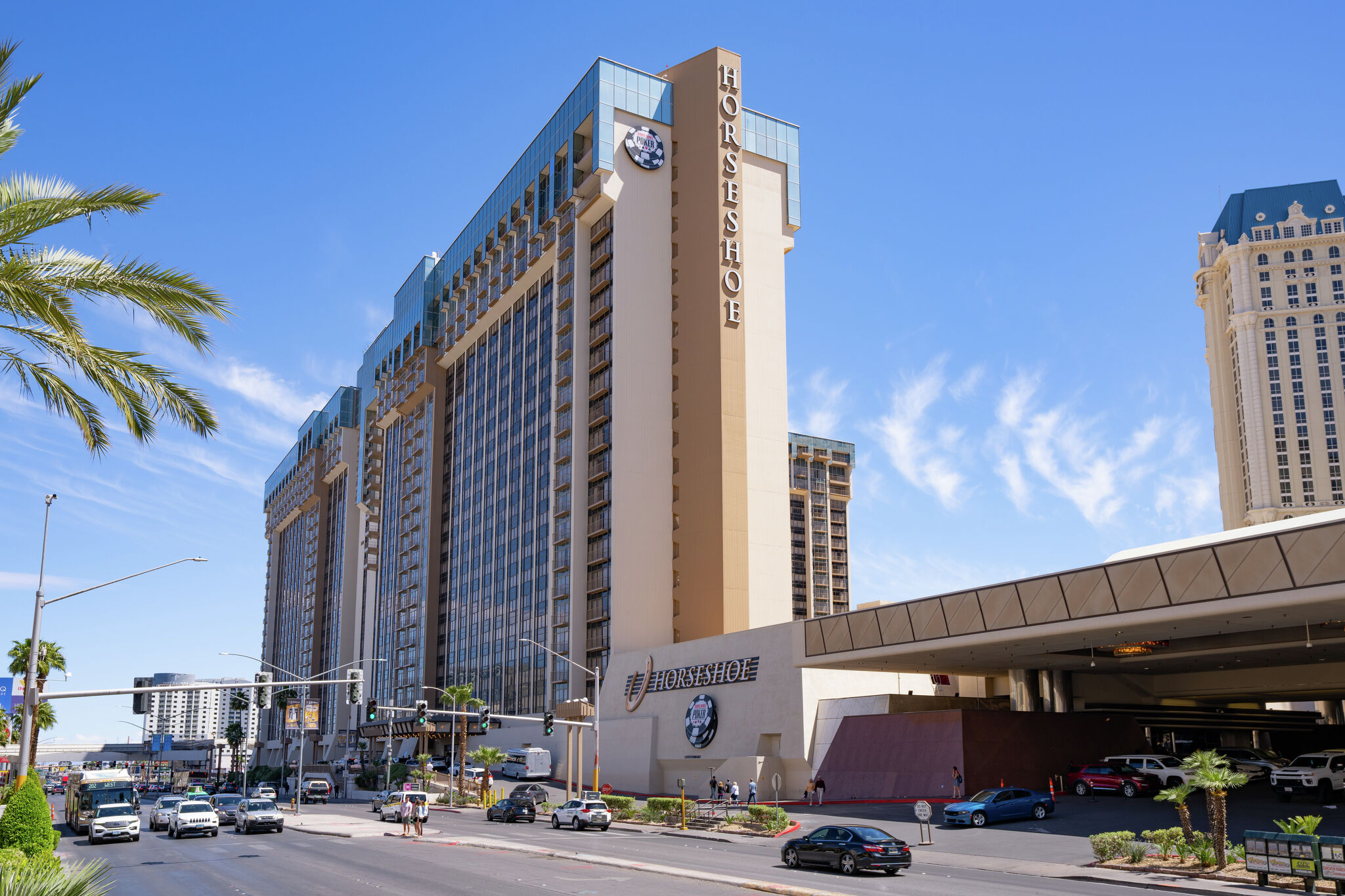
Las Vegas Hotel Fire Claims 87 Lives, Remains City’s Deadliest Disaster
LAS VEGAS – A devastating fire ripped through the MGM Grand Hotel in Las Vegas on November 21, 1980, claiming the lives of 87 people and injuring more than 600 others. The blaze, one of the deadliest hotel fires in U.S.history, exposed critical fire safety deficiencies and led to sweeping changes in building codes nationwide. Forty-four years later,the tragedy serves as a stark reminder of the importance of fire preparedness,particularly in large-scale hospitality venues,as highlighted by recent discussions surrounding hotel safety protocols.
The fire erupted on the second floor of the hotel’s heavily carpeted interior, quickly spreading through the labyrinthine corridors and fueled by flammable materials. While the exact cause remains undetermined, investigators pointed to a possible electrical fault in a floral display as a likely ignition source. thick, toxic smoke overwhelmed guests and staff, hindering evacuation efforts. Many victims succumbed to smoke inhalation before rescuers could reach them. The MGM Grand, at the time the largest hotel in the world, was operating at near capacity with over 6,000 guests and employees.
Initial reports indicated confusion and delays in alerting guests. The hotel’s public address system malfunctioned, and many fire alarms were not audible due to the casino’s loud background noise. Firefighters faced critically important challenges battling the blaze, hampered by a lack of adequate firewalls and sprinkler systems in certain areas of the hotel. The carpet, a nylon material, contributed to the rapid spread of flames and produced highly toxic fumes.
“It was chaos,” recalled a surviving guest in a 1980 interview with the Los Angeles Times. “You couldn’t see anything, you could barely breathe. People were screaming, trying to find their way out.”
The disaster prompted immediate reviews of fire safety regulations in Nevada and across the country. Subsequent investigations revealed numerous code violations at the MGM Grand, including insufficient fireproofing materials, inadequate signage, and a lack of regular fire drills. In the wake of the tragedy, Nevada lawmakers mandated the installation of automatic sprinkler systems in high-rise hotels and strengthened fire alarm requirements. The National Fire Protection Association also revised its model building codes, influencing fire safety standards nationwide.
Today, the building formerly known as the MGM Grand has undergone multiple renovations and name changes, operating moast recently as the Horseshoe Las Vegas. While significant improvements have been made to fire safety infrastructure, experts emphasize the importance of vigilance for hotel guests. Experts recommend quickly assessing room safety upon arrival, locating fire exits and alarms, and understanding evacuation procedures. In the event of a fire, checking a door for heat before attempting to exit and utilizing stairs rather of elevators are crucial safety measures.
