
Sri Lankan buddhist Extremism on the Rise, Fueled by Post-War Fears
Colombo, Sri Lanka – A leading figure in Sri Lanka’s Buddhist nationalist movement, Galagoda Athureliye Rathana Thero, openly prioritizes political activism over spiritual pursuits, stating “Attaining nirvana can wait.” This sentiment, revealed in a recent interview, underscores a growing trend of Buddhist extremism in the island nation, raising concerns about rising religious tensions and potential for violence.
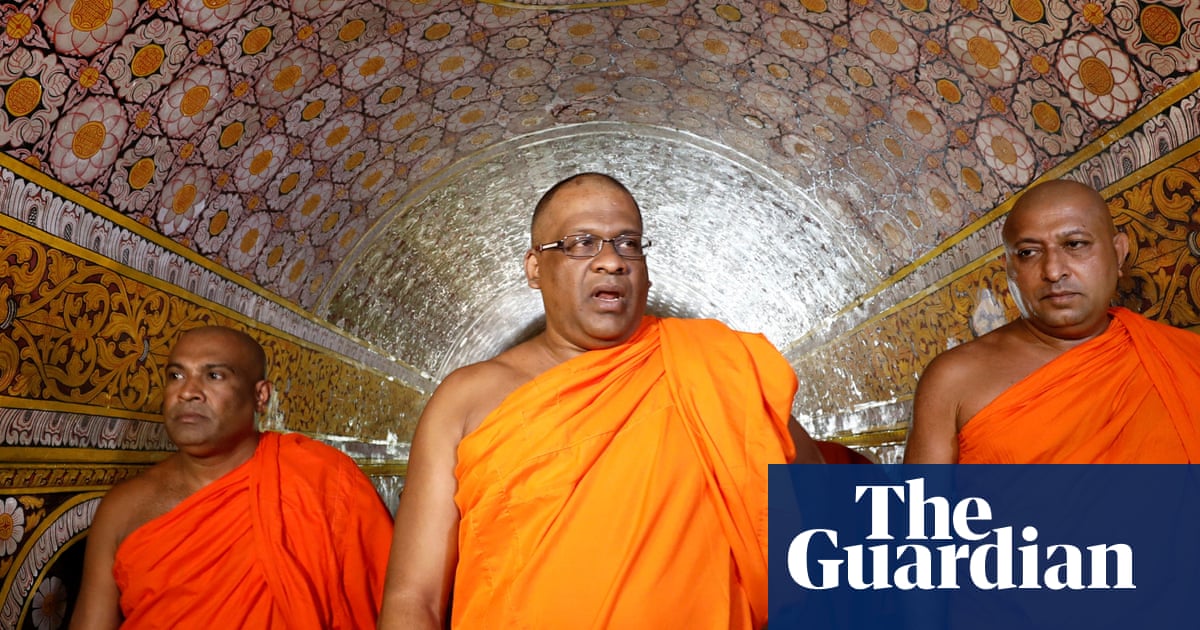
rathana Thero, head of the Bodu bala Sena (BBS) - or Buddhist Power Force – embodies a new generation of monks actively engaged in shaping sri Lankan politics. During a meeting described by a journalist, Rathana Thero, comfortably seated in a plush armchair and monitoring phone notifications, declared the need to “protect our culture,” while concurrently insisting on non-violence.
The monk identified a perceived threat from a “broader Muslim conspiracy to destabilise the country,” citing the 2019 Easter bombings – carried out by domestic Muslim extremists targeting churches and hotels – as evidence. He alluded to an “organised network” operating covertly. When challenged about perhaps inciting violence with his rhetoric, Rathana Thero dismissed the criticism as media distortion, even laughing off claims he had threatened a Muslim politician.
The BBS frames its activism as a crusade to restore a historically Buddhist Ceylon, alleging that British colonial rule introduced divisive Christianity. the association’s narrative presents a vision of a unified past disrupted by external forces, a historical revisionism articulated by Rathana Thero during the interview. His demeanor shifted between self-satisfaction and aggression while frequently referencing the need to “fight” for Buddhist values, despite repeated assurances of non-violent methods.
Despite his hardline rhetoric, Rathana Thero attempted to project hospitality at the conclusion of the meeting, offering tea to the visiting journalist.
The rise of Buddhist extremism in Sri Lanka is rooted in the aftermath of the decades-long civil war against the Tamil Tigers, which ended in 2009. The war’s conclusion saw a surge in nationalist sentiment, which groups like the BBS have skillfully exploited. Experts warn that this trend poses a significant threat to Sri Lanka’s multi-ethnic, multi-religious society.
