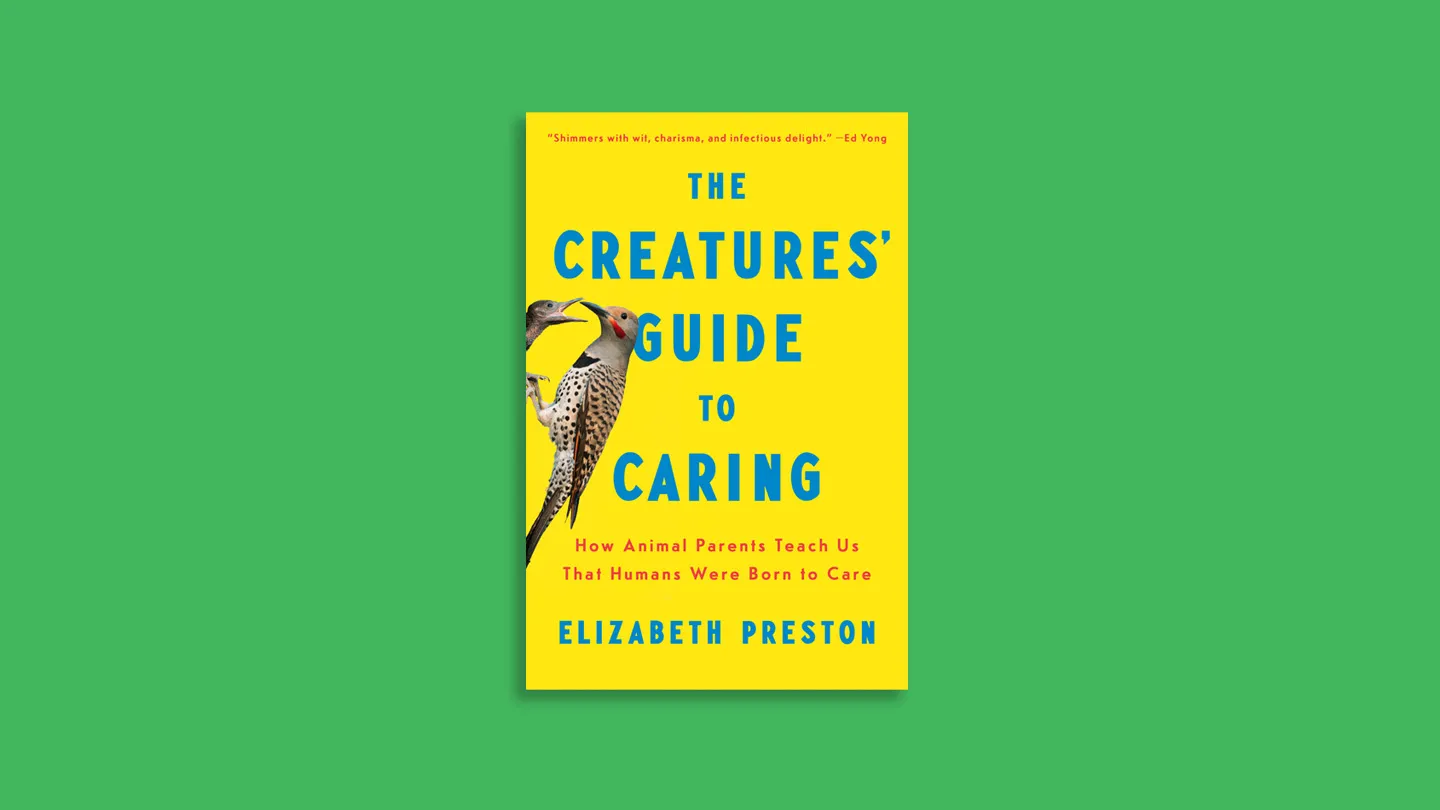
The Creatures’ Guide to Caring: Lessons on Animal Parenting
The biological imperative to protect offspring is not a uniquely human trait, but a sophisticated evolutionary mechanism shared across the animal kingdom. By examining the diverse strategies of non-human parents, we gain a clinical window into the origins of human sociality and the fundamental biology of care.
Key Clinical Takeaways:
- Human caretaking evolved from cooperative group structures rather than isolated parental units.
- Animal behaviors—ranging from poison frog paternal care to killer whale grandmothering—highlight the biological diversity of survival strategies.
- Modern research utilizing DNA sequencing, drones, and radio collars is redefining our understanding of the evolutionary basis of empathy and social bonding.
The struggle to define “excellent parenting” often focuses on psychological frameworks or cultural norms, yet the underlying architecture of care is rooted in evolutionary biology. For many, the clinical gap exists in understanding how the drive to nurture transitioned from a survival instinct for a single species into the complex social fabric of human society. This disconnect often leaves parents and practitioners searching for a more foundational understanding of the biological tools we inherited for caretaking.
The Evolutionary Spectrum of Caretaking Behaviors
Biological caretaking manifests in a staggering array of adaptations, some of which challenge conventional notions of parental investment. In the wild, the lengths to which animals go to ensure offspring survival are often extreme and biologically taxing. Poison frog fathers, for instance, utilize their backs as transport mechanisms for tadpoles, ensuring their young reach safe aquatic environments. Conversely, some species exhibit a more sacrificial approach; certain spider mothers allow their hatchlings to consume them alive, providing a final, critical nutrient boost for survival.
These behaviors are not mere anomalies but are calibrated responses to environmental pressures. The role of the extended family is equally critical, as seen in killer whale populations where grandmothers hunt to provide sustenance for their adult sons. This suggests that the biological drive to care extends beyond the immediate parent-offspring dyad, mirroring the cooperative breeding patterns found in early hominids. Tropical birds further complicate the narrative by incubating the eggs of their peers, demonstrating that the capacity for care can transcend genetic kinship.
“Looking to creatures from burying beetles to spotted hyenas, The Creatures Guide to Caring explores what it means to be a good parent.” — ScienceNews
For families navigating the complexities of early childhood development or behavioral challenges, understanding these biological foundations can be illuminating. When standard parenting strategies fail, consulting with board-certified developmental pediatricians can provide a more clinical perspective on how a child’s biological needs align with their developmental milestones.
Methodological Advances in Behavioral Biology
The insights presented in Elizabeth Preston’s research are not based on anecdotal observation but on the integration of high-precision technology and genomic science. To map the biology of parenthood, scientists are now employing drones and radio collars to track animal movements and social interactions in real-time, providing a data-driven look at how care is distributed within a group.
Beyond physical tracking, the application of DNA sequencing has allowed researchers to uncover the genetic markers associated with caretaking. By analyzing the biological blueprints of various species, science journalists and researchers can identify the commonalities between Homo sapiens and other creatures. This genomic approach reveals that the tools we apply for caretaking are not limited to biological mothers or fathers but are ingrained in the species’ broader biological makeup.
This shift toward a genomic understanding of behavior highlights the importance of interdisciplinary care. In cases where genetic predispositions affect familial bonding or social interaction, patients may benefit from the expertise of specialists in evolutionary biology or genetic counselors who can translate these complex biological patterns into actionable health insights.
Cooperative Breeding and the Architecture of Human Society
A central thesis of the current research into the evolution of care is that humans did not evolve to raise children in isolation. Instead, the evidence points toward a history of cooperative groups. This “alloparenting” model—where multiple individuals contribute to the care of a child—is the biological basis for what we now recognize as human society. The inherited tools for caretaking are not merely for the nuclear family but serve as the foundational building blocks for community and social cooperation.
The transition from animal instinct to human social structure involves a complex interplay of biology, brains, and behavior. By recognizing that we are “born to care,” the clinical focus shifts from viewing caretaking as a learned social skill to recognizing it as a biological necessity. This perspective is particularly relevant when addressing the morbidity associated with social isolation and the breakdown of community support systems in modern urban environments.
When the cooperative structure of a family unit breaks down, the resulting stress can manifest in severe psychological distress for both parents and children. In these instances, seeking the guidance of licensed family therapists is essential to reconstruct the supportive frameworks that our biology fundamentally requires.
The Future of Evolutionary Care Research
The trajectory of research into the biology of parenthood suggests a move toward more personalized, biologically informed approaches to wellness and parenting. As we continue to decode the DNA of care, we move closer to understanding the precise mechanisms that trigger empathy and protective behaviors. The work of Elizabeth Preston, detailed in her 416-page volume published by Viking, serves as a critical bridge between raw science and practical human application.
Future studies will likely delve deeper into the neurochemical pathways that facilitate cooperative breeding, potentially offering new insights into treating attachment disorders or enhancing social cohesion. The realization that our capacity for care is an ancient, shared biological trait provides a powerful framework for improving public health outcomes by fostering stronger, more cooperative community networks.
As we refine our understanding of the biological drivers of care, the integration of evolutionary insights into clinical practice will be paramount. For those seeking to optimize their family’s health and developmental trajectory, engaging with vetted healthcare providers who understand the intersection of biology and behavior is the most effective path forward.
Disclaimer: The information provided in this article is for educational and scientific communication purposes only and does not constitute medical advice. Always consult with a qualified healthcare provider regarding any medical condition, diagnosis, or treatment plan.