The Armstrong Whitworth Argosy: History of the “Whistling Wheelbarrow” Transport
The Armstrong Whitworth Argosy, a distinctive four-engined turboprop transport, served as a primary military and civil workhorse before being phased out in the late 1970s.
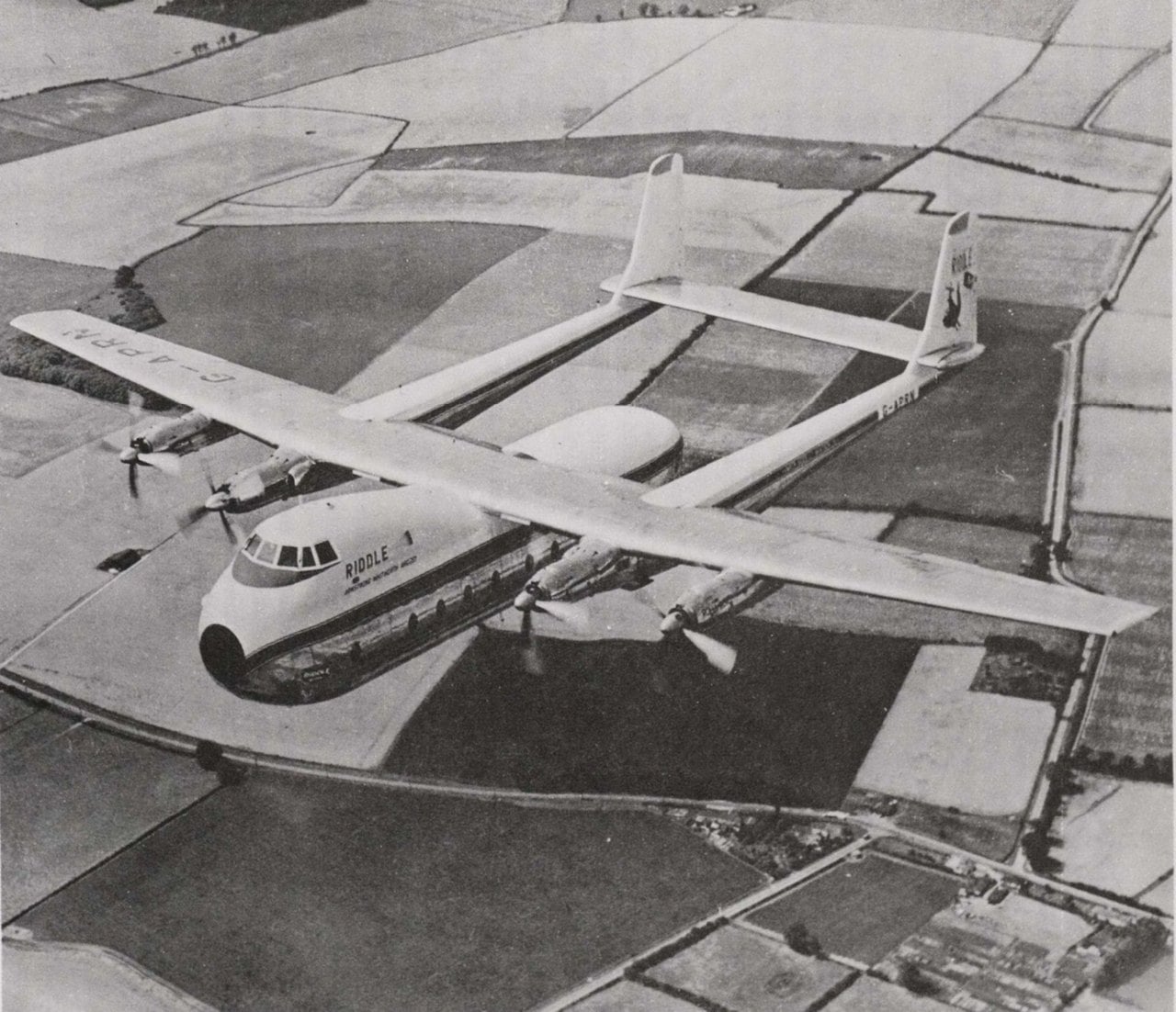
Known for its pod-shaped fuselage and twin tail booms, the aircraft earned the enduring nickname “the Whistling Wheelbarrow,” according to MiGFlug.
The aircraft’s design originated from a 1955 Air Ministry requirement for a medium-range military freighter.
While the company’s initial twin-engined concept failed to secure funding, Armstrong Whitworth proceeded with the AW.650 as a private venture, designing it for the European and American short-haul freight markets. The first civil version completed its maiden flight on January 8, 1959.
| Argosy Variant | Role | Primary User |
|---|---|---|
| AW.650 | Civil Freighter | Riddle Airlines, BEA |
| AW.660 (C.1) | Military Transport | Royal Air Force |
The Royal Air Force eventually committed to the program, ordering the AW.660 military variant to replace its aging Vickers Valetta and Handley Page Hastings fleets. The military version featured a strengthened floor, side doors for paratroopers, and rear clamshell doors with a built-in loading ramp. The first RAF Argosy took flight on March 4, 1961, and the service ultimately acquired 56 of the 73 total aircraft built by the Coventry-based manufacturer, MiGFlug reported.
RAF squadrons deployed the Argosy globally, including operations in Aden, Singapore, Cyprus, and the Radfan mountains. In November 1967, the aircraft facilitated the British withdrawal from Aden, transporting the final staff from the Al-Mansura prison to Bahrain. Despite its utility, the platform faced criticism regarding its maneuverability in confined spaces, such as the jungle valleys of Borneo.
“They made several attempts to use the Argosy, but it just didn’t have the necessary manoeuvrability, so they went back to using the Beverley,” Air Vice-Marshal John Price told the Royal Air Force Historical Society during a 2000 seminar.
Crews frequently joked about the aircraft’s performance limitations, though some personnel defended its technical capabilities. “It was always the butt of snide comments about its inability to ‘carry a verbal message from Singapore to Changi’ and so on,” Group Captain Richard Bates said at the same seminar.
Bates argued that the aircraft provided advanced radio equipment that improved training for hundreds of aircrew members.
The introduction of the Lockheed C-130 Hercules in 1967 ended the Argosy’s primary transport role. By the mid-1970s, the RAF had largely retired the type, though a small number of E.1 calibration aircraft remained in service until 1978. The final Argosy flight for the New Zealand-based operator SAFE Air occurred in September 1990.