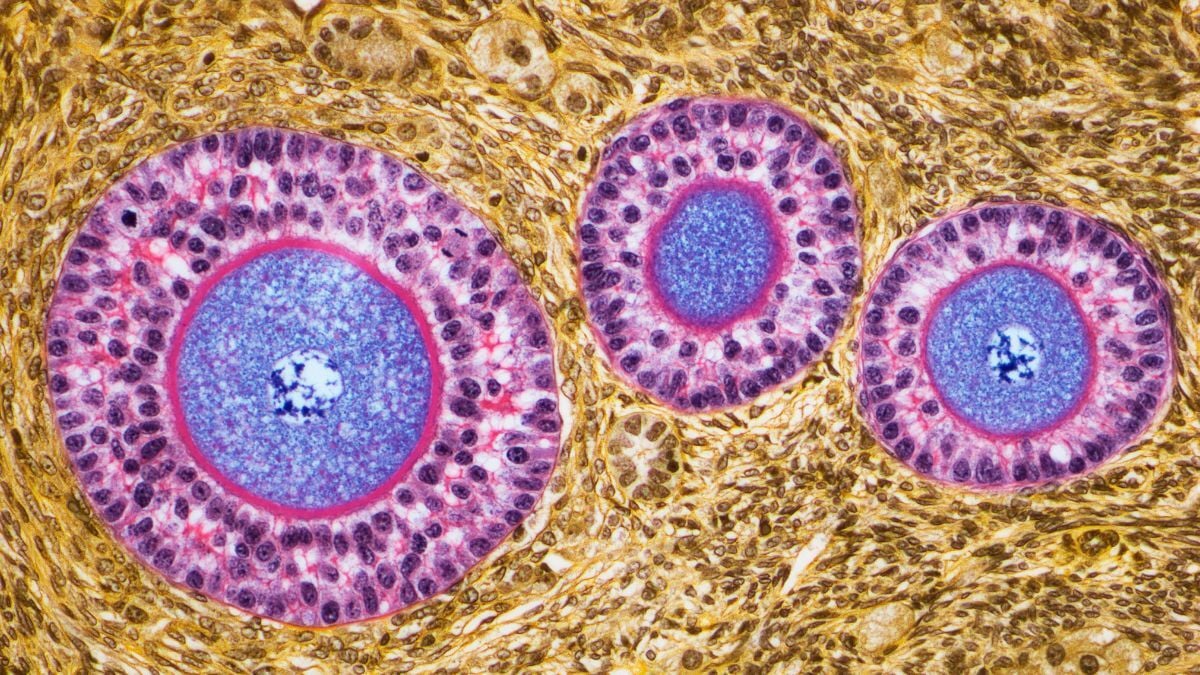
The Amazing New Role of Ovaries After Menopause
Postmenopausal ovaries may transition from reproductive organs into active components of the immune system, according to research highlighted by ScienceAlert and India Today. This biological shift suggests that the ovaries continue to provide systemic health benefits long after the cessation of ovulation, potentially influencing how the body manages inflammation and immune responses in older age.
- Immune Adaptation: Postmenopausal ovaries appear to adopt a secondary role in immunity rather than becoming entirely dormant.
- Aging Process: Ovarian remodeling begins well before the official end of reproductive function, altering the organ’s cellular architecture.
- Clinical Potential: Understanding this transition could lead to new therapies for age-related immune decline and inflammatory diseases.
The traditional medical consensus viewed the menopause transition as a period of primary organ decline, where the depletion of follicles led to a loss of endocrine function. However, recent findings published via ScienceAlert indicate a more complex pathogenesis. The ovaries do not simply atrophy; they undergo a functional reprogramming. This shift involves the recruitment of specific immune cells and the alteration of the ovarian microenvironment, effectively turning the organ into a site for immune regulation.
This biological pivot addresses a critical clinical gap in geriatric medicine: the “immunosenescence” or the natural decline of the immune system with age. If the ovaries maintain a role in immune surveillance, they may serve as a reservoir for cells that modulate systemic inflammation. For women experiencing complex autoimmune transitions during menopause, this discovery underscores the need for integrated care. Patients are encouraged to consult with healthcare providers to monitor how hormonal shifts intersect with immune health.
How the Ovarian Microenvironment Changes After Menopause
The transition is not an abrupt event but a gradual remodeling process. According to research reported by Medical Xpress, aging reshapes the ovary long before reproductive function officially ends. This process involves changes in the stromal tissue and the vascular network, which support the arrival of new cell types. The result is an organ that may function more like a lymphoid tissue than a gonad.
This research is supported by high-level academic funding, including an ERC Advanced Grant dedicated to investigating the mechanisms of ovarian aging at Universiteit Leiden. By mapping the cellular changes in the ovary, researchers aim to identify the specific signals that trigger this “second role.” The study of these mechanisms is vital for developing standards of care that go beyond simple hormone replacement therapy (HRT) to address the broader systemic impact of ovarian aging.
According to analysis provided by India Today, the discovery that ovaries may take on a new immunity role after menopause suggests these organs maintain a functional role in the immune system after the reproductive years.
What are the Implications for Long-Term Health?
The shift toward an immune-centric role may have significant implications for the morbidity associated with aging. When the ovaries transition, they may influence the production of cytokines—small proteins that signal the immune system to act. This could either protect the body against certain infections or, if dysregulated, contribute to chronic low-grade inflammation often seen in metabolic syndrome.
From a B2B healthcare perspective, this evolution in understanding necessitates a shift in diagnostic protocols. Laboratories and diagnostic centers specializing in immunology may need to integrate ovarian biomarkers into their aging panels to better track immune health. Pharmaceutical companies are likely to view this as a new target for “senolytic” drugs—treatments designed to clear aged cells and restore organ function. To ensure these new therapies meet strict regulatory standards, many firms are currently engaging legal experts to navigate the evolving FDA and EMA frameworks for age-related regenerative medicine.
Comparing Reproductive Decline vs. Immune Adaptation
The distinction between the loss of reproductive capacity and the gain of immune function is a critical nuance in this research. While the primary follicles disappear, the supporting architecture remains active.
| Feature | Reproductive Phase | Postmenopausal Phase |
|---|---|---|
| Primary Function | Oocyte production & Estrogen secretion | Immune regulation & Surveillance |
| Cellular Focus | Follicular development | Stromal remodeling & Immune cell recruitment |
| Clinical Impact | Fertility and menstrual cycle | Systemic inflammation & Age-related immunity |
This contrast suggests that the “failure” of the ovary is actually a transition. The biological cost of losing fertility may be offset by a new mechanism of systemic protection. However, the efficacy of this second role varies significantly between individuals, likely influenced by genetics and lifestyle factors.
The current state of research is moving from observational data to mechanistic understanding. The work funded by the ERC Advanced Grant at Universiteit Leiden is essential for identifying the molecular “switches” that allow the ovary to pivot its function. If these switches can be modulated, clinicians might be able to enhance the immune-protective qualities of the postmenopausal ovary.

For women navigating the complexities of the menopausal transition, it is no longer sufficient to treat symptoms like hot flashes in isolation. The systemic nature of this change—affecting everything from bone density to immune response—requires a multidisciplinary approach. It is highly recommended that patients seek guidance from health clinics that combine endocrinology with immunology to optimize long-term health outcomes.
As the scientific community further maps the “second life” of the ovaries, the focus will likely shift toward how this immune role interacts with other aging organs, such as the thymus. This holistic view of aging will likely redefine the standard of care for women in their 50s and beyond, moving from a model of “deficiency” to one of “adaptation.” Future breakthroughs will depend on continued funding and the willingness of the medical establishment to view the postmenopausal body not as a site of loss, but as a site of ongoing biological evolution.
Disclaimer: The information provided in this article is for educational and scientific communication purposes only and does not constitute medical advice. Always consult with a qualified healthcare provider regarding any medical condition, diagnosis, or treatment plan.