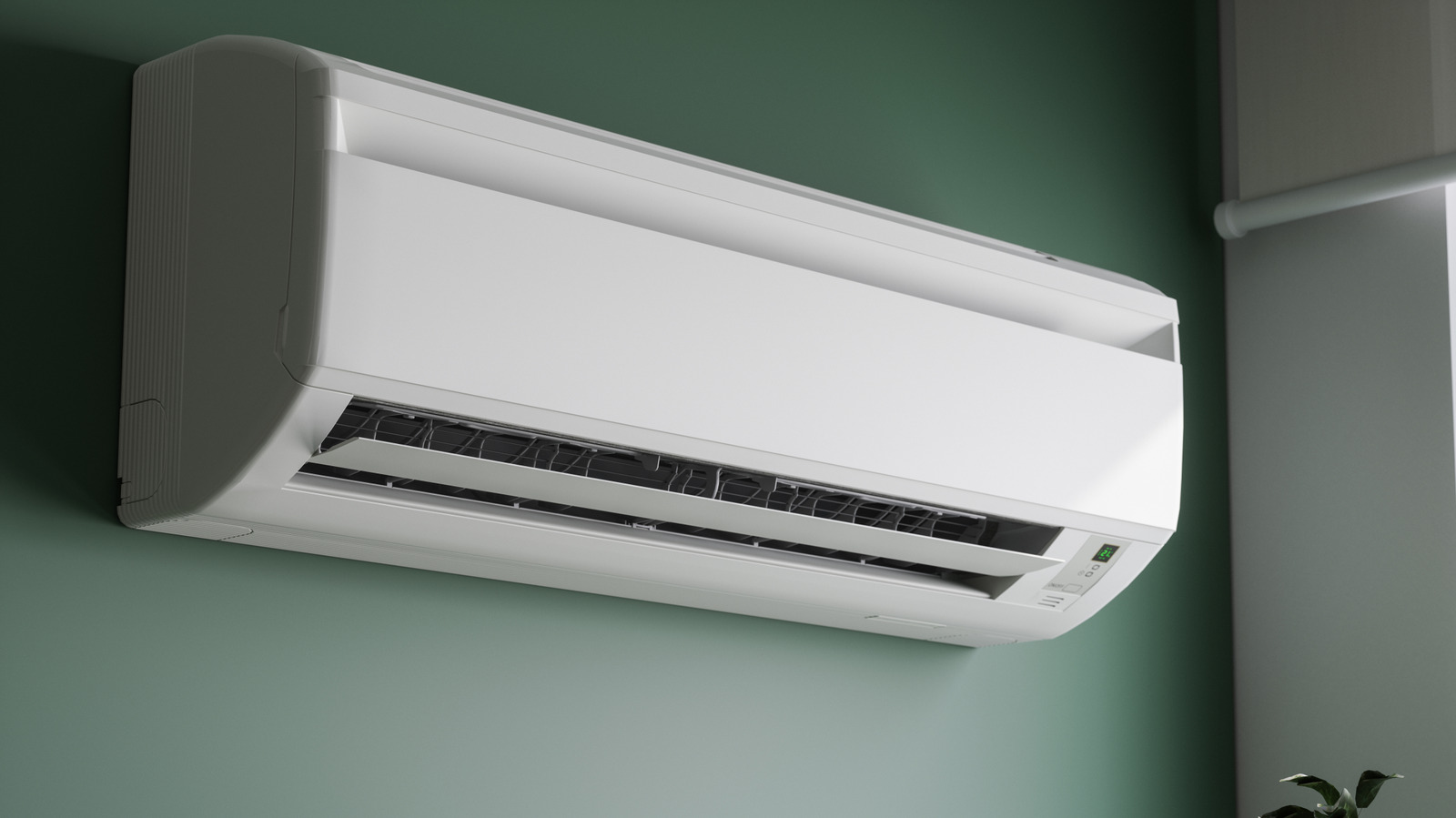
The AC 3-Minute Rule: Why It Matters for Your System
The 3-Minute Rule: Thermal Management and Compressor Longevity
The “3-minute rule” for air conditioning units is a critical hardware protection protocol designed to prevent compressor failure by ensuring the system reaches pressure equilibrium before initiating a high-torque restart. When an AC unit cycles off, the refrigerant pressure between the high-side and low-side remains unequal; attempting to restart the motor against this differential can cause a locked-rotor condition, leading to catastrophic thermal runaway or winding burnout.
The Tech TL;DR:
- Mechanical Protection: The 3-minute delay allows refrigerant pressures to equalize, preventing the compressor motor from stalling under excessive load.
- System Reliability: Bypassing this delay—often found in legacy thermostats—significantly increases the probability of capacitor failure and winding insulation degradation.
- Modern Integration: Smart thermostats and modern HVAC controllers now handle this timing at the firmware level, abstracting the complexity away from the end user.
Thermodynamics and the Locked-Rotor Condition
In standard vapor-compression refrigeration cycles, the compressor acts as the system’s heart, pumping refrigerant through a high-pressure discharge line and receiving it from a low-pressure suction line. According to ASHRAE (American Society of Heating, Refrigerating and Air-Conditioning Engineers) technical standards, the compressor requires a specific duration to bleed off high-side pressure through the expansion device back to the low side.

If the system initiates a restart before this equalization, the motor must overcome a massive torque requirement. If the motor fails to reach nominal RPM within milliseconds, the current draw spikes to the Locked-Rotor Amperage (LRA), which is often 5 to 7 times higher than the Running Load Amperage (RLA). This rapid heat generation can compromise the internal motor windings.
Firmware-Level Implementation and Logic
Modern HVAC control boards utilize an internal timer to enforce this lockout. Even if a smart thermostat sends a “call for cooling” signal, the control board’s logic gate will hold the contactor open until the timer threshold is satisfied. Developers working with modern smart-home protocols or custom automation scripts must be aware of this abstraction.
For those managing custom home automation systems using platforms like Home Assistant or ESPHome, you must ensure your logic does not force a rapid power-cycle. Below is a conceptual example of how to implement a safety delay in a custom control script:
# Pseudo-code for anti-short cycle logic

if (call_for_cooling == true) {

  if (current_time - last_off_time > 180) {

    activate_compressor();

  } else {

    log("Safety delay active: Waiting for pressure equalization");

  }

}
If your current hardware lacks this logic, you may be facing premature equipment failure. In such cases, it is essential to consult with a professional HVAC systems engineering firm to audit your control board or update your thermostat firmware to a version that enforces standard anti-short cycle protocols.
Hardware Spec Comparison: Compressor Protection
Different HVAC architectures handle pressure equalization with varying degrees of efficiency. The following table contrasts standard residential units against modern inverter-driven systems:
| Feature | Standard On/Off Compressor | Inverter-Driven Compressor |
|---|---|---|
| Startup Torque | High (Requires hard-start kits) | Variable (Soft-start) |
| 3-Minute Rule | Mandatory (Physical protection) | Electronic (Managed by VFD) |
| Thermal Risk | High (Winding burnout) | Low (Active monitoring) |
While inverter systems provide smoother operation, they are not immune to power-quality issues. If you are experiencing frequent unit resets, it is advisable to contract a power quality and electrical diagnostics firm to verify that voltage fluctuations are not triggering unnecessary shutdowns that force the 3-minute timer to restart repeatedly.
The Path Forward for HVAC Automation
As the industry moves toward tighter integration with smart grids and demand-response programs, the 3-minute rule remains a non-negotiable constant. While software-defined cooling allows for more granular control, the physics of gas compression remain immutable. Future architectures will likely shift toward more sophisticated sensor arrays that monitor pressure differential directly, rather than relying on a blind 180-second timer.
For enterprise-level facilities or high-density residential deployments, keeping these systems within their operational parameters is a matter of both CAPEX preservation and energy efficiency. When upgrading or auditing your infrastructure, ensure that your chosen building automation integration firm is prioritizing hardware-level safety protocols over purely software-based optimization.
Disclaimer: The technical analyses and security protocols detailed in this article are for informational purposes only. Always consult with certified IT and cybersecurity professionals before altering enterprise networks or handling sensitive data.