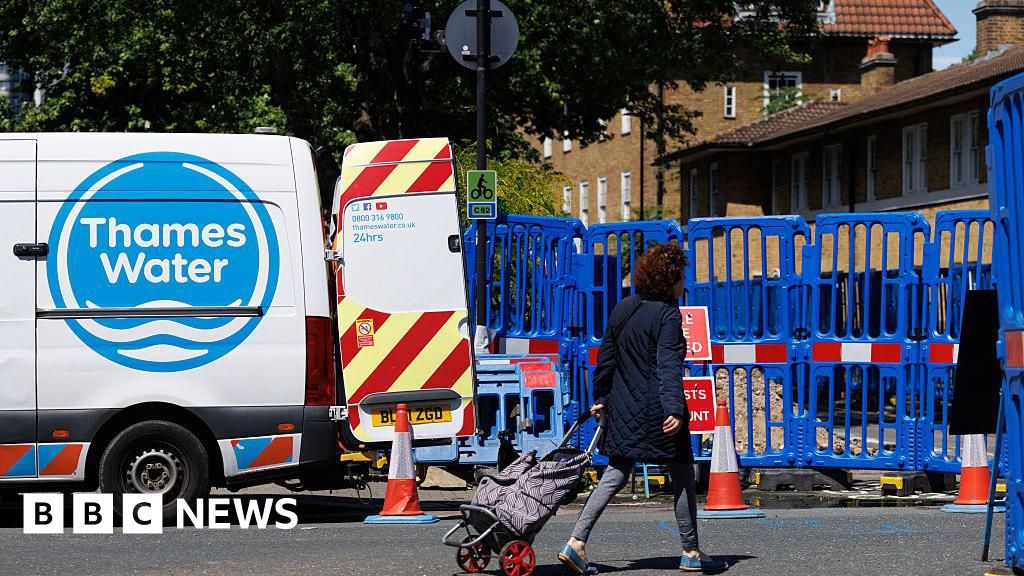
Thames Water Returns to Profit After Raising Bills
Thames Water has returned to profit for the year ending March 31, 2026, reporting a pre-tax profit of £149 million. This turnaround follows a period of financial distress and the implementation of significant bill increases for customers. The utility firm continues to grapple with a £16 billion debt pile while seeking urgent capital injections from shareholders to fund critical infrastructure upgrades.
Financial Recovery Amidst Regulatory Pressure
The utility’s return to the black represents a notable shift from the previous year’s losses, driven primarily by an increase in customer billing that took effect across its service area. According to the company’s annual report and financial statements, the revenue boost was essential to offset high operational costs and the servicing of its massive debt obligations. Despite the profit, the firm’s underlying liquidity position remains fragile, necessitating a delicate balance between capital expenditure requirements and the demands of its creditors.
For institutional investors, the numbers underscore the volatility inherent in regulated asset bases when infrastructure maintenance costs escalate. The company is currently engaged in complex negotiations with the regulator, Ofwat, regarding future price limits. Firms facing similar capital-intensive challenges often engage specialized corporate restructuring advisors to navigate the intersection of regulatory compliance and debt sustainability.
Infrastructure Resilience and the Capital Expenditure Gap
Thames Water’s ability to maintain service levels while managing a legacy network of Victorian-era pipes remains the core operational risk. The utility has signaled a requirement for billions in additional equity to modernize its sewage and water treatment facilities. This requirement has triggered a search for new investors willing to stomach the regulatory uncertainty and long-term investment horizon.
When capital structures are pushed to their limits, the reliance on technical due diligence becomes paramount. Asset-heavy utilities frequently utilize independent engineering audit firms to verify the state of aging infrastructure before finalizing long-term financing rounds or equity dilutions.
Boardroom Strategy and Shareholder Relations
The board is now under immense pressure to demonstrate operational efficiency to both the public and the regulator. The shift toward profitability is viewed by analysts as a necessary step to stabilize the company’s credit rating, which has been under consistent downward pressure. A failure to secure further funding could force the government to consider a “Special Administration Regime,” a prospect that keeps both the board and the debt markets in a state of high alert.
Managing this level of stakeholder complexity requires sophisticated corporate communication and legal oversight. Utilities navigating these crises often rely on tier-one corporate law firms to handle the nuances of insolvency law and regulatory litigation.
Market Trajectory and Future Capital Requirements
The path forward for Thames Water is contingent on the outcome of the upcoming regulatory price review. Investors are monitoring the “allowed return” on capital, which will dictate the firm’s ability to attract private equity or pension fund interest. As the sector faces a broader need for systemic upgrades, the cost of capital is expected to remain a primary constraint for all major water providers.
For market participants, the situation serves as a bellwether for the UK utility sector. As the industry recalibrates its business models to meet stricter environmental targets, the demand for forensic accounting and strategic financial planning will intensify. Organizations seeking to manage risks in highly regulated industries should consult the World Today News Directory to identify vetted partners capable of executing high-stakes financial turnarounds and infrastructure project management.