
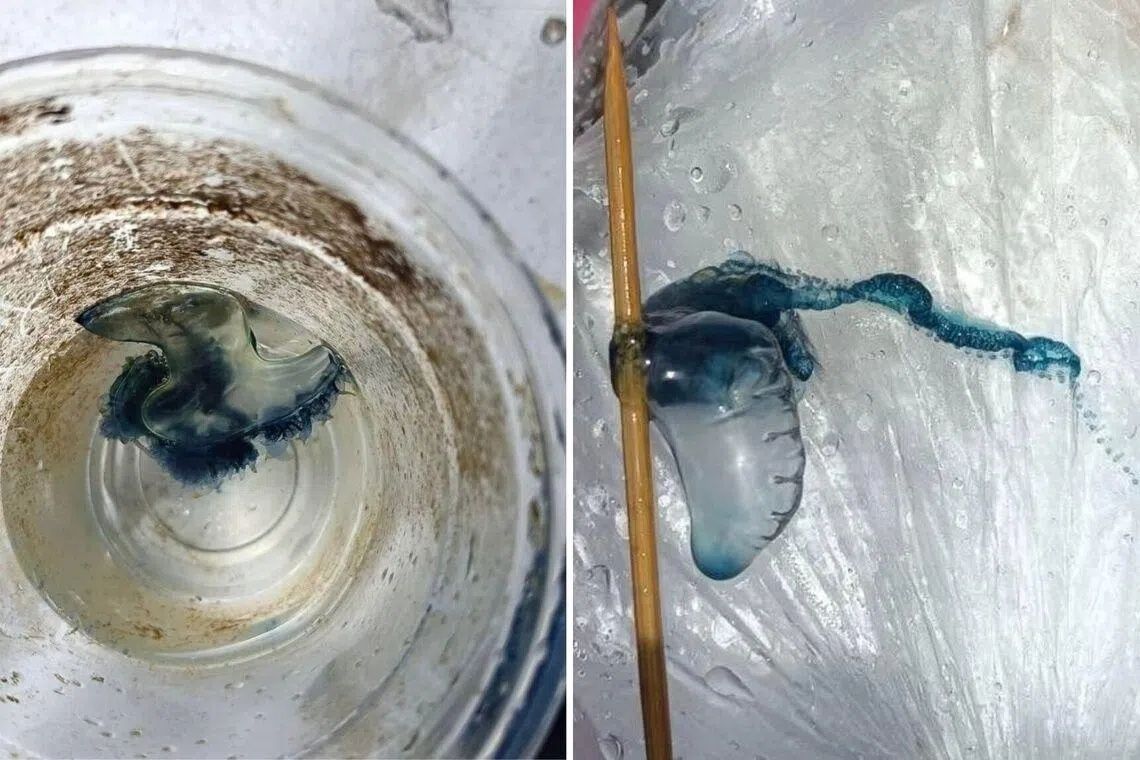
Thailand Issues Beach Warnings Over Venomous Portuguese Man O’ War Sightings
Thailand’s Krabi province has banned swimming in two national parks—Ao Phang Nga and Ao Nang—after a surge of venomous Portuguese man o’ war jellyfish washed ashore, posing severe health risks. The ban, effective immediately, reflects a broader regional crisis as similar warnings spread to Phuket and Phang Nga. With tourism accounting for 12% of Thailand’s GDP, the shutdown threatens livelihoods while exposing gaps in coastal safety infrastructure.
Why This Matters: A Perfect Storm of Tourism and Public Health
The Portuguese man o’ war, often mistaken for a jellyfish, delivers a venomous sting capable of causing excruciating pain, skin necrosis, and systemic reactions requiring hospitalization. Krabi’s decision follows weeks of sightings along Thailand’s Andaman coast, where monsoon currents have concentrated the creatures near popular dive and snorkeling sites. The ban forces a reckoning: How does a destination built on marine tourism balance visitor safety with economic survival?
“This isn’t just about closing beaches—it’s about rebuilding trust. Tourists won’t return if they fear hidden dangers beneath the surface.” — Krabi Provincial Governor, speaking to local media
The Ripple Effect: Economic and Ecological Fallout
Krabi’s tourism sector employs over 200,000 people, with Ao Phang Nga alone generating an estimated $800 million annually in revenue. The ban triggers a cascade:

- Short-term losses: Boat charters, dive operators, and beachfront hotels face immediate cancellations. Small businesses in Ao Nang, where 60% of tourism is marine-based, report 30–50% drops in bookings within 48 hours.
- Long-term reputational damage: Thailand’s Tourism Authority warns that unchecked jellyfish incidents could deter visitors, mirroring Australia’s 2023 Great Barrier Reef crisis, where tourism plummeted 15% post-sting-related closures.
- Ecological uncertainty: Marine biologists cite climate change as a driver, with warmer waters expanding the range of venomous species. Krabi’s Department of National Parks has yet to confirm whether this is a seasonal spike or a permanent shift.
Local Responses: Who’s Stepping Up?
The crisis has galvanized both government and private sectors. Key actions:
- Municipal enforcement: Krabi’s Provincial Police have deployed rangers to patrol restricted zones, with fines up to 50,000 THB ($1,400) for violations. “We’re treating this like a wildfire—containment first, then cleanup,” said a senior officer.
- Tourism adaptation: Operators are pivoting to land-based activities. In nearby Phuket, certified eco-tourism guides are offering jungle treks and cultural workshops, though demand remains volatile.
- Healthcare strain: Krabi’s hospitals report a 40% increase in venomous sting cases this month. The Ministry of Public Health has dispatched antivenom supplies but warns rural clinics lack training for severe reactions.
The Bigger Picture: Thailand’s Coastal Vulnerability
This isn’t Krabi’s first jellyfish crisis. In 2024, Phuket faced similar bans after box jellyfish sightings, costing the region $120 million in lost revenue. Yet systemic solutions remain elusive. Thailand’s coastal management strategy, last updated in 2020, lacks dedicated funding for marine hazard monitoring. Experts argue for:
- A national venomous species database, shared across provinces.
- Mandatory antivenom training for lifeguards and boat crews.
- Partnerships with marine conservation firms to study long-term ecological shifts.
“We’re treating symptoms, not the disease. Without data, we’re flying blind every monsoon season.” — Dr. Suparb Chansiri, Marine Biologist, Chulalongkorn University
What’s Next? A Three-Phase Recovery Plan
| Phase | Timeline | Key Actions | Directory Solutions |
|---|---|---|---|
| Immediate (0–30 days) | June–July 2026 |
|
|
| Short-term (3–6 months) | August–December 2026 |
|
|
| Long-term (6–12 months) | 2027 |
|
|
The Unseen Cost: Small Businesses on the Brink
For operators like 42-year-old Somchai, who runs a dive shop in Ao Nang, the ban is a death sentence. “We’ve spent 20 years building this business. Now, we’re watching it drown—not from the ocean, but from red tape.” His story is echoed across Thailand’s coastal towns, where micro-businesses lack the capital to weather prolonged closures. The Small Business Administration of Thailand has pledged emergency loans, but approvals are slow, and many applicants lack collateral.
This crisis exposes a harsh truth: Thailand’s tourism economy is a house of cards. One environmental shock can collapse decades of growth. The question now isn’t just how to reopen the beaches, but how to rebuild an industry that’s become dangerously dependent on a single, fragile asset—the ocean.
Final Thought: As jellyfish stings become the new normal, Thailand’s coastal communities need more than temporary fixes. They need a comprehensive resilience strategy—one that bridges public health, economic stability, and ecological foresight. The time to act is now, before the next wave hits.