
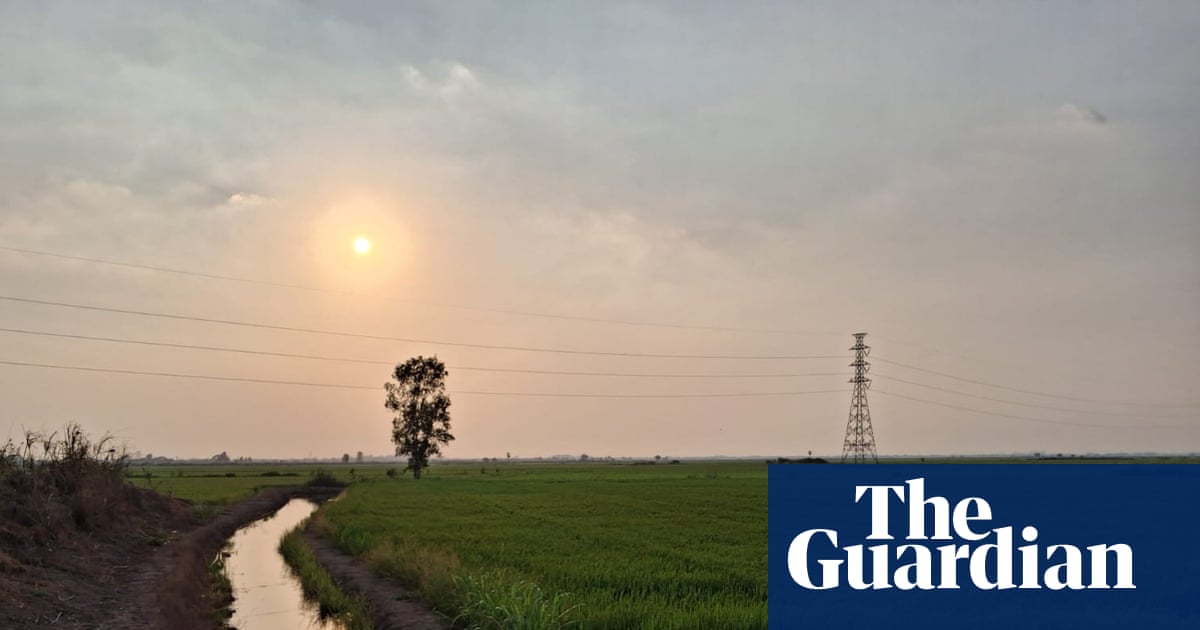
Thailand Fuel Crisis: War in Iran Impacts Farmers & Food Supply
Thailand’s agricultural sector faces an acute liquidity crisis as diesel shortages and a 30% price surge, triggered by the US-Israel conflict in Iran, threaten the Q2 rice harvest. With fertilizer costs projected to spike further, the fiscal gap between input costs and export margins is widening, forcing a rapid re-evaluation of supply chain resilience and hedging strategies across Southeast Asia’s agribusiness landscape.
Thanadet Traiyot is not just waiting for fuel. he is waiting for solvency. Standing in the dust of an Ayutthaya gas station, the rice farmer represents a microcosm of a macro-economic failure. The queue for diesel is a physical manifestation of a broken supply chain, where the geopolitical friction in the Persian Gulf has severed the energy lifeline for one of the world’s top rice exporters. This is no longer a logistical inconvenience; It’s a balance sheet emergency.
The fiscal problem is stark. When energy inputs consume 40% of operational expenditure, margins evaporate. For the thousands of small-to-mid-cap agribusinesses in the Chao Phraya basin, the sudden removal of government subsidies has exposed a critical lack of financial insulation. The market is reacting violently to the shock, but the real story lies in the structural vulnerability of the supply chain. This event creates an immediate demand for B2B intervention, specifically from Supply Chain Logistics Firms capable of rerouting distribution networks and Commodity Hedging Specialists who can lock in futures to protect against further volatility.
The Energy-Food Nexus: A Correlation Breakdown
The linkage between crude oil and agricultural output is often treated as theoretical until the pump runs dry. In Thailand, the correlation is absolute. The jump in diesel prices from 29.94 to 38.94 baht per litre is not an isolated inflation metric; it is a leading indicator for the cost of food production. Fertilizer, heavily dependent on natural gas and oil for synthesis and transport, is the next domino to fall.
According to the Q1 2026 Global Agri-Commodities Report released by the International Food Policy Research Institute, the price elasticity of demand for nitrogen-based fertilizers in Southeast Asia has reached a critical threshold. With the Persian Gulf—a hub for 30% of global urea exports—under direct threat, input costs for the upcoming May planting season are projected to rise by an additional 22%. This creates a margin compression event that traditional banking models are ill-equipped to handle without specialized risk mitigation.
For corporate entities managing large-scale farming operations, the solution lies in diversification. Relying on spot market purchases for fuel and fertilizer is now a speculative gamble. The smart capital is moving toward long-term contracts and alternative energy integration. This shift is driving a surge in consultations with AgriTech Consulting firms that specialize in renewable energy integration for heavy machinery, reducing the exposure to volatile fossil fuel markets.
Strategic Reserves and the Liquidity Trap
Unlike the strategic petroleum reserves maintained by major economies, the fertilizer sector lacks a coordinated global safety net. The UN’s Food and Agriculture Organization has flagged this as a “major shock” vector, yet the market response has been fragmented. In Thailand, the government’s 100-day energy reserve claim is being tested daily, with “out of stock” signs appearing at an alarming rate.
This scarcity creates a liquidity trap for farmers. Cash flow is tied up in inventory hunting rather than yield optimization. The inability to secure diesel means water pumps sit idle, directly threatening the crop yield. If the harvest fails, the ripple effect extends to the export market, where Thailand competes with Vietnam and India for market share. A drop in volume now could mean a permanent loss of contracts later.
“We are seeing a decoupling of traditional risk models. The geopolitical premium on energy is no longer a line item; it is the defining variable of the fiscal year. Companies that do not have a dedicated risk management partner are effectively flying blind.”
— Elena Rostova, Chief Investment Officer, Horizon Capital Asia
The absence of strategic reserves forces private entities to build their own buffers. This requires capital expenditure that many smallholders do not possess. Here, the role of institutional finance becomes critical. Lenders and private equity firms are beginning to view energy resilience as a primary credit metric. A farm without a fuel security plan is a high-risk asset. We are seeing a rise in structured finance deals where fuel storage infrastructure is collateralized against future harvest yields.
The Hedging Gap: Financial Instruments for Physical Assets
The most glaring vulnerability in this crisis is the lack of access to financial derivatives for the end-user. While multinational conglomerates can hedge their fuel exposure on the Chicago Mercantile Exchange, the average Thai rice farmer cannot. This disparity creates an arbitrage opportunity for B2B service providers. Aggregators and cooperatives are stepping in to act as intermediaries, pooling resources to purchase futures contracts on behalf of their members.

However, the complexity of these instruments requires sophisticated advisory. The “evergreen corporate” mindset dictates that businesses must look beyond the current quarter. The war in Iran is not a transient event; it is a structural shift in the global energy architecture. Prices will not revert to pre-war levels quickly. The strategy must shift from cost-cutting to cost-structuring.
Three key shifts are reshaping the industry landscape for the next fiscal year:
- Decentralized Energy Storage: Moving away from just-in-time fuel delivery to on-site storage solutions, requiring investment in tank infrastructure and safety compliance services.
- Contractual Renegotiation: Exporters are rewriting force majeure clauses to account for energy-induced supply failures, necessitating legal review by Corporate Law Firms specializing in international trade.
- Yield Insurance: A pivot from standard crop insurance to yield-based products that factor in input cost volatility, protecting the farmer’s margin rather than just the physical crop.
The human cost is visible in the queues at Ayutthaya, but the financial cost is measured in basis points and EBITDA erosion. As the conflict drags on, the distinction between an energy crisis and an agricultural crisis will vanish. They are one and the same. The market is punishing inefficiency and rewarding resilience.
For the directors and CFOs reading this, the directive is clear: audit your energy exposure immediately. The window to secure favorable terms is closing as the panic spreads. Whether through M&A advisory firms to consolidate purchasing power or through specialized logistics partners to secure supply lines, action is required now. The farmers in the paddies are waiting for the rain; the businesses behind them must wait for nothing.