
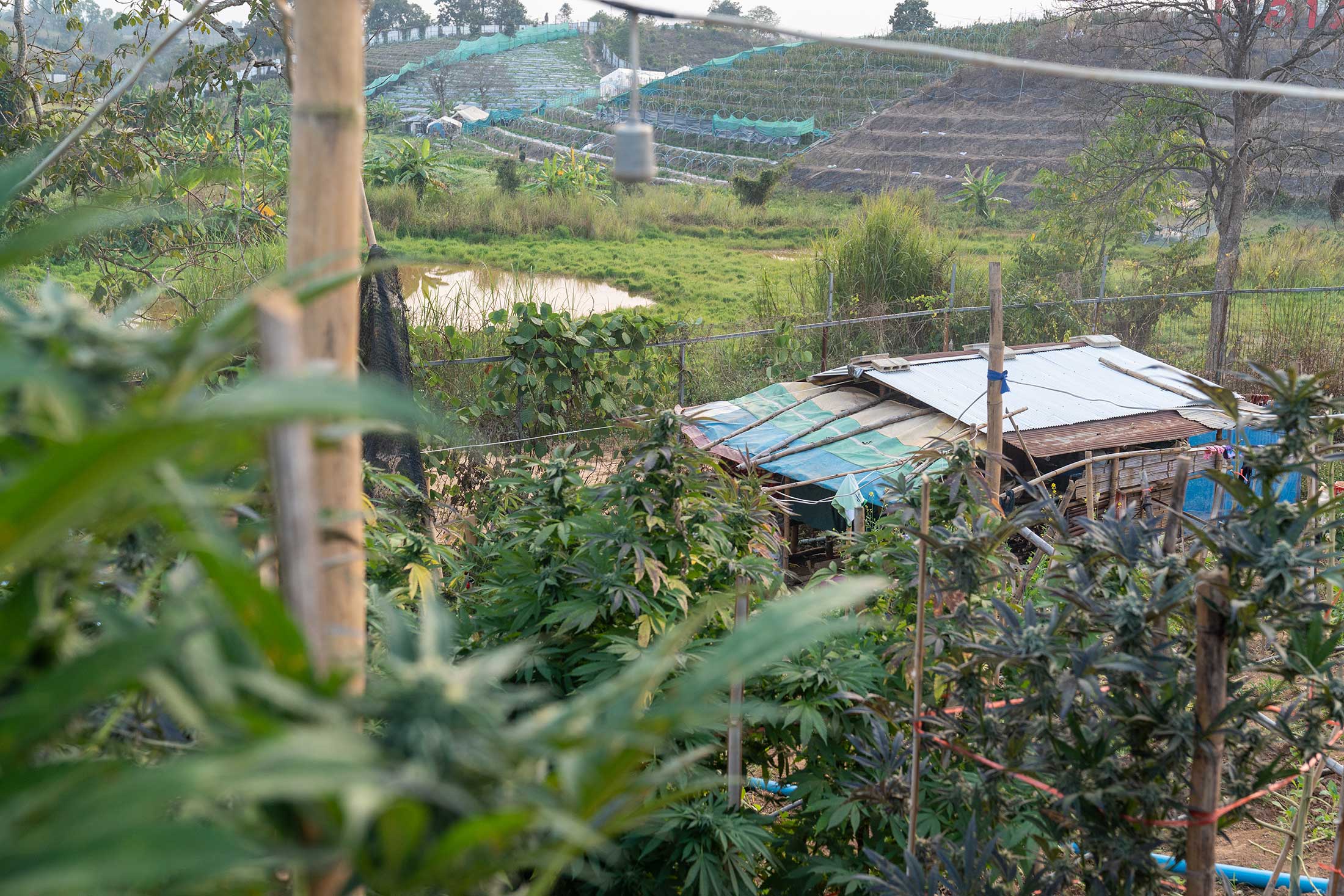
The Thai government‘s recent decision to tighten regulations on cannabis sales and distribution is poised to significantly impact rural communities and the burgeoning cannabis industry. This shift is expected to lead to a decrease in demand and widespread unemployment.Farmers in mountainous regions, notably those from the Hmong community, are concerned about being forced to revert to less profitable and more environmentally damaging crops. Conventional corn cultivation, which often involves burning crop residue after harvest, contributes to air pollution in northern Thailand.
Despite these challenges, Chokwan Kitty Chopaka, president of the cannabis advocacy group Writing Tylands Cannabis Future, remains optimistic that rural communities will continue cultivating cannabis. She expressed hope that the hmong people, who have historically preserved cannabis seeds, will maintain this practice.
