
Redistricting War Escalates as Texas and California Redraw Maps
Table of Contents
- Redistricting War Escalates as Texas and California Redraw Maps
- Texas Republicans Advance Mid-Decade Redistricting
- California Democrats Counter with Their Own Map
- A National Battle for Control
- Impact on the 2026 Elections
- Legal and Constitutional Considerations
- The Push for Nonpartisan Redistricting
- Evergreen Context: the History of Redistricting
- Frequently Asked Questions About Redistricting
AUSTIN, Texas – A contentious battle over congressional representation is intensifying as Texas Republicans move too finalize a mid-decade redrawing of the state’s electoral map, perhaps impacting the 2026 midterm elections. This action has ignited a reciprocal response from California Democrats, setting the stage for a national showdown over political power.
Texas Republicans Advance Mid-Decade Redistricting
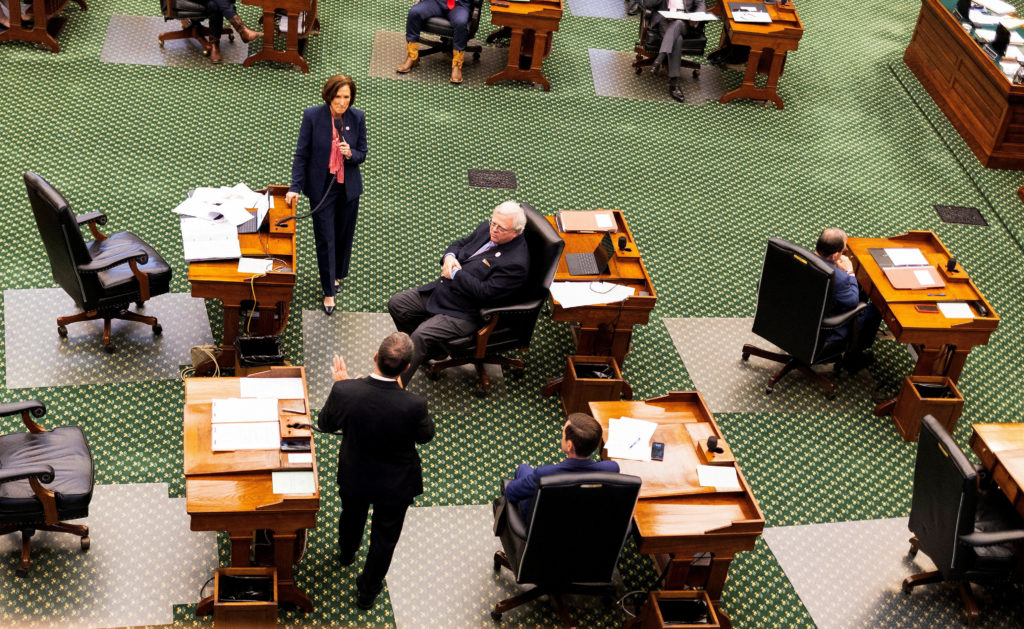
Texas Republicans are poised to send a revised congressional map to Governor Greg Abbott for approval. The proposal, debated in the state Senate, aims to bolster Republican representation in the U.S.House. Democrats have raised concerns about the legality of the map, alleging it violates the Voting Rights Act by diminishing the influence of minority voters-accusations Senator Phil King, the measure’s sponsor, strongly denies.
“I had two goals in mind: That all maps would be legal and would be better for Republican congressional candidates in Texas,” King stated during the Senate debate.
Did You Know? Redistricting is the process of redrawing electoral district boundaries, typically done every ten years after the census, but states can redraw maps at any time, as Texas and California are demonstrating.
California Democrats Counter with Their Own Map
In a swift response, California Democrats have approved legislation to hold a special election in November to adopt a new congressional map. This move is designed to potentially add five Democratic seats to the U.S. House. Unlike Texas, California utilizes a nonpartisan commission for redistricting under normal circumstances, but this instance bypasses that system due to the urgency of countering Texas’s actions.
Governor Gavin Newsom swiftly signed the bill into law, signaling a firm commitment to challenging Texas’s strategy. He characterized the move as a necessary defense against what he termed an “assault on our democracy.”
A National Battle for Control
The reciprocal actions between texas and California mark a significant escalation in what is becoming a national redistricting war. Both parties are openly attempting to manipulate district lines to secure a political advantage ahead of the 2026 midterm elections. President Donald Trump reportedly urged the Texas map revisions to increase the Republican House majority by five seats.
Abbott dismissed California’s efforts as “a joke,” while Newsom pledged a broad campaign to rally support for the proposed map, reaching out to voters across the political spectrum.
Pro Tip: Understanding gerrymandering-the practice of drawing district lines to favor one party-is crucial to understanding the motivations behind these redistricting efforts.
Impact on the 2026 Elections
The Texas redraw is already having tangible effects. Representative Lloyd Doggett,a long-serving Texas Democrat,announced he will not seek reelection if the new map takes effect,as it would pit him against another Democratic incumbent,Representative Greg Casar. Republicans are also encouraging other states, including Indiana, Missouri, and Ohio, to revise their maps for similar gains.
Key Dates and Actions
| State | Action | Date |
|---|---|---|
| Texas | Republicans advance mid-decade redistricting map | August 2025 |
| california | Democrats approve legislation for special election on new map | August 2025 |
| California | Governor newsom signs special election bill | August 2025 |
Legal and Constitutional Considerations
The U.S. Supreme Court has ruled that partisan gerrymandering is not unconstitutional, but using race to redraw district lines is prohibited . Abbott asserted that the Texas map adheres to these guidelines, stating it was “drawn by Republicans for political reasons to assure that Republicans would have better representation in Congress.”
california Republicans have filed a lawsuit and called for a federal investigation, vowing to challenge the new map at the ballot box. Assemblyman James Gallagher, the Republican minority leader, warned that Newsom’s “fight fire with fire” approach could lead to further instability.
The Push for Nonpartisan Redistricting
Advocates for nonpartisan redistricting, like former President Barack Obama, support the establishment of self-reliant commissions to draw district lines. California’s existing commission, championed by Republicans and Democrats in 2008 and 2010, serves as a model for this approach. However,the current situation demonstrates the challenges of implementing such systems when faced with intense partisan pressure.
What role should independent commissions play in ensuring fair representation? And how can states balance political realities with the need for equitable redistricting processes?
Evergreen Context: the History of Redistricting
Redistricting has been a contentious issue in American politics since the early 19th century. The practice of gerrymandering, named after Massachusetts Governor Elbridge Gerry, has been used by both parties to manipulate electoral outcomes. The Supreme Court has repeatedly addressed redistricting cases, but a definitive resolution on partisan gerrymandering remains elusive. The current situation in Texas and California highlights the ongoing struggle to balance political interests with the principles of fair representation.
Frequently Asked Questions About Redistricting
- What is redistricting? Redistricting is the process of redrawing electoral district boundaries to reflect population changes.
- Why is redistricting vital? Redistricting can considerably impact the outcome of elections and the balance of power in government.
- What is gerrymandering? Gerrymandering is the practice of drawing district lines to favor a particular political party or group.
- How often does redistricting occur? Redistricting typically occurs every ten years after the U.S. census, but states can redraw maps at other times.
- what is the role of the Supreme Court in redistricting? The Supreme Court has ruled on several redistricting cases, but has not prohibited partisan gerrymandering.
