
Tesla Cybercab Launch Sparks Federal Probe and Wall Street Slump
Tesla’s rollout of its steering-wheel-free Cybercab robotaxi service in Austin, Texas, has triggered an immediate federal audit by the National Highway Traffic Safety Administration, pushing the electric vehicle manufacturer into a high-stakes regulatory clash over autonomous commercial transit. The service launch on September 4, 2026, coincided with a 6% drop in Tesla stock value as Wall Street digested the vehicle update, according to financial market reporting.
The core fiscal dilemma centers on regulatory compliance versus aggressive market deployment. Tesla’s valuation sits at $1.4 trillion, a figure heavily supported by investor expectations surrounding autonomous software and robotics. Yet, deploying vehicles without manual controls directly challenges decades-old federal motor vehicle safety standards designed exclusively for human-driven cars.
The Regulatory Audit and Federal Safety Standards
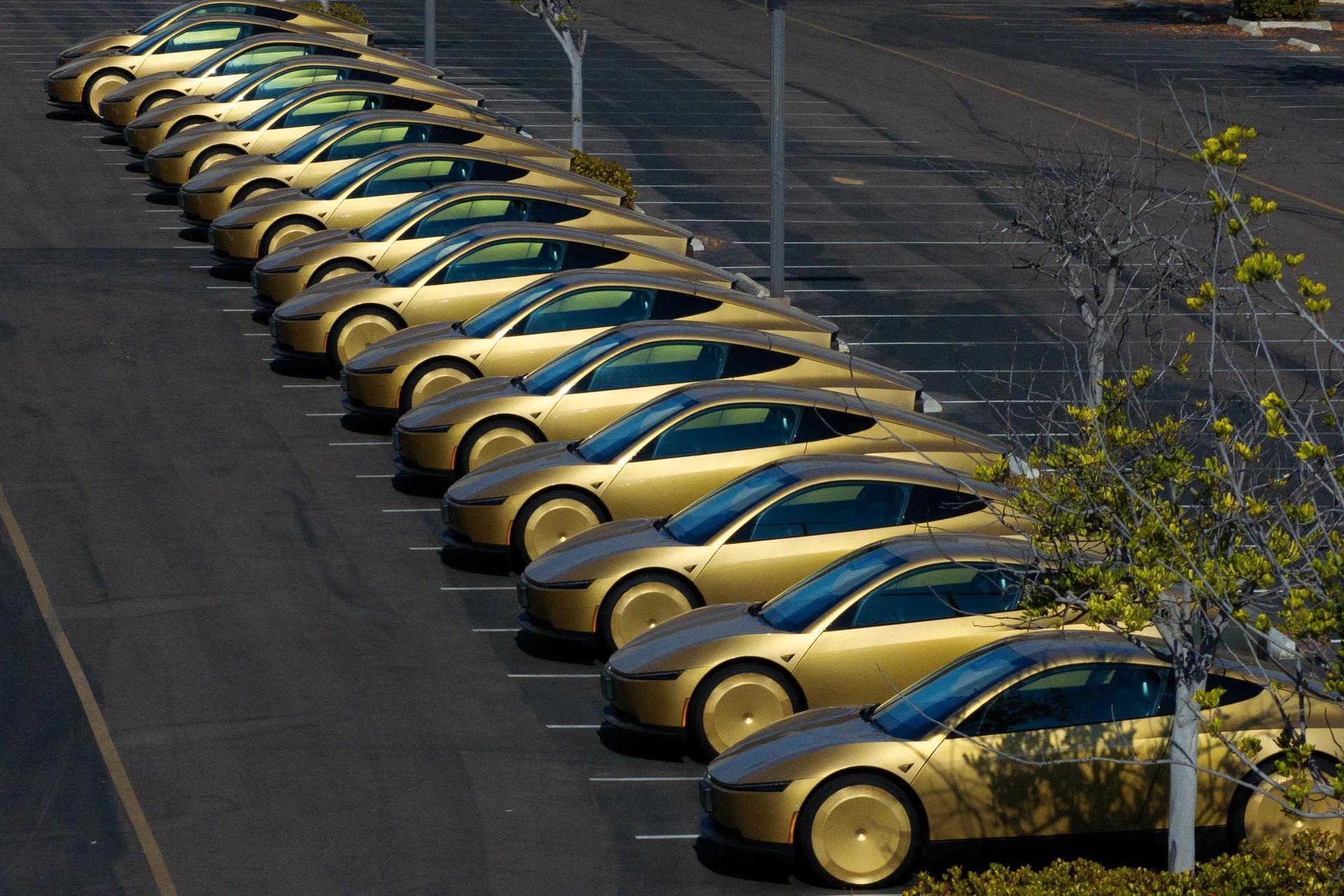
Hours after the downtown Austin launch event, the National Highway Traffic Safety Administration opened an audit of roughly 1,000 Cybercab vehicles. The federal inquiry aims to assess how Tesla determined that the butterfly-door, two-seater vehicles comply with federal safety regulations despite lacking a steering wheel, pedals, or mirrors.
U.S. regulations strictly limit the commercial deployment of vehicles failing to adhere to conventional safety rules. Unlike international jurisdictions requiring pre-launch regulatory clearance, U.S. automakers can deploy new vehicle models by self-certifying compliance.
Michael Brooks, executive director of the consumer advocacy group Center for Auto Safety, noted in source coverage that no reasonable interpretation suggests the Cybercab complies with current Federal Motor Vehicle Safety Standards. Philip Koopman, an engineering professor and autonomous-vehicle safety expert at Carnegie Mellon University, observed that Tesla historically pushes boundaries and could utilize creative regulatory interpretations to flood the market, potentially forcing a multi-year legal battle while operating on public roads.
Software Capabilities and Market Performance
Tesla manufactures the Cybercab following a production start in April, with Elon Musk projecting exponential output growth. The company previously marketed a sub-$30,000 price point during its 2024 unveiling. Prior to the Cybercab release, Tesla introduced a limited paid robotaxi service in Texas and Florida utilizing Model Y SUVs equipped with manual controls and human backup drivers.
While Tesla asserts that its Full Self-Driving software operates up to 10 times safer than human drivers and maintains an accident-free record in Austin, scrutiny remains high. Interviews conducted by Reuters with former Tesla software training employees revealed ongoing struggles with basic maneuvers, leading Bryant Walker Smith, a University of South Carolina law professor specializing in vehicle automation, to state that public data does not indicate Tesla can safely deploy unassisted automated driving systems across wide-ranging conditions.
As corporate legal teams and compliance departments evaluate the fallout of federal audits on equity values, market participants will closely monitor upcoming quarterly filings and compliance disclosures to gauge the financial impact of potential operational restrictions.