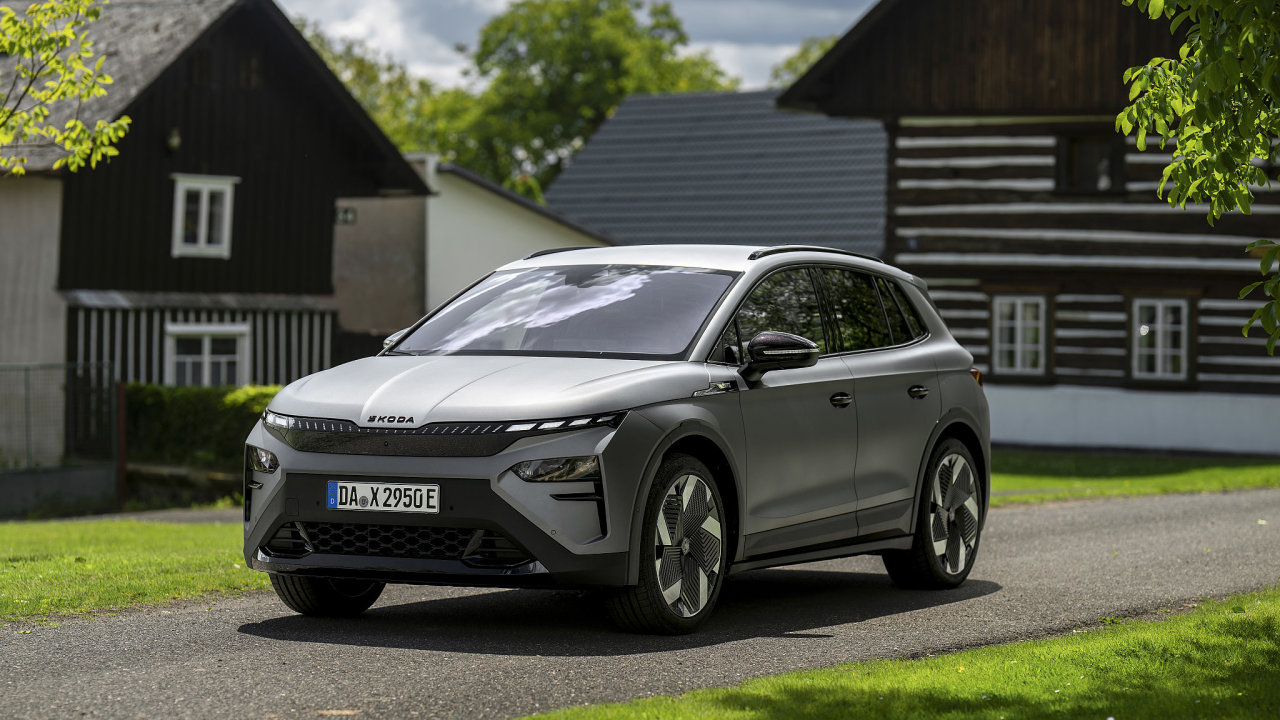
Tesla and Skoda Dominate German EV Subsidies Over Local Brands
The German government’s attempt to catalyze domestic electric vehicle (EV) adoption through federal subsidies has inadvertently fueled a market share surge for foreign and international-model manufacturers. According to data from Hospodářské noviny and recent German federal registration statistics, Tesla and Škoda are capturing a disproportionate share of subsidy-backed purchases, undermining the intended support for German legacy OEMs.
Subsidy Leakage and the Competitive Disadvantage
The core objective of the German environmental bonus (Umweltbonus) was to accelerate the transition to sustainable transport while bolstering the domestic industrial base. Instead, the current market structure reveals a friction point: German consumers are utilizing these fiscal incentives to purchase vehicles that offer superior price-to-performance ratios or faster delivery lead times, often provided by non-domestic production chains.
Per the latest market analysis from the Kraftfahrt-Bundesamt (KBA), the German Federal Motor Transport Authority, Tesla’s Model Y and various Škoda Enyaq configurations have consistently ranked at the top of the registration charts. This trend reflects a classic capital allocation mismatch. While the German state provides the liquidity, the operational agility of Tesla’s Gigafactory Berlin and Škoda’s lean supply chain management—leveraging the Volkswagen Group’s modular electric drive matrix (MEB)—have outperformed the more cumbersome production cycles of other domestic players.
For mid-market suppliers and logistics firms caught in this transition, the challenge is clear: rigid manufacturing processes are losing to software-defined, high-volume production models. Firms struggling to maintain margins amid these shifting preferences often require the assistance of specialized operational restructuring firms to optimize their assembly lines and inventory turnover ratios.
Fiscal Implications for German OEMs
The reliance on government subsidies to move inventory highlights a deeper structural issue within the European automotive sector. When subsidies become the primary driver of demand, manufacturers risk becoming dependent on policy cycles rather than organic product-market fit. As of mid-2026, the cost of capital remains a significant hurdle, and the inability of some domestic firms to achieve economies of scale comparable to Tesla has led to compressed EBITDA margins.
Institutional investors are increasingly wary of companies that cannot sustain profitability without state-funded demand stimulation. According to a recent report on the European automotive outlook by the European Central Bank, the divergence in competitiveness between firms that have successfully pivoted to high-margin EV platforms and those still grappling with internal combustion engine (ICE) sunset costs is widening.
“The market is punishing inefficiency, and subsidies are effectively acting as a temporary bridge for companies that haven’t yet solved their scaling problems,” notes a senior analyst at a major European investment bank. For companies looking to navigate this volatility, engaging with expert corporate legal counsel for M&A or defensive restructuring is becoming a standard operational prerequisite.
Supply Chain Bottlenecks and Market Liquidity
The success of Tesla and Škoda in the German market is not merely a result of pricing; it is a testament to supply chain resilience. While some German brands faced significant semiconductor and component shortages throughout the last fiscal year, those with integrated vertical supply chains managed to maintain higher delivery throughput.
This reality has created a secondary market effect where liquidity is concentrated in the hands of the most efficient producers. As the European market moves toward a more stringent regulatory environment regarding CO2 emissions, the pressure to maintain market share will only intensify. The following table summarizes the strategic shift observed in current market registrations:
| Metric | Market Dynamic |
|---|---|
| Subsidy Capture | High for Tesla/Škoda due to volume availability. |
| EBITDA Pressure | High for legacy OEMs with legacy ICE overhead. |
| Inventory Turnover | Optimized by manufacturers with vertically integrated supply chains. |
The Path Forward: Operational Efficiency
The German government’s subsidy policy, intended to protect local jobs, has evolved into a case study on the unintended consequences of industrial intervention. When fiscal policy does not account for the operational velocity of global competitors, the capital often flows to the most efficient entity, regardless of its country of origin.

For the broader automotive supply chain, the lesson is binary: evolve or face consolidation. Companies that fail to optimize their procurement strategies or integrate advanced digital manufacturing will continue to see their market share eroded by more agile competitors. As the industry approaches the next round of Q3 earnings reporting, the focus will shift from unit sales to profitability per vehicle sold.
Businesses operating within this volatile sector should prioritize audit and risk assessment services to ensure their long-term viability. For those seeking to stabilize their operations, connecting with vetted partners in the World Today News Directory is a critical step in identifying firms that specialize in supply chain resilience and strategic financial management.