
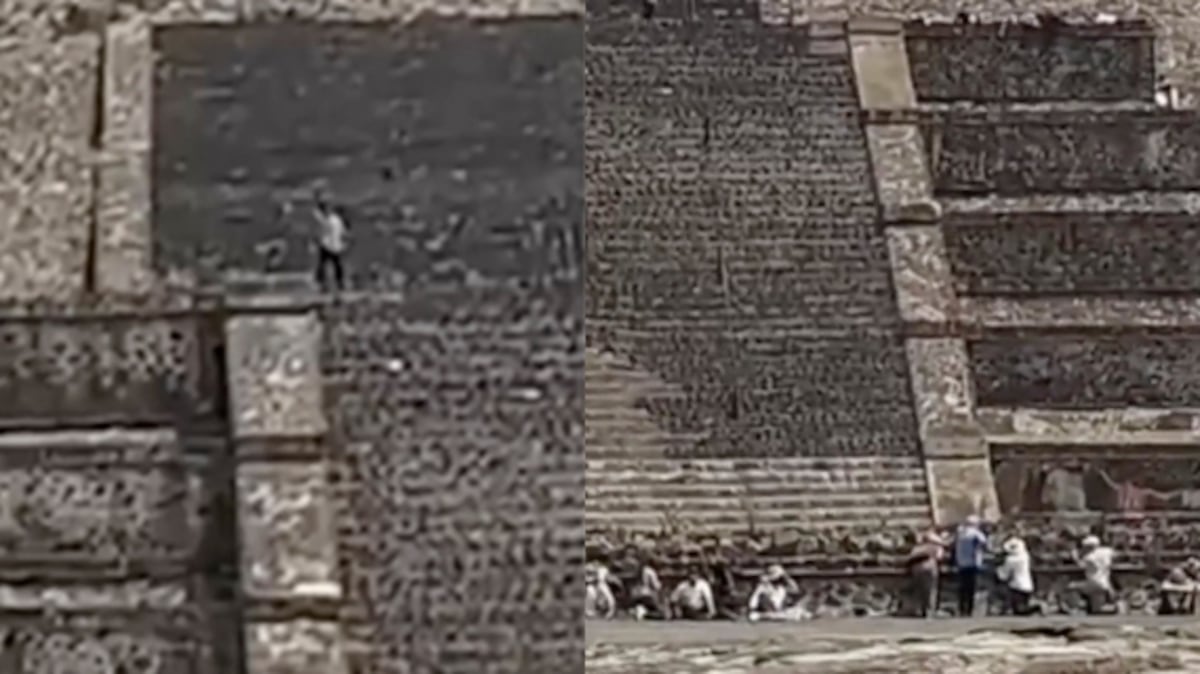
Teotihuacan Shooting: Two Dead, Three Injured
On April 12, 2024, a shooting at the Teotihuacán archaeological zone in the State of Mexico left two people dead and three injured, triggering immediate security concerns at one of Latin America’s most visited cultural heritage sites and raising urgent questions about public safety protocols for major tourist destinations facing rising violence.
The incident occurred around 10:30 a.m. Near the Pyramid of the Sun, where armed individuals opened fire on a group of vendors and tourists before fleeing the scene. State prosecutors confirmed the victims included a local artisan and a tour guide, both residents of San Juan Teotihuacán municipality, while the injured were transported to regional hospitals in San Juan and nearby Teotihuacán de Arista. Initial investigations suggest the attack may be linked to extortion disputes between rival criminal groups vying for control of informal commerce in the area, a growing problem that has plagued the municipality for over a decade despite federal tourism security initiatives.
Teotihuacán, designated a UNESCO World Heritage Site in 1987, typically welcomes over 3 million visitors annually, contributing significantly to the State of Mexico’s tourism economy. However, recent years have seen a steady decline in international arrivals due to perceptions of insecurity, exacerbated by incidents like this shooting. According to data from Mexico’s Secretariat of Tourism, hotel occupancy in the Teotihuacán corridor dropped 22% in Q1 2024 compared to the same period in 2023, directly impacting livelihoods tied to hospitality, guided tours, and artisanal sales—sectors that employ an estimated 60% of the local workforce.
“This isn’t just about one violent act; it’s about the erosion of trust in a place that belongs to all humanity. When vendors fear for their lives selling crafts at the foot of the pyramids, the entire ecosystem of cultural preservation collapses.”
—Marisol Vargas, Director of the Teotihuacán Community Heritage Council, speaking at a municipal emergency meeting on April 13, 2024.
The State of Mexico’s Security Secretariat responded by deploying additional personnel from the State Police and the National Guard to the archaeological zone, establishing temporary checkpoints and increasing surveillance patrols. However, community leaders argue that reactive measures fail to address root causes. “We’ve asked for years for a permanent, coordinated security strategy that includes social programs for at-risk youth,” said municipal councilor Héctor Méndez in an interview with Milenio. “Without economic alternatives, criminal groups will keep exploiting the vacuum.”
Legal experts note that prosecuting such crimes is complicated by jurisdictional overlaps between federal, state, and municipal authorities, particularly when crimes occur within federally protected zones like Teotihuacán. Under Mexico’s General Law on National Cultural Heritage, the Instituto Nacional de Antropología e Historia (INAH) manages the site, but public security remains the responsibility of state and municipal police. This fragmentation often delays investigations and hinders intelligence sharing. Attorneys specializing in municipal law and public safety liability are increasingly consulted by local businesses seeking to understand their rights and options when operating in high-risk zones.
For residents and small business owners affected by the aftermath—whether facing lost income, trauma, or increased insurance premiums—access to vetted support services is critical. Those needing immediate assistance can turn to crisis counseling centers for trauma care, while vendors seeking to recover lost income may consult microfinance advisors familiar with informal economy challenges. Long-term recovery also depends on strengthening local governance, making engagement with municipal planning consultants essential for advocating sustainable safety infrastructure and community-led economic development programs.
As Teotihuacán grapples with the shadow of violence over its ancient stones, the path forward requires more than heightened patrols—it demands a recommitment to the site’s dual role as both a sacred historical monument and a living community. The true measure of recovery will not be found in arrest statistics alone, but in whether mothers can once again send their children to sell handicrafts without fear, and whether visitors return not despite the risks, but because they trust that this place—this shared human legacy—is being protected not just as a tourist attraction, but as a home. For those working to rebuild safety and dignity in Teotihuacán, the World Today News Directory connects you with verified professionals on the ground who understand the unique challenges of securing cultural heritage sites in complex environments.