Telangana Reports 230 Dengue Cases in First Four Months of 2024
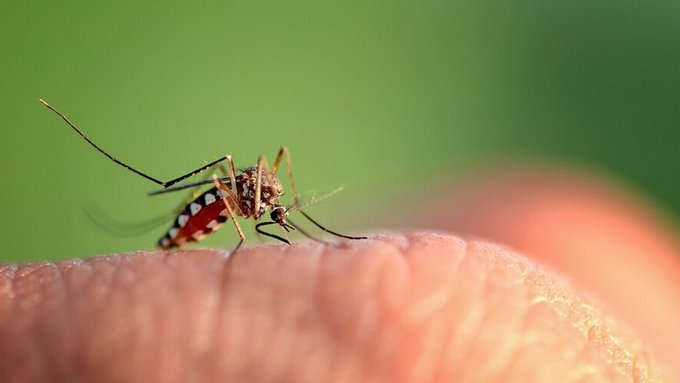
Telangana has recorded 230 confirmed cases of dengue fever over the last four months, according to recent public health surveillance data. This uptick in viral activity follows seasonal monsoon patterns that favor the proliferation of Aedes aegypti mosquitoes, the primary vector for the dengue virus. Clinical monitoring remains heightened as local health authorities manage the intersection of environmental risk and patient volume.
Key Clinical Takeaways:
- Dengue fever is a viral infection transmitted by Aedes mosquitoes, characterized by sudden high fever, severe headache, and joint pain.
- The current case count in Telangana reflects seasonal transmission dynamics, necessitating rigorous vector control and early symptomatic diagnosis.
- Clinical management focuses on supportive care, as there is no specific antiviral treatment; early intervention is critical to prevent progression to severe dengue.
Epidemiological Context and Pathogenesis
The transmission of dengue is fundamentally linked to the lifecycle of the Aedes mosquito, which thrives in stagnant water accumulations common during and after the monsoon season. According to the World Health Organization (WHO), the virus is transmitted through the bite of an infected female mosquito. Once introduced into the human host, the virus undergoes an incubation period of four to ten days before clinical symptoms manifest.
The pathogenesis involves a systemic immune response that can lead to plasma leakage, fluid accumulation, and respiratory distress in severe cases. While most patients experience a self-limiting febrile illness, the risk of severe dengue—formerly referred to as dengue hemorrhagic fever—requires vigilant monitoring of hematocrit levels and platelet counts. Patients presenting with warning signs such as persistent vomiting, mucosal bleeding, or lethargy must be triaged immediately by qualified infectious disease specialists to mitigate the risk of hypovolemic shock.
Clinical Surveillance and Standard of Care
Public health response in Telangana is currently focused on active case finding and source reduction of mosquito breeding sites. The standard of care for confirmed dengue cases is largely supportive, involving fluid replacement therapy and the administration of antipyretics, specifically acetaminophen. The use of non-steroidal anti-inflammatory drugs (NSAIDs) such as ibuprofen or aspirin is contraindicated due to the increased risk of hemorrhage associated with the virus’s effect on platelet function and vascular permeability.
As noted in research published by the National Institutes of Health (NIH), the global burden of dengue is rising due to urbanization and climate change. Effective clinical management relies on the early identification of the “critical phase,” which typically occurs as the fever subsides. During this window, clinicians must perform serial blood counts to assess for hemoconcentration, a key indicator of plasma leakage.
“The management of dengue requires a high index of suspicion, particularly during peak transmission months. Clinicians should prioritize early diagnostic testing and maintain a low threshold for hospital admission when warning signs are present,” stated a senior public health epidemiologist involved in regional disease control monitoring.
Diagnostic Challenges and Future Trajectory
The diagnostic landscape has shifted toward the utilization of NS1 antigen testing, which allows for detection during the early phase of the infection. This rapid diagnostic capability is essential for clinicians managing outpatient cases. For patients experiencing persistent symptoms or those with underlying comorbidities, consulting with a board-certified internal medicine physician is advisable to ensure that secondary complications are excluded and that the recovery trajectory remains stable.
The persistence of dengue in the region underscores the necessity for sustained investment in public health infrastructure and vector-borne disease research. Future efforts are increasingly focused on the integration of digital surveillance tools to map high-risk areas in real-time, allowing for more precise deployment of vector control resources. For healthcare facilities and diagnostic centers, maintaining a robust supply of testing reagents and personal protective equipment remains a priority as the state navigates the remainder of the monsoon season.
As the medical community continues to refine treatment protocols, the emphasis remains on community-level prevention—specifically the elimination of household mosquito breeding habitats. For individuals concerned about exposure or those exhibiting symptoms, engaging with vetted diagnostic centers for prompt serological confirmation is the most effective way to secure appropriate clinical oversight.
Disclaimer: The information provided in this article is for educational and scientific communication purposes only and does not constitute medical advice. Always consult with a qualified healthcare provider regarding any medical condition, diagnosis, or treatment plan.