
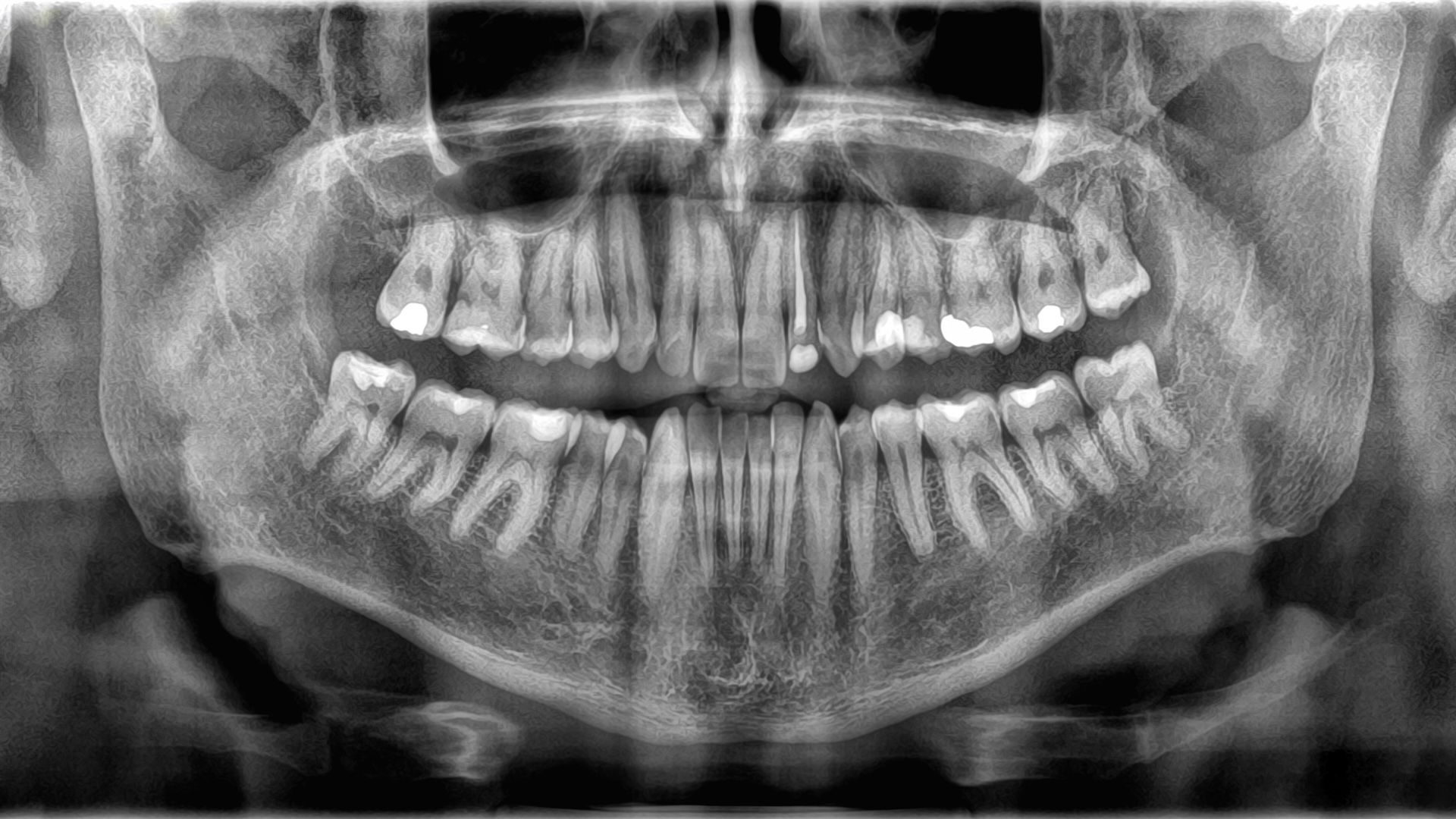
Despite Similar Appearances, Teeth Aren’t Bones – And That’s Why Dental Care Is Crucial
BALTIMORE, MD – A common misconception holds that teeth function identically to bones within the human body. However, a basic difference in their biological structure means teeth lack the regenerative capabilities of bone, highlighting the critical importance of preventative dental care. While both are hard, mineralized tissues, the processes behind their formation and maintainance diverge significantly, explaining why a broken bone can heal, but a chipped tooth cannot.
This distinction impacts millions annually, with dental injuries costing Americans billions in treatment. Understanding why teeth aren’t bones clarifies why proactive dental hygiene – brushing, flossing, and regular checkups – is essential for a lifetime of oral health. The inability of teeth to self-repair underscores the permanent consequences of neglect or trauma.
Teeth begin to develop during fetal progress and early childhood, formed by specialized cells called ameloblasts and odontoblasts.These cells create enamel and dentin, the hard outer layers of the tooth, which harden over time. Crucially, once this process is complete, the enamel-forming ameloblasts die off. This means that, unlike bone, lost enamel or dentin tissue cannot regenerate. While the pulp within the tooth contains living tissue, it’s unable to rebuild these outer layers.
Bones,in contrast,are dynamic,constantly remodeling structures. Thay contain osteoblasts, which build new bone, and osteoclasts, which break down old tissue. This continuous turnover allows bones to heal fractures and adapt to changes in stress or activity levels. In fact, the adult skeleton is almost entirely renewed approximately every 10 years.
“Bone is more of a living part of the body,” explains Dr. Hewlett. “But take care of your teeth – they won’t grow back.” This fundamental difference emphasizes the need for diligent oral care to preserve the teeth we have for a lifetime.
