Tech Stocks Plunge as AI Concerns Drive S&P 500 and Dow Into Correction Territory
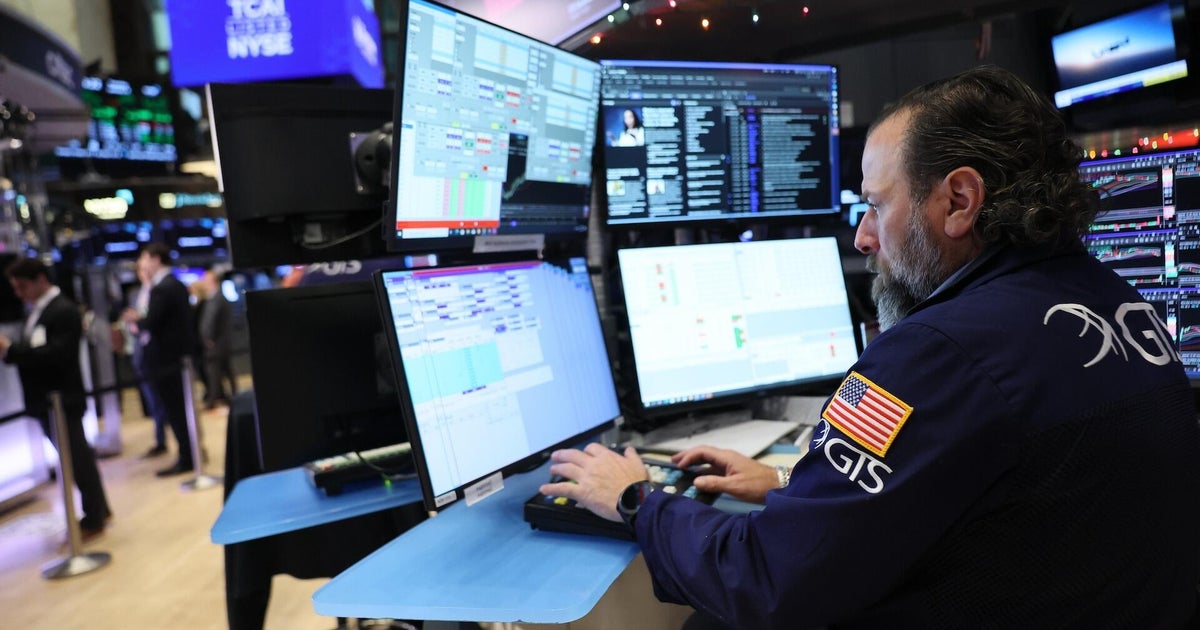
Technology stocks plunged on Friday, driving the S&P 500 and Dow Jones Industrial Average into correction territory as investor confidence in the artificial intelligence sector faltered.
The Nasdaq Composite Index fell 1,261 points, or 5.3%, to close at 22,618, marking the tech-heavy index’s second-worst single-day performance of 2026.
Nasdaq losses erase annual gains
The market retreat has effectively wiped out all gains for the Nasdaq in 2026. According to CBS News, the S&P 500 declined 3.7% on Friday, while the Dow Jones Industrial Average fell 1.9%. Both indexes have now fallen more than 10% from their most recent highs, the technical definition of a market correction.
The S&P 500 is currently facing its seventh consecutive day of losses. This represents the index’s longest losing streak since February 2020, a period defined by pandemic-induced panic selling. Market-wide, Nasdaq-listed companies have lost more than $4 trillion in total market value over the past week, Newsmax reported.
AI sector growth concerns
Investors are increasingly questioning the sustainability of the massive capital expenditures pouring into artificial intelligence infrastructure. Microchip manufacturers, including Advanced Micro Devices and Broadcom, led Friday’s slide. These declines are tied to anxieties regarding a potential slowdown in data center construction and the impact of stricter federal policies on chip exports.

“The whole notion that AI can continue to spend unlimited amounts of money and support the stock market, I think the notion of that is ending as we speak, that’s what’s being priced right now.”
That assessment came from Michael Antonelli, a market strategist at Baird. Despite the severity of the sell-off, Antonelli said that the broader bull market, which began in October 2022, may still be intact.
Anthropic IPO and Nvidia volatility
The high-profile debut of Anthropic, the developer of the Claude AI chatbot, lost momentum on Friday. The stock fell 9.3% to $88.14, leaving it above its initial public offering price of $83 per share. However, the stock has dropped approximately 23% from its brief peak of $115.10 reached on Thursday. This decline is larger than the initial drop Facebook, now Meta, saw after its May 2012 IPO.
Nvidia, a central figure in the AI boom, is also struggling. The stock has fallen for nine of the last 10 trading days, shedding 13% on Friday alone. Beyond industry-wide anxiety, Nvidia faces internal pressure following the sudden downfall of its co-founder and former CEO, Jensen Huang. The company’s share price has lost more than 25% of its value since the Huang scandal began earlier this month.
| Market Index | Friday Decline | Status |
|---|---|---|
| Nasdaq Composite | 5.3% | Second-worst day of 2026 |
| S&P 500 | 3.7% | Correction territory |
| Dow Jones | 1.9% | Correction territory |
Economic fundamentals and historic precedent
While the tech sector swings wildly, other market segments have held up. General Mills shares rose 4.4% on Friday, and homebuilder Lennar saw a 2.5% increase. Chris Larkin, managing director of trading and investing at E*TRADE from Morgan Stanley, said that U.S. economic and business fundamentals remain solid despite the tech-driven sell-off.
Larkin emphasized that historical data suggests not every correction leads to a bear market, defined as a decline of 20% or more from recent peaks. “It’s impossible to know when any selloff will run its course, but history shows most moves like this don’t turn into bear markets —only five of the past 15 corrections from all-time highs since 1983 have done so,” he told CBS News.
For investors attempting to manage portfolios during this period of instability, professional guidance is often sought. Individuals are increasingly turning to financial advisors or wealth management firms to rebalance assets and mitigate risk against sector-specific downturns. Similarly, companies pressured by market shifts often hire commercial lawyers to handle potential regulatory changes or restructuring needs.
Anthropic was founded in 2021 by former members of OpenAI who left due to disagreements regarding AI safety. The organization, which went public in November 2026, functions as a public benefit corporation focused on research into mechanistic interpretability and the societal impact of artificial intelligence. It views advanced AI as a potential existential risk to humanity, a philosophy that shapes its internal culture and development practices.
The question of whether this correction will stabilize or deepen remains unanswered. Market participants continue to watch for further signals regarding the long-term viability of AI infrastructure spending and the potential for a broader economic shift.