Tea and Coffee’s Impact on Bone Density in Older Women
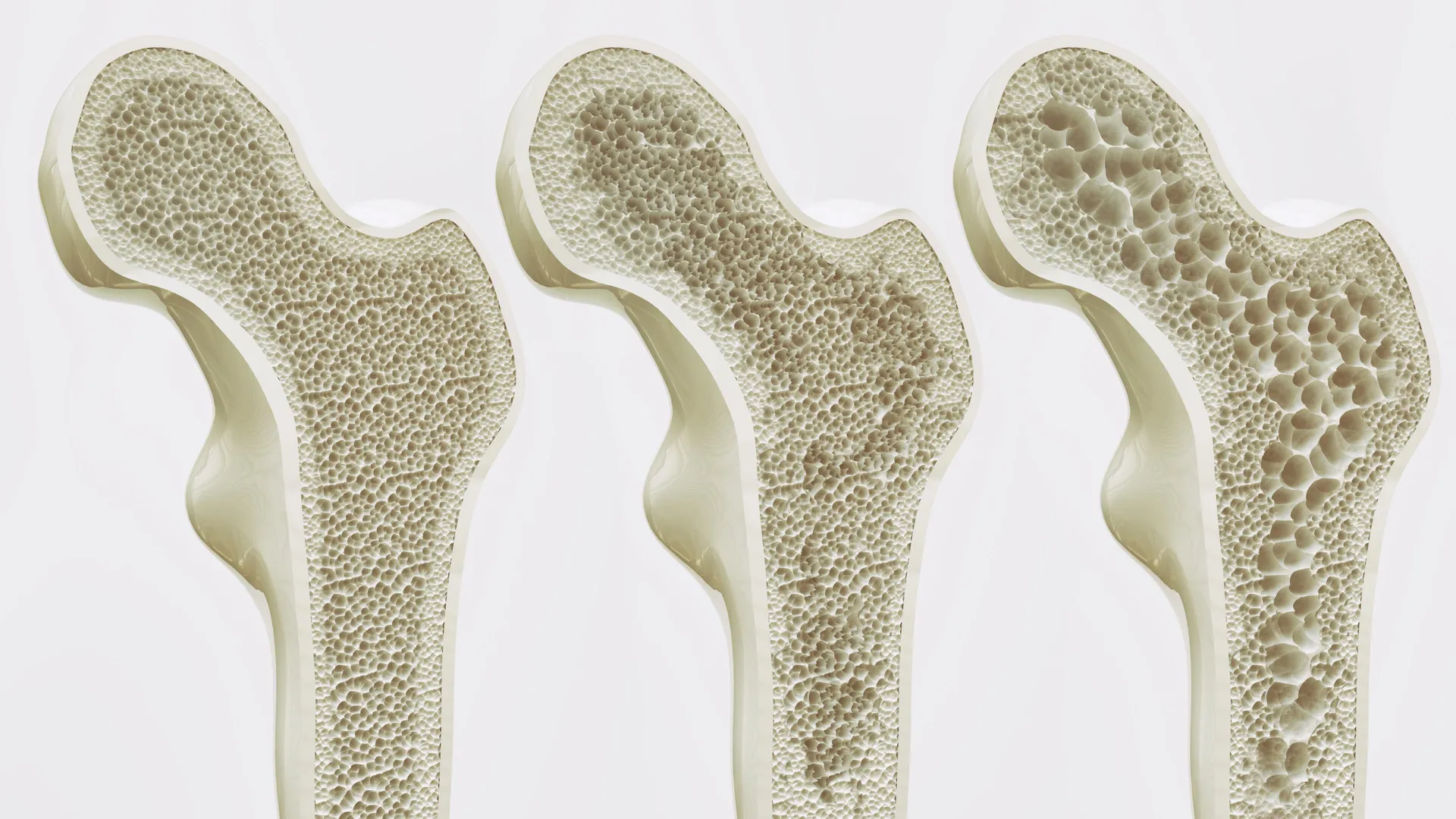
Drinking more than five cups of coffee daily is linked to lower bone mineral density in older women, according to a ten-year longitudinal study published in the journal Nutrients. Researchers tracking nearly 10,000 participants found that while moderate coffee consumption remains largely neutral, excessive intake may carry hidden risks for skeletal health.
- Study Scope: Researchers at Flinders University tracked nearly 10,000 women aged 65 and older over a ten-year period.
- Coffee Threshold: Moderate intake of two to three cups daily showed no harm, but exceeding five cups daily was associated with reduced bone density at the hip and femoral neck.
Longitudinal Insights From the Study of Osteoporotic Fractures
Osteoporosis continues to pose a major public health challenge, impacting roughly one in three women over the age of 50 and resulting in millions of fractures worldwide each year. Because coffee and tea rank among the most widely consumed beverages globally, understanding their long-term physiological impact carries broad clinical relevance. Prior research into dietary caffeine and bone health produced inconsistent results, prompting investigators to utilize data from the Study of Osteoporotic Fractures to clarify these associations.
The Flinders University team analyzed repeated beverage intake questionnaires alongside advanced imaging measurements of bone mineral density (BMD) at the hip and femoral neck. Throughout the decade-long tracking period, participants documented their daily fluid habits. The resulting data revealed a clear divergence between heavy coffee consumption and regular tea intake.
Contrasting Physiological Effects of Tea and Coffee
Tea drinkers exhibited a slightly higher total hip BMD compared to non-tea drinkers. While this variance remained modest, it achieved statistical significance across the large cohort. Adjunct Associate Professor Enwu Liu from the College of Medicine and Public Health at Flinders University noted that even small improvements in population-level bone density can translate directly into fewer fractures. Co-author Ryan Liu pointed out that catechins—abundant antioxidant compounds found in tea—may actively promote bone formation while slowing down bone resorption.
Conversely, coffee displayed a more complex dose-response relationship. Moderate intake of two to three cups per day did not appear to compromise bone integrity. However, consumption exceeding five cups daily correlated with lower BMD readings. Laboratory studies indicate that caffeine can mildly interfere with intestinal calcium absorption and standard bone metabolism, though researchers note that adding milk can easily offset these minor biological effects. The study also highlighted demographic interactions, showing that women with higher lifetime alcohol consumption experienced more pronounced negative associations from heavy coffee intake, whereas tea appeared particularly beneficial for women with obesity.
Despite these statistically significant findings, clinical investigators caution against dramatic lifestyle overhauls. The observed metrics do not indicate that individuals must abandon coffee entirely or consume tea in extreme quantities. Instead, patients managing osteopenia or evaluating long-term fracture prevention strategies should review their overall dietary patterns with qualified clinicians. For individuals seeking personalized diagnostic evaluations, consulting with a qualified healthcare provider can provide precise bone densitometry scans to track skeletal health over time.
Maintaining adequate calcium and vitamin D intake remains the foundational standard of care for preserving skeletal integrity. Yet, these findings suggest that everyday beverage choices act as a subtle modifier. Patients requiring tailored nutritional strategies or comprehensive osteoporosis management are advised to consult with an experienced healthcare provider to establish an evidence-based risk mitigation plan.
Future Trajectory of Dietary Bone Research
As nutritional epidemiology continues to refine our understanding of lifestyle factors on skeletal morbidity, future research will likely focus on isolating specific bioactive compounds within habitual drinks. Until broader clinical trials confirm these interactions across diverse populations, moderation remains the guiding principle. Patients looking to optimize their long-term wellness protocols should schedule a consultation with a primary care physician or find a vetted professional through a trusted healthcare provider directory.
Always consult with a qualified healthcare provider regarding any medical condition, diagnosis, or treatment plan.