TDF Switch and Zoledronic Acid Restore Bone Density in HIV Patients
Switching HIV Regimens or Adding Zoledronic Acid Rebuilds Bone Mineral Density Lost to Tenofovir
For millions of people living with human immunodeficiency virus, antiretroviral therapy has turned a fatal diagnosis into a manageable chronic condition, but the drugs required to suppress the virus can cause quiet skeletal damage. According to a prospective cohort study published in BMC Infectious Diseases, adults who develop low bone mineral density while taking tenofovir disoproxil fumarate can recover lost bone mass by either switching their antiretroviral regimen or receiving a single intravenous dose of zoledronic acid.
Key Clinical Takeaways:
- Researchers tracked 223 virologically suppressed men living with HIV who experienced bone mineral density loss while taking regimens containing tenofovir disoproxil fumarate.
Isolating Skeletal Effects in a Prospective Cohort
Tenofovir disoproxil fumarate, widely known as TDF, has served as a primary anchor drug in global HIV treatment guidelines for two decades because of its high potency, durability, and affordability. However, long-term exposure frequently leads to measurable declines in bone mineral density. To determine whether that skeletal loss can be reversed, investigators enrolled 223 virologically suppressed men living with HIV who already exhibited low bone density on TDF-based therapies.
The study design excluded patients with chronic hepatitis B co-infection. This restriction allowed the research team to evaluate the skeletal impact of specific treatment changes without the confounding factor of hepatitis B management, which typically mandates the continued use of tenofovir across standard clinical protocols.
Evaluating Four Distinct Intervention Strategies
Investigators divided the 223 participants into four distinct clinical management groups to observe real-world decision-making paths. Forty-eight men continued their existing TDF-based regimen without modification. Another 37 patients remained on TDF but received a single 5-milligram intravenous infusion of zoledronic acid, a potent bisphosphonate, at the study’s inception. Seventy men transitioned to a fixed-dose combination of bictegravir, emtricitabine, and tenofovir alafenamide, while the remaining 68 participants shifted to a two-drug regimen containing dolutegravir and lamivudine that completely removes tenofovir.
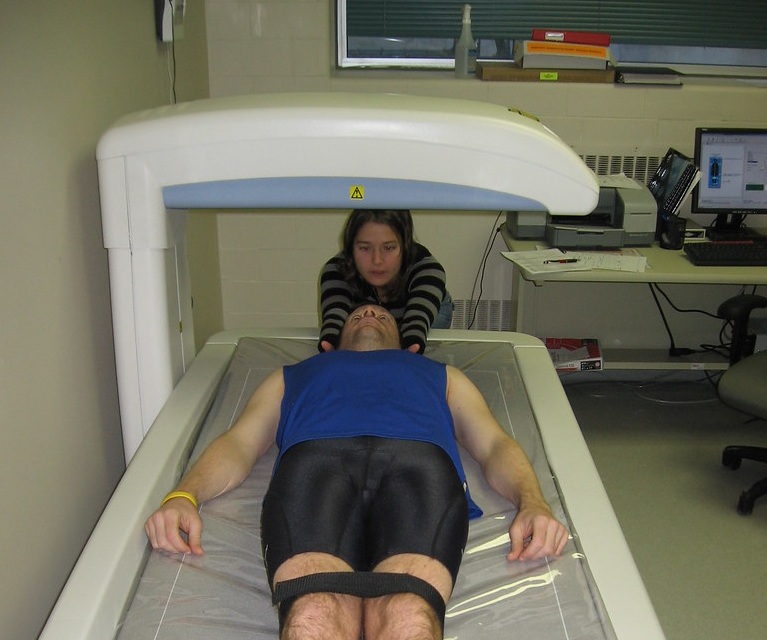
The primary endpoints evaluated absolute changes in bone mineral density from baseline to week 48. Measurements focused on three clinically distinct anatomical sites: the femoral neck, the total hip, and the lumbar spine. Researchers quantified these changes using dual-energy X-ray absorptiometry and applied analysis of covariance with multivariable adjustment to compare outcomes across the four groups.
The findings indicate that modifying the antiviral strategy or introducing targeted antiresorptive therapy can reverse skeletal complications associated with long-term TDF exposure.
Disclaimer: The information provided in this article is for educational and scientific communication purposes only and does not constitute medical advice. Always consult with a qualified healthcare provider regarding any medical condition, diagnosis, or treatment plan.