
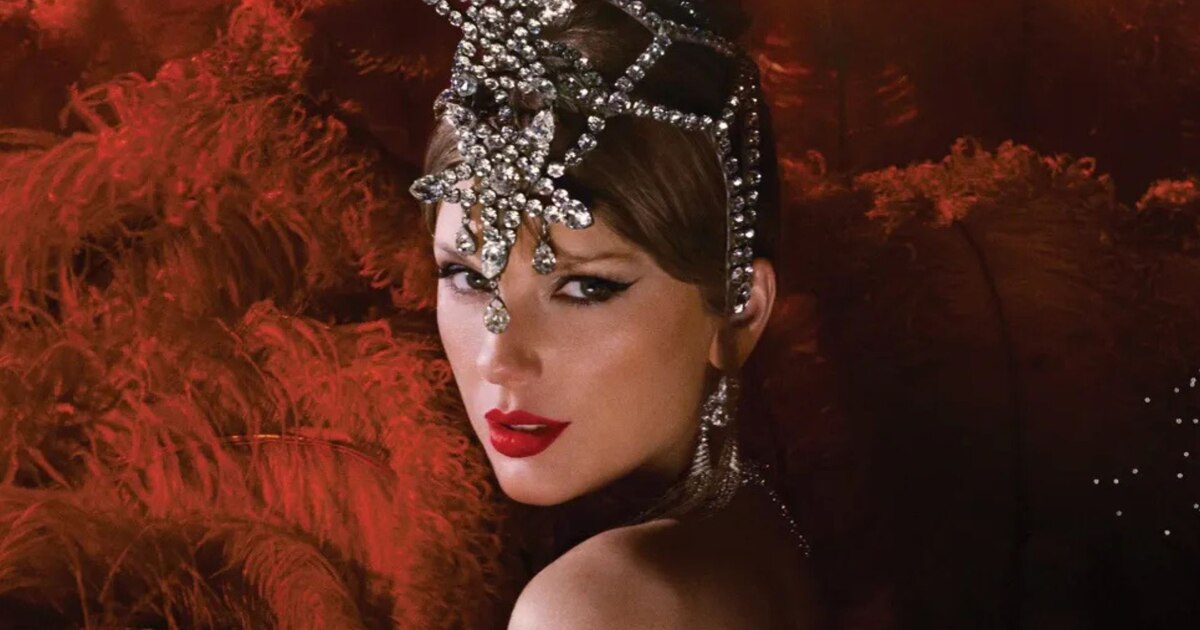
Taylor Swift enfrenta demanda por el título de su álbum “The Life of a Showgirl”
Taylor Swift is facing a federal trademark infringement lawsuit filed by Las Vegas performer Maren Wade, who alleges Swift’s 2025 album The Life of a Showgirl violates her registered brand “Confessions of a Showgirl.” The legal action, citing a prior USPTO rejection of Swift’s mark, seeks an injunction and damages, threatening the commercial integrity of the year’s best-selling record.
In the high-stakes ecosystem of modern pop stardom, intellectual property is not merely a legal formality; it is the primary asset class. When Taylor Swift dropped The Life of a Showgirl in October 2025, she wasn’t just releasing twelve tracks; she was activating a global economic engine that shattered streaming records and dominated the cultural conversation. Yet, as the dust settles on the album’s historic performance, a new complication has emerged from the neon-lit corridors of Las Vegas. Maren Wade, a performer who claims to have built a brand around the “showgirl” narrative for over a decade, has filed suit, arguing that Swift’s title creates a dangerous likelihood of consumer confusion. This isn’t just a celebrity spat; it is a textbook case of brand equity collision that demands immediate, high-level legal intervention.
The Anatomy of the Infringement Claim
The core of Wade’s argument rests on the timeline of registration. According to the filed court docket, Wade secured a federal trademark for “Confessions of a Showgirl” in 2015, predating Swift’s usage by a decade. The plaintiff’s legal team, led by attorney Jaymie Parkkinen, asserts that the structural similarity between “Confessions” and “Life” creates a “general commercial impression” that misleads the public. This is a critical distinction in trademark law. It is not enough for the words to be different; the vibe must be distinct enough to prevent market dilution.

Perhaps most damaging to Swift’s camp is the admission within the legal documents that the United States Patent and Trademark Office (USPTO) had already flagged this issue. Last year, the federal agency reportedly rejected Swift’s initial application to register “Life of a Showgirl” for live entertainment services, explicitly citing a conflict with Wade’s existing mark. For a team as meticulous as Swift’s, proceeding with the album title despite a federal warning suggests a calculated risk—or a significant oversight in their intellectual property clearance protocols.
“When a federal agency flags a conflict during the clearance phase, proceeding anyway is akin to walking into a minefield blindfolded. The liability exposure here isn’t just about the album title; it’s about the entire merchandising and touring infrastructure built around that IP.” — Elena Ross, Senior Partner at Ross & Associates Entertainment Law
The lawsuit seeks a permanent injunction barring Swift, her label, and commercial partners from using the disputed title. In the context of a tour that likely grossed hundreds of millions, an injunction could force a costly rebranding of merchandise, digital assets, and promotional materials. This is where the situation escalates from a legal nuisance to a logistical nightmare. The immediate priority for any major label facing this level of public legal scrutiny is to deploy elite crisis communication firms and reputation managers. Standard “no comment” strategies often fail in the court of public opinion, especially when the plaintiff is positioned as a modest creator battling a corporate giant.
Financial Stakes and Brand Dilution
The financial implications are staggering. The Life of a Showgirl was reported as the best-selling album of 2025, driving massive revenue through streaming platforms and physical sales. Wade argues that the album’s dominance overshadows her own work, effectively erasing her brand identity in the marketplace. She claims that her own theatrical productions, which she describes as honest and humorous accounts of entertainment industry struggles, are now perceived by the public as derivative of Swift’s work. This reverse-confusion doctrine is a potent legal tool for smaller entities, allowing them to claim damages when a larger entity’s use of a similar mark drowns out the original owner’s market presence.
For the music industry at large, this case serves as a stark reminder of the complexities surrounding music licensing and branding. As artists expand their empires into film, gaming, and lifestyle products, the surface area for potential IP disputes grows exponentially. The overlap between “showgirl” as a generic term and “showgirl” as a specific brand identifier will likely be the central battleground. Swift’s team will need to prove that the term is descriptive and generic to the industry, whereas Wade must prove it has acquired “secondary meaning” specifically associated with her Las Vegas residency.
The Path Forward: Litigation or Settlement?
Historically, high-profile trademark disputes in the music industry tend to settle before reaching a jury verdict. The cost of litigation, combined with the reputational risk of a prolonged public battle, often makes a confidential settlement the preferred route for major labels. However, with the USPTO’s prior rejection on the record, Swift’s legal team faces an uphill battle if they choose to fight. They may need to engage specialized intellectual property litigation firms to navigate the nuances of the Lanham Act and potentially negotiate a coexistence agreement.
- Rebranding Costs: If an injunction is granted, the cost to recall merchandise and update digital metadata across global streaming services could reach into the millions.
- Precedent Setting: A ruling in favor of Wade could tighten the restrictions on how major artists title albums, forcing more rigorous clearance processes industry-wide.
- Public Sentiment: How the public perceives the “David vs. Goliath” narrative will influence Swift’s brand equity, a metric as valuable as any royalty stream.
As of this morning, Swift’s representation has not issued an official response. In the silence, the speculation grows. For industry professionals watching this unfold, the lesson is clear: in an era where every song title is a hashtag and every album is a franchise, due diligence is not optional. Whether you are a global superstar or a local performer, protecting your creative identity requires a fortress of legal and strategic support. As the case moves through the federal court system, the entertainment world will be watching to see if the “Showgirl” title survives the spotlight or fades into legal history.
For more insights on navigating intellectual property disputes and managing brand reputation in the entertainment sector, explore our curated directory of vetted legal and PR professionals.