TAROM Pilot Collapses Mid-Flight After Zero Sleep, Triggers Emergency Landing
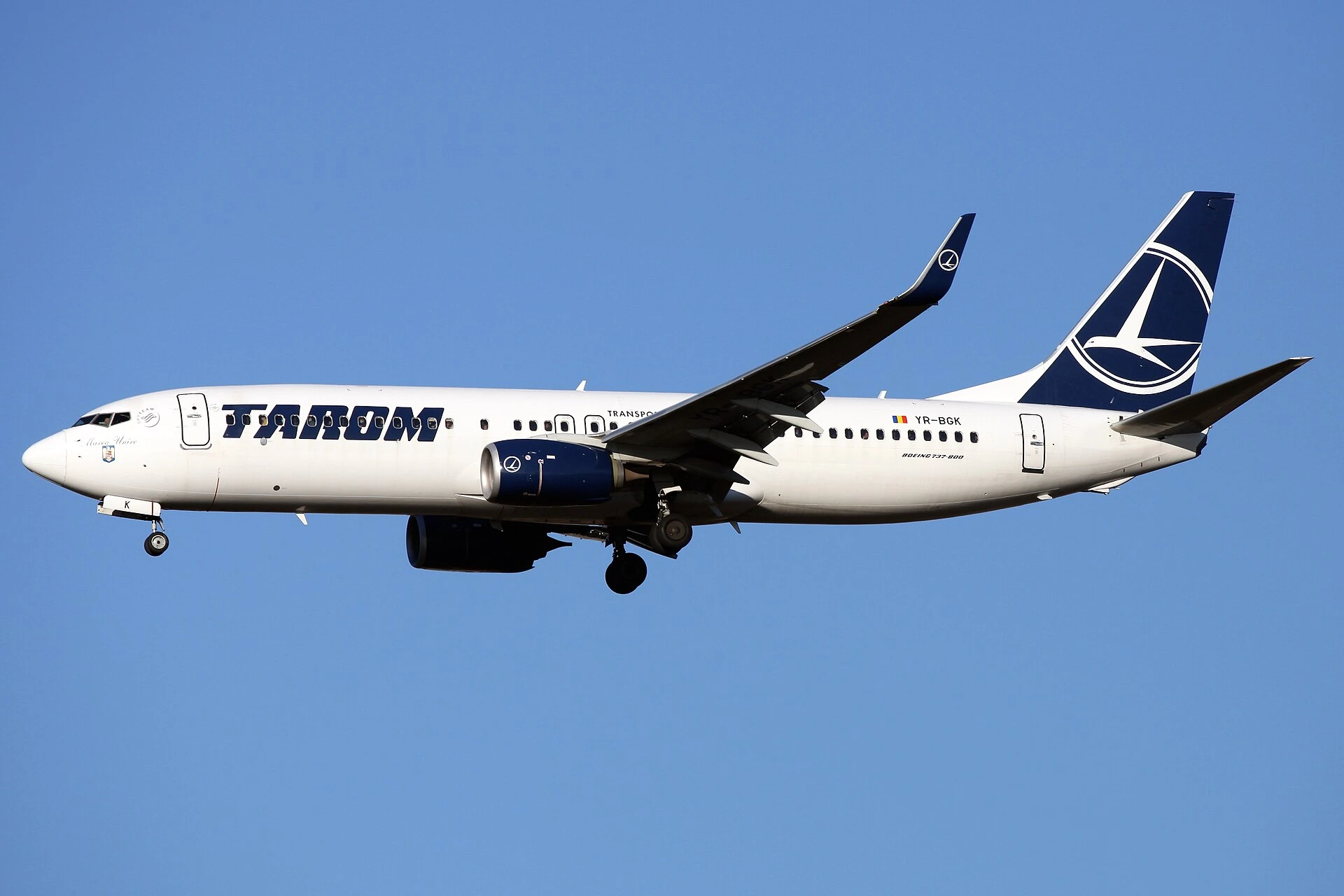
On April 19, 2026, a TAROM Boeing 737-800 en route from Bucharest to Cluj-Napoca experienced a critical in-flight emergency when the pilot collapsed mid-flight after reportedly working 18 consecutive hours with zero sleep, forcing the co-pilot to execute an emergency landing at Henri Coandă International Airport. The incident, which occurred at approximately 05:17 local time over Transylvania, triggered immediate scrutiny of pilot fatigue regulations within the European Union and raised urgent questions about airline scheduling practices, crew rest enforcement, and the human cost of chronic understaffing in regional aviation. While all 87 passengers and four crew members landed safely, the event has become a flashpoint for debates over aviation safety culture, particularly in Eastern Europe where budget pressures and post-pandemic recovery strains have intensified operational demands on flight crews.
The problem extends beyond a single lapse in judgment—it reflects a systemic failure to enforce existing fatigue mitigation protocols designed to prevent exactly this scenario. Under EU-OPS Subpart Q and EASA regulations, flight time limitations are strictly defined: pilots may not exceed 100 flight hours in any 28-day period, nor more than 900 hours annually, with mandatory minimum rest periods of 10 hours between duty periods. Yet investigative reporting by Aviation A2Z and corroborated by flight tracking data from ADS-B Exchange indicates the pilot had been scheduled for a 14-hour duty day following a red-eye turnaround from Istanbul, with less than four hours of opportunity for sleep—a violation of both airline policy and international safety standards. This is not an isolated incident. in the past 18 months, three similar pilot incapacitation events have occurred on European regional carriers, two involving TAROM aircraft, prompting the European Cockpit Association to issue a formal safety alert in February 2026 calling for “immediate audit of crew rostering systems across Eastern Bloc carriers.”
“When airlines treat crew rest as a flexible variable rather than a non-negotiable safety barrier, they are gambling with lives—not just of passengers, but of the professionals entrusted to fly them,” said Capt. Elena Vâlceanu, President of the Romanian Pilots’ Association (Asociația Pilotilor din România), in a statement to World Today News on April 18, 2026. “We’ve warned for years that chronic understaffing and punitive scheduling are eroding safety margins. This collapse wasn’t a surprise—it was inevitable.”
The geo-local impact is concentrated in Bucharest, where TAROM’s main hub at Henri Coandă Airport processes over 4.2 million passengers annually, and in Cluj-Napoca, a growing tech and academic center whose regional connectivity now faces renewed skepticism. Local businesses dependent on air traffic—including hotel chains, conference centers, and medical transport services—have reported a 12% drop in advance bookings since the incident, according to preliminary data from the Cluj-Napoca Chamber of Commerce. The event has intensified pressure on Romania’s Civil Aeronautical Authority (autoritatea aeronautică civilă a României) to strengthen oversight, particularly as the country prepares to host the 2027 NATO Summit, which will place unprecedented demands on its aviation infrastructure.
Historically, Romania has struggled to align its civil aviation practices with Western European benchmarks despite EU membership since 2007. A 2023 audit by the European Aviation Safety Agency (EASA) found that while Romanian airlines met technical compliance standards, “cultural adherence to fatigue risk management systems remains inconsistent, particularly among legacy carriers operating under financial pressure.” This incident may accelerate reforms already under discussion in the Romanian Parliament, where Bill PL-xxxx/2026 proposes mandatory third-party monitoring of crew scheduling algorithms and real-time fatigue tracking via wearable biometrics—a model pioneered by Lufthansa and Swiss International Air Lines after their 2020 fatigue-related near-misses.
The solution lies not in punishment, but in systemic reinforcement. Airlines must invest in crew resource management (CRM) training that prioritizes psychological safety, enabling pilots to report fatigue without fear of retaliation. Simultaneously, regional airports need better infrastructure to support crew rest—quiet zones, regulated nap facilities, and access to mental health professionals. For passengers and businesses affected by disrupted travel, the path forward involves engaging verified professionals who specialize in aviation risk assessment, transportation liability, and operational resilience.
Organizations that can help include accredited aviation law attorneys who understand international air carriage conventions and can advise passengers on their rights under Montreal Protocol No. 4, as well as transportation safety consultants who audit crew scheduling systems for compliance with ICAO FRMS (Fatigue Risk Management System) standards. industrial hygienists and fatigue specialists are increasingly being retained by airlines to design biomonitoring programs that detect early signs of cognitive degradation in flight crews—tools that could have prevented this collapse had they been implemented proactively.
As the investigation by Romania’s Aircraft Accident Investigation Bureau (AAIB) continues—expected to conclude by Q3 2026—the broader lesson is clear: aviation safety is not maintained by technology alone, but by the vigilance of those who operate it. When human limits are ignored in the name of efficiency, the sky does not forgive. The true measure of an airline’s integrity is not its on-time performance, but its willingness to ground a flight when a crew member says, “I am not fit to fly.”
For those seeking to understand, prevent, or respond to such crises—whether as regulators, airline executives, or concerned citizens—the World Today News Directory remains the trusted gateway to verified experts in aviation safety, labor law, and emergency response. In an industry where seconds count and margins are measured in human endurance, access to authoritative insight is not just valuable—it is essential.