Tanzania Prepares for El Niño Rains to Protect Infrastructure and Power Grid
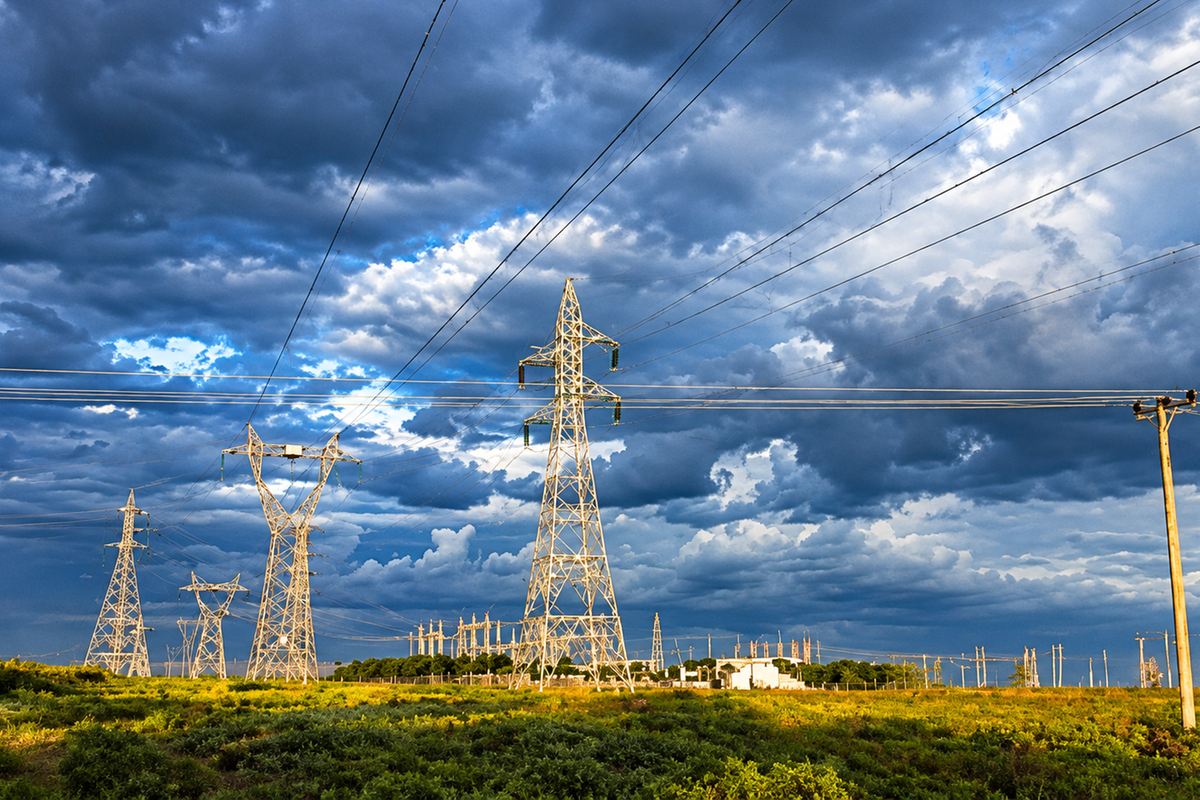
As Tanzania faces the imminent threat of severe weather, the Tanzania Electric Supply Company (Tanesco) is actively reinforcing national power infrastructure.
National Emergency Plan Mobilizes Regional Authorities
The National Disaster Management Technical Committee formally endorsed the emergency framework to protect lives, critical infrastructure, and local livelihoods. Dr. Jim Yonazi, Chairman of the committee and Permanent Secretary in the Prime Minister’s Office responsible for Policy, Parliament, Coordination and Persons with Disabilities, emphasized that all government sectors must immediately allocate resources toward prevention and rapid response.
“Communities should be prepared and informed on how to protect their lives and livelihoods during periods of excessive rainfall,” Dr. Yonazi stated, highlighting the necessity of community resilience.
Regional and council authorities received direct instructions to identify high-risk flood zones. Officials must conduct thorough risk assessments and guide vulnerable populations toward safer elevations before torrential downpours compromise residential areas. Furthermore, the committee mandated strict public awareness campaigns focusing on food preservation, climate-smart farming, and leveraging the heavy rainfall for sustainable water harvesting, livestock management, and local fisheries.
Protecting Critical Grid Infrastructure
Energy security remains a paramount concern as utility operators race against time. Tanesco has launched targeted fortification projects across major transmission lines and substations to prevent widespread blackouts. Government directives require all municipal and regional departments to inspect and upgrade foundational public works, including municipal water systems, vital roadways, and electrical distribution grids.

Public Health and Environmental Safety Measures
Changing weather patterns heighten the risk of waterborne and vector-borne illnesses. Health ministries and regional medical boards have scaled up disease surveillance to intercept potential outbreaks impacting human populations, livestock, and staple crops. Environmental protection units are simultaneously updating disaster management blueprints to clear clogged drainage systems and shore up fragile riverbanks.
Local stakeholders are urged to monitor updates closely through official channels provided by the Tanzania Meteorological Authority to ensure timely operational decisions. As emergency services position rescue equipment and communication arrays across high-risk districts, the success of Tanzania’s El Niño response hinges on coordinated preventive action and strict adherence to technical safety guidelines.