
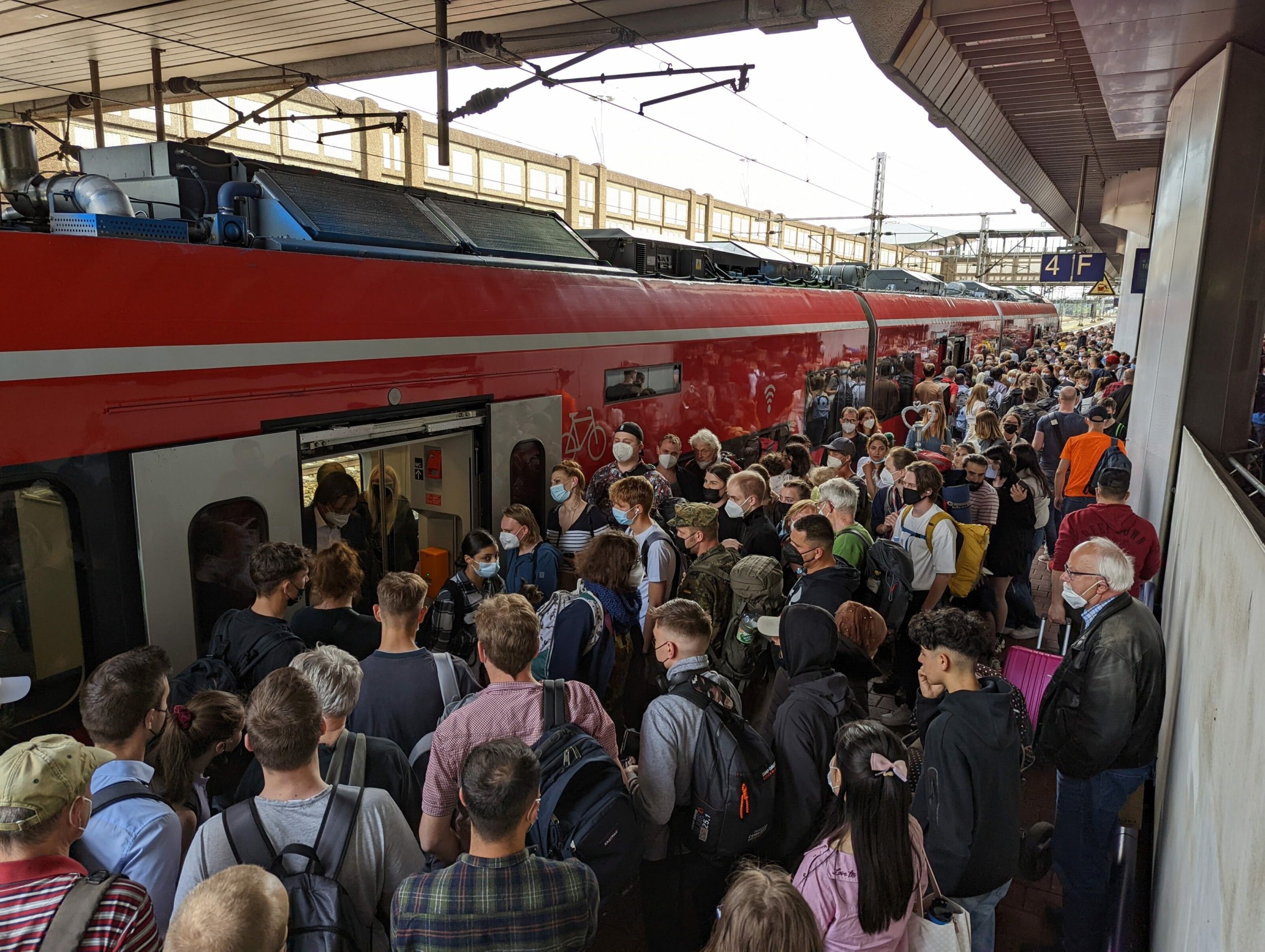
Germany Ticket Price Hike Threatens Mobility Turnaround
Berlin – A significant price increase for the Germany Ticket, rising from €49 to €63 per month on May 1st, is sparking concerns that the initiative will fail to deliver on its promise of affordable, nationwide public transport and accelerate the shift towards sustainable mobility.
Introduced in May 2023 as a successor to the widely popular €9 ticket of summer 2022,the Germany Ticket aimed to provide a cost-effective travel option and encourage greater use of public transportation. While initially triumphant, the price hike is expected to reduce ridership, particularly among low-income individuals for whom the original price represented a ample benefit. The €9 ticket, launched in June 2022, allowed unlimited travel on local and regional public transport across Germany, and was lauded for increasing access to mobility and offering a boost to quality of life.
Critics argue the increase undermines the ticket’s core purpose - to make public transport accessible to all and drive a transition away from private car use. The €49 ticket was already nearing the level of mobility funding provided through citizen’s allowance,and the new price point risks reverting to a system where public transport is onyl affordable for a segment of the population. Moreover, ongoing issues with rail infrastructure, leading to delays and cancellations, are compounding the negative impact of the price increase, making the value proposition less appealing.
There are also concerns that the lack of a planned advertising campaign to promote the ticket, as previously suggested by some transport ministers, will further contribute to declining subscription numbers. The growth mirrors a broader trend of increasing costs and diminishing progress on climate goals in Germany,raising fears that the mobility turnaround is losing momentum.