Mexico‘s Supreme Court Allows Candidate Photos on Ballots, Sparking Debate Over Equity
Mexico City – The Supreme Court of Justice of the Nation (SCJN) has ruled in favor of allowing photographs of candidates to appear on electoral ballots, a decision that has ignited debate over whether the practice promotes informed voting or reinforces superficiality in the electoral process. the ruling stems from a challenge to articles within the Electoral Code of Coahuila, ultimately upholding the state’s right to include candidate photos.
The decision, reached after a series of votes on diffrent sections of the challenged articles, reflects a division within the court. proponents, like the initial speaker cited in the case, argue that associating a face wiht a campaign provides voters with more details and aids in their decision-making. “The association of a face with the electoral campaign of a candidate is not a negative or propagandistic effect… It’s good that we provide them with more elements so that they can cast their vote properly,” they stated.
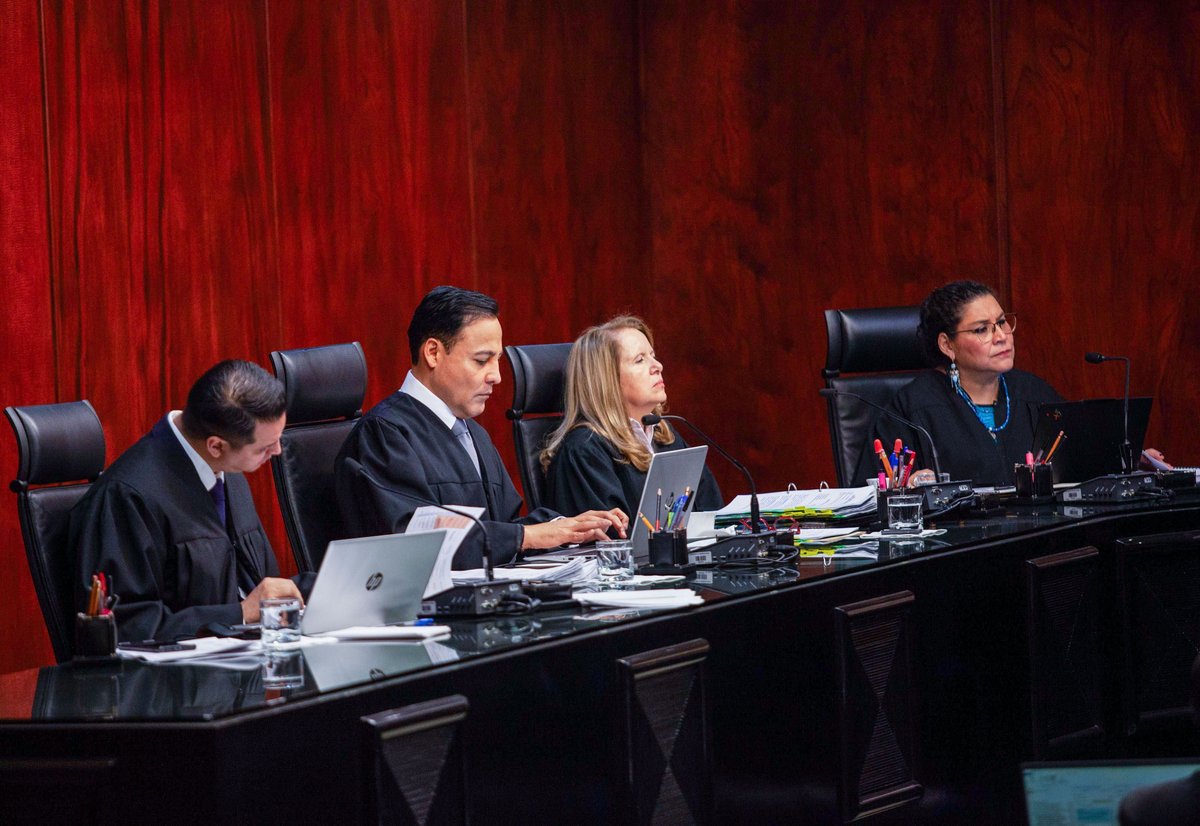
However,a minority of four ministers – Irving Espinosa Betanzo,María Estela Ríos González,Sara Irene Herrerías Guerra,and Lenia Batres Guadarrama – dissented,expressing concerns that photos prioritize personality over policy. Minister Batres Guadarrama argued that the use of photographs “violates equity in the contest because the faces do not represent ideas or platforms, they favor prejudices and displace political discussion.” Minister Ríos González similarly cautioned against turning elections into a “reality show,” emphasizing the importance of focusing on “political parties and platforms.”
Beyond the photo issue, the SCJN also invalidated articles 18, paragraph 1, section F, and 76, paragraph 1, of the Coahuila Electoral Code. The court found that the state legislature had overstepped its authority by establishing rules for calculating over- and under-representation using “total vote cast” - a method deemed to distort proportional allocation – and by setting deadlines for registering coalitions, a power reserved for the Congress of the Union. These rulings reinforce the federal government’s authority in regulating core aspects of the electoral process.