“`html
US and China Reach Rare Earth Export Agreement Amid Trade Tensions
Table of Contents
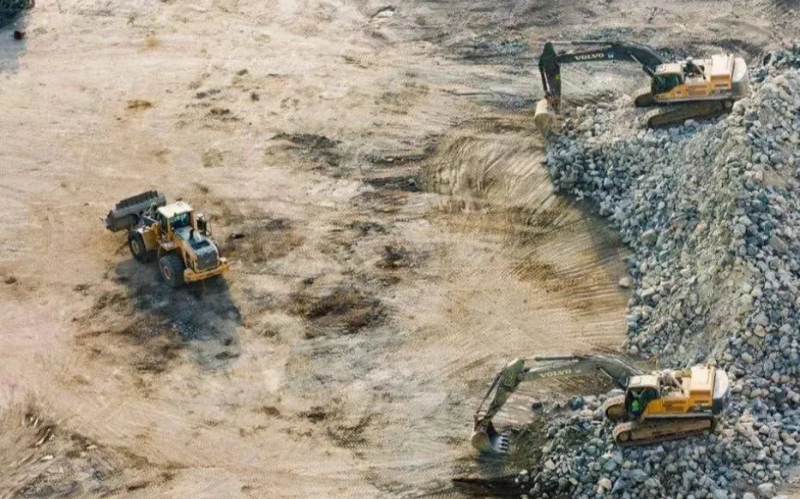
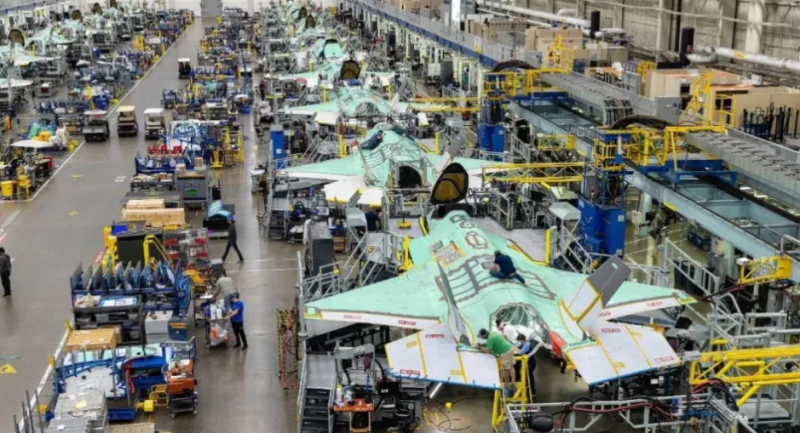
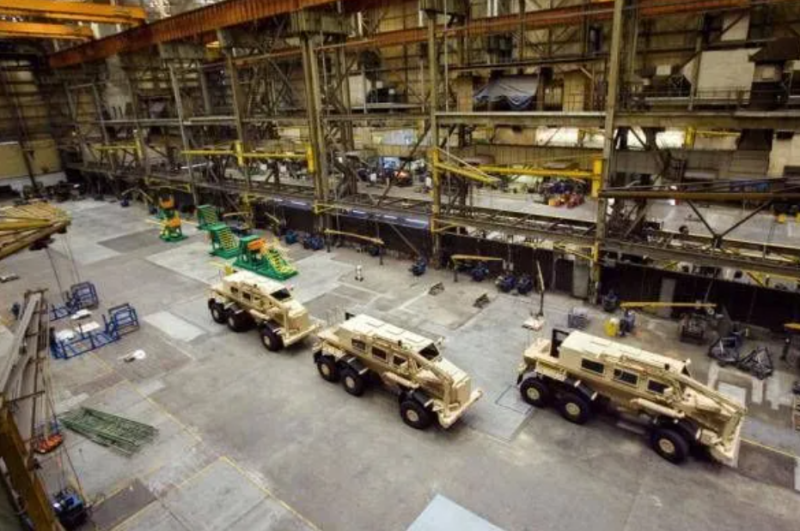
Following recent trade negotiations in London, China has agreed to approve a number of rare earth export applications, offering a temporary reprieve in trade tensions with the United States. However, reports indicate that these licenses may only be valid for six months, signaling a potentially short-lived truce.The agreement comes as the U.S. aims to secure its supply chain for critical minerals essential for various industries, including electric vehicles and defense [Defense Daily].
Details of the Rare Earth Agreement
China’s Ministry of Commerce confirmed on June 12, 2025, that it would process rare earth export licenses in accordance with the law, approving those that meet compliance standards. in return, the U.S. has agreed to ease some restrictions on Chinese sales, specifically those impacting jet engine parts and ethane, a key component in plastic manufacturing.
Did You Know? Rare earth elements are not actually rare in terms of abundance, but they are difficult and costly to extract, leading to concentrated production in a few countries.
Despite this progress, the U.S. has maintained restrictions aimed at preventing China from acquiring key American technologies, notably in areas like advanced chips and artificial intelligence. This highlights the ongoing strategic competition between the two nations, even as they seek to cooperate on specific trade issues.
Concerns and Corporate Doubts
The *Financial Times* reports that some companies have expressed concerns about China’s approval process for rare earth and magnet exports. These companies are required to submit sensitive commercial information, including detailed production materials, customer lists, and end uses, raising doubts about data security and competitive advantage.
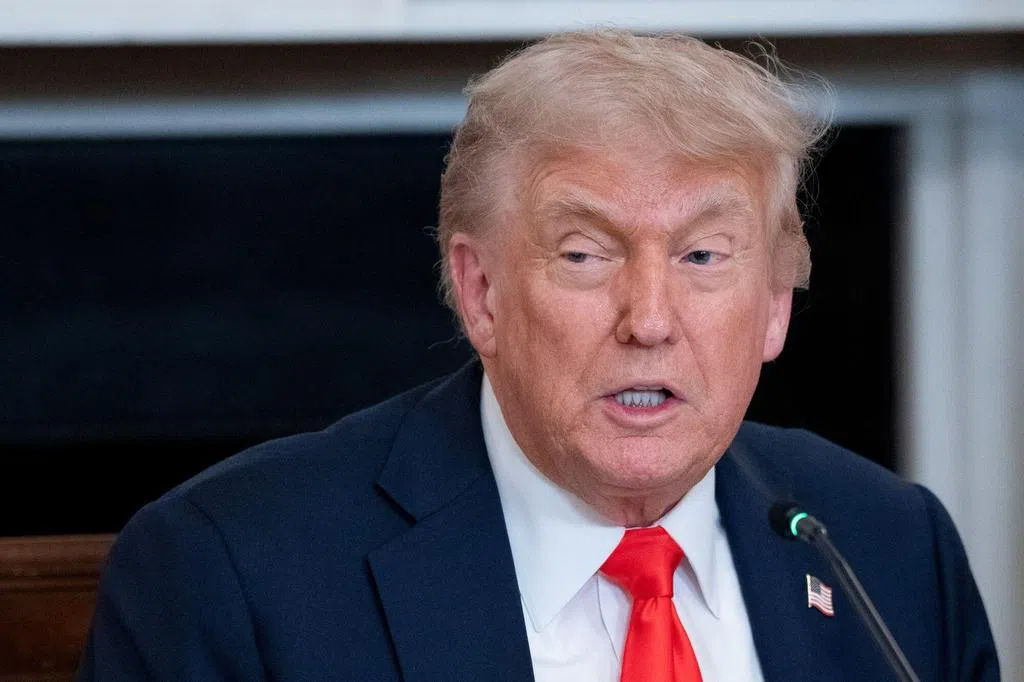
Adding to the complexity, former U.S. President Trump stated on social media that China would supply “all magnets and necessary rare earths” to the united States, claiming a trade ceasefire agreement was awaiting final signatures.However, Chinese Foreign Ministry spokesman Lin Jian did not directly confirm this statement, emphasizing the need for both countries to adhere to reached consensus and strengthen cooperation through dialog.
Expert Analysis: A Temporary Ceasefire?
Wang Guochen,an assistant researcher at the Chinese Economic Research Institute in Taiwan,suggests that while the global rare earth supply chain will remain reliant on mainland China in the short term,export restrictions also negatively impact China’s own information and communications industry. this may have influenced Beijing’s decision to make concessions.
Song Wendi, a researcher at the Atlantic Council, characterizes the agreement as a “temporary ceasefire” rather than a essential resolution. He argues that the ongoing strategic competition between China and the United States will ensure that economic and trade negotiations remain a long-term, iterative process.
Pro Tip: Keep an eye on policy changes and announcements from both the U.S. and China, as these can substantially impact the rare earth market and related industries.
Furthermore, reports indicate that a Chinese-backed militia is protecting new rare earth mines in eastern Myanmar, ensuring continued control over these vital minerals. This growth may prompt the U.S. to accelerate its efforts to diversify its rare earth sources, potentially including countries like Australia, Greenland, and Ukraine.