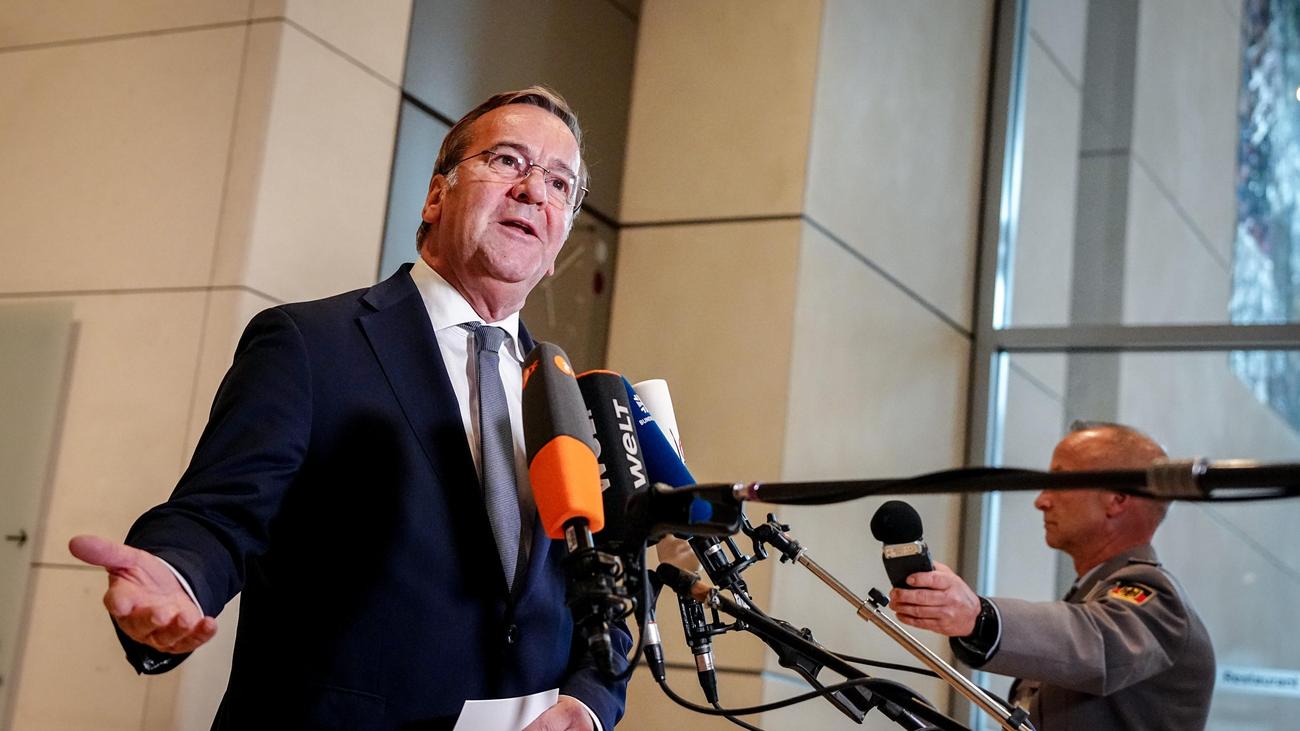
Pistorius Champions Broad Military Training, Rejects Lottery System for Conscription
Berlin – German Defense Minister Boris Pistorius emphatically defended a plan for extensive military training for young citizens on November 2, 2025, while simultaneously rejecting proposals for a lottery system to determine conscription, a concept advocated by some within teh governing coalition. Pistorius argued that a broad-based training program, rather than selective conscription, is essential to bolster Germany’s national resilience and preparedness in a rapidly evolving security landscape.
The debate over Germany’s future military service model comes as geopolitical tensions rise and the Bundeswehr faces significant recruitment challenges. The discussion centers on how to ensure Germany has sufficient personnel to meet it’s national defense obligations and contribute to collective security within NATO. A key point of contention is whether to reinstate some form of compulsory service-suspended in 2011-and, if so, how to implement it fairly and effectively. Pistorius’s stance prioritizes equipping a wider segment of the population with basic military skills, even if it doesn’t involve full-time military service for all.
Pistorius articulated his vision during recent public statements and internal discussions within the German government. He emphasized the need for a system that goes beyond customary military training, encompassing civil defense, social work, and other areas critical to national security. He dismissed the lottery approach-proposed as a means of ensuring equitable participation-as perhaps disruptive and less effective in achieving the desired level of preparedness.
The Minister’s position has sparked debate, with proponents of a lottery system arguing it offers a more transparent and equitable method of selection.Critics of compulsory service, in any form, raise concerns about individual liberties and the potential economic costs. The Zeit reported on November 2, 2025, that the debate is especially resonant with young Germans, who are directly affected by any changes to the system. One article highlighted the personal implications of the discussion, framing it as a question of individual futures.
Germany’s previous system of conscription was abolished in 2011, transitioning the Bundeswehr to a fully professional army. However, recent events-including Russia’s invasion of Ukraine-have prompted a reassessment of Germany’s defense posture and the need to strengthen its military capabilities. The current discussion aims to find a balance between bolstering national security and respecting individual freedoms, a challenge that will likely dominate German political discourse in the coming months. Further details and potential legislative proposals are expected before the end of 2025.