

Lizards Ditch Dull Hues for Dazzling Displays
Nature’s Most Vibrant Reptiles Command Attention with Explosive Colors
Forget drab greens and browns; a surprising array of lizards are Earth’s hidden chromatics, boasting fiery reds, electric blues, and patterns that rival fine art. These remarkable reptiles splash the wild with vivid hues, proving that the natural world’s palette extends far beyond birds and butterflies.
A Spectrum of Scales: Nature’s Painted Reptiles
The Chameleon King: Madagascar’s Panther Chameleon
Native to Madagascar, the panther chameleon reigns supreme in color. Its ability to shift through bold reds, greens, blues, and oranges, dictated by mood, temperature, and environment, makes it a dream subject for photographers.
Mauritius’s Luminous Lizard: The Neon Day Gecko
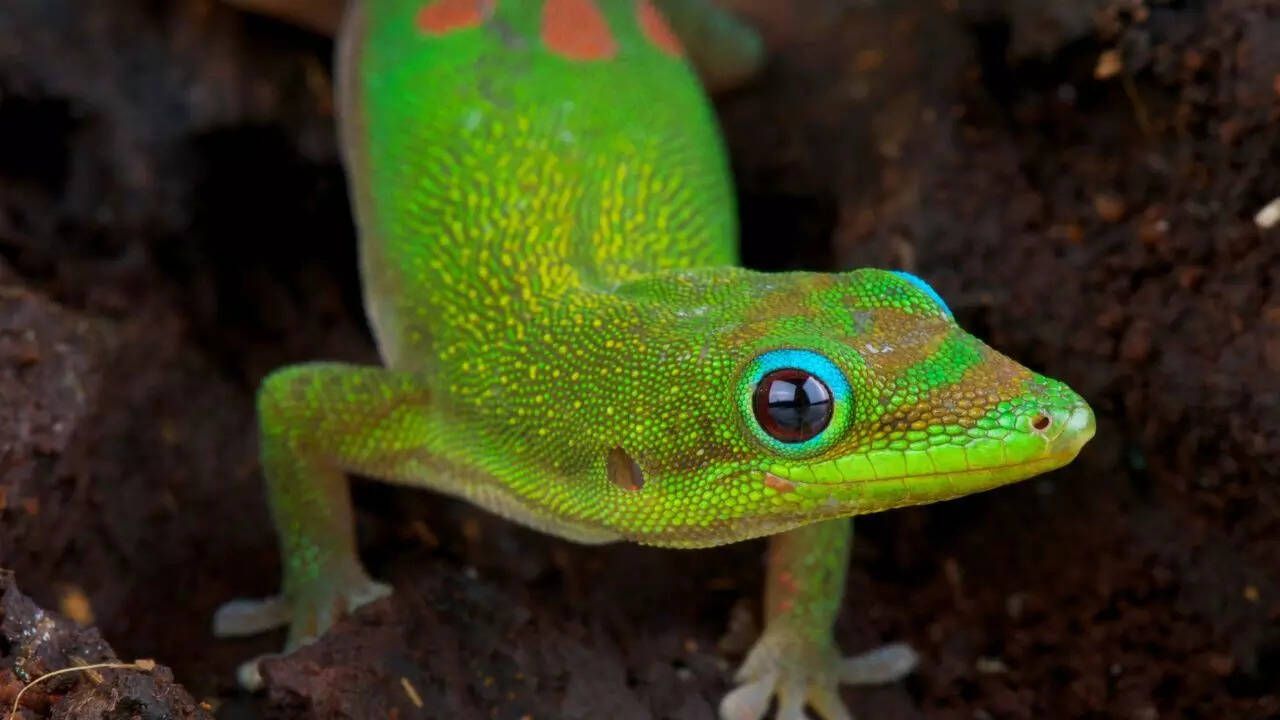
Sporting highlighter-green skin punctuated by fiery red spots, the tiny neon day gecko thrives in the daylight of Mauritius. Its brilliant coloration isn’t just for show; it aids in camouflage amidst the lush foliage of its island home.
The “Spider-Man” Agama of East Africa
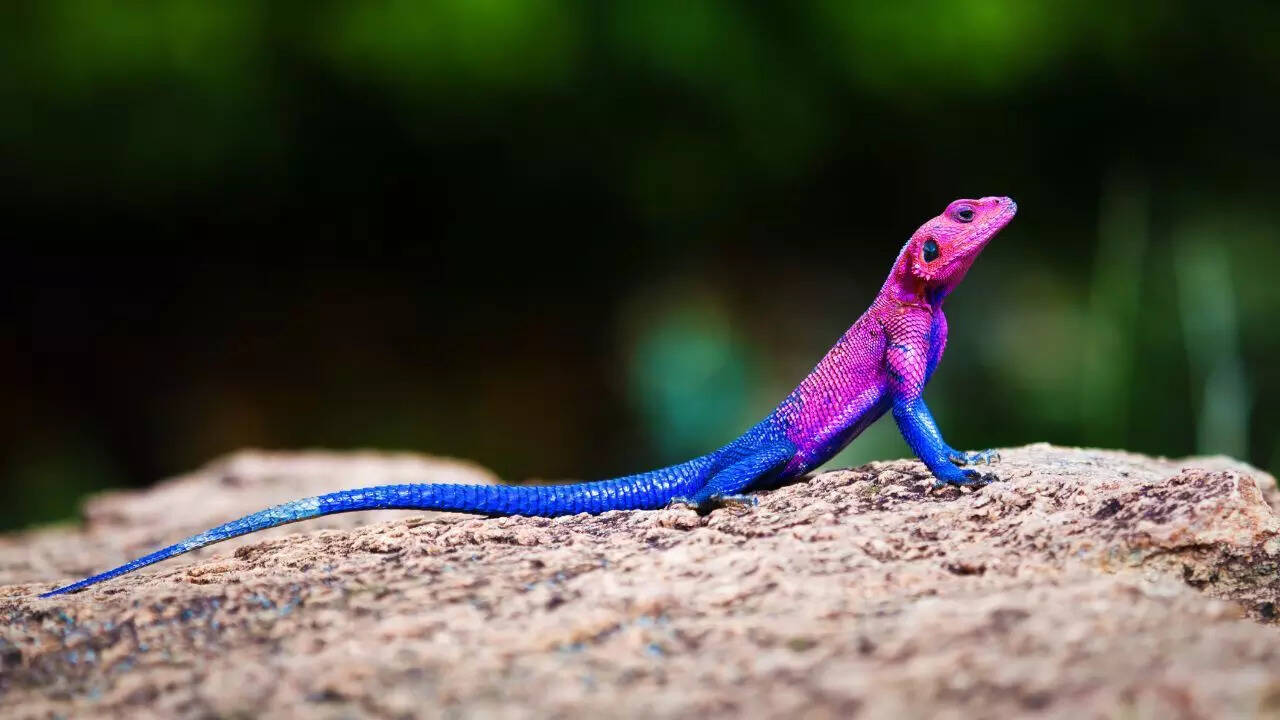
Dubbed the “Spider-Man Agama” for its striking resemblance to the superhero, this lizard sports a vibrant red head and a deep blue body. Males in Kenya, Rwanda, and Tanzania display these brilliant colors to attract females and deter rivals during mating season.
Southeast Asia’s Energetic Tokay Gecko
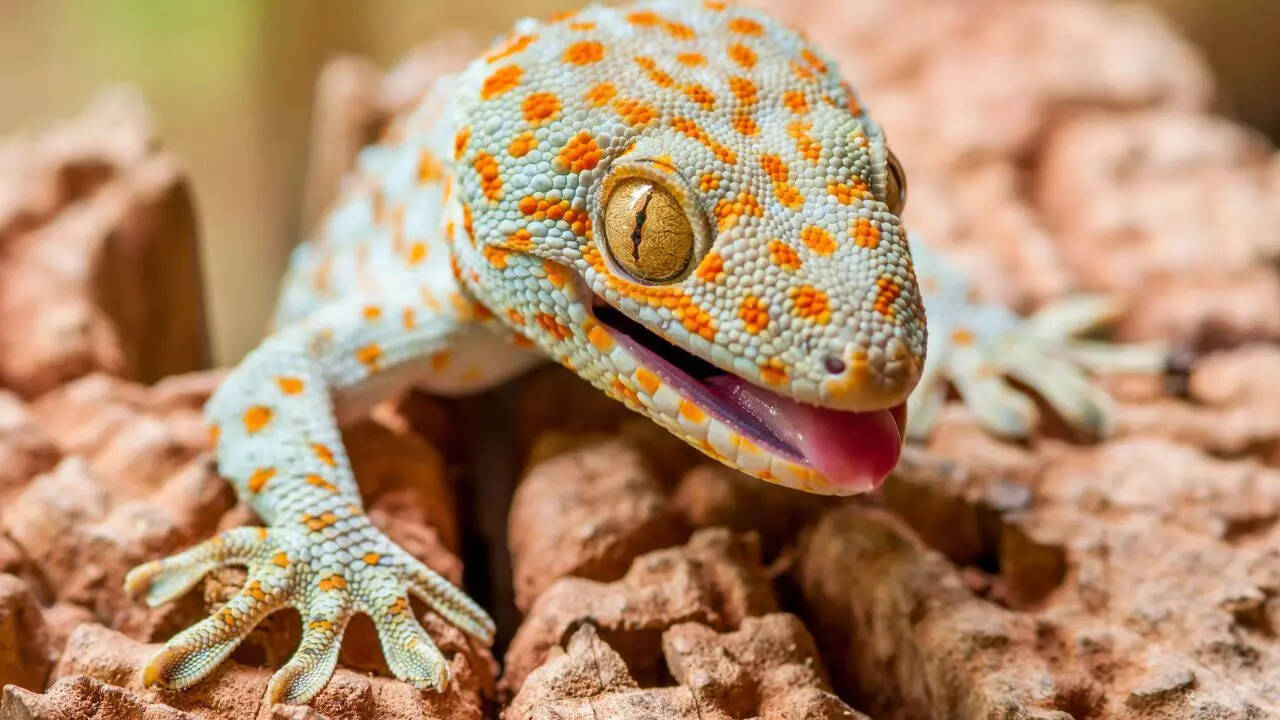
The Tokay gecko from Southeast Asia eschews subtlety with its blue-gray skin adorned with vivid orange spots. Beyond its striking appearance, it’s known for its loud, distinctive “to-kay!” call echoing through the humid nights.
The Rainbow Agama of Sub-Saharan Africa
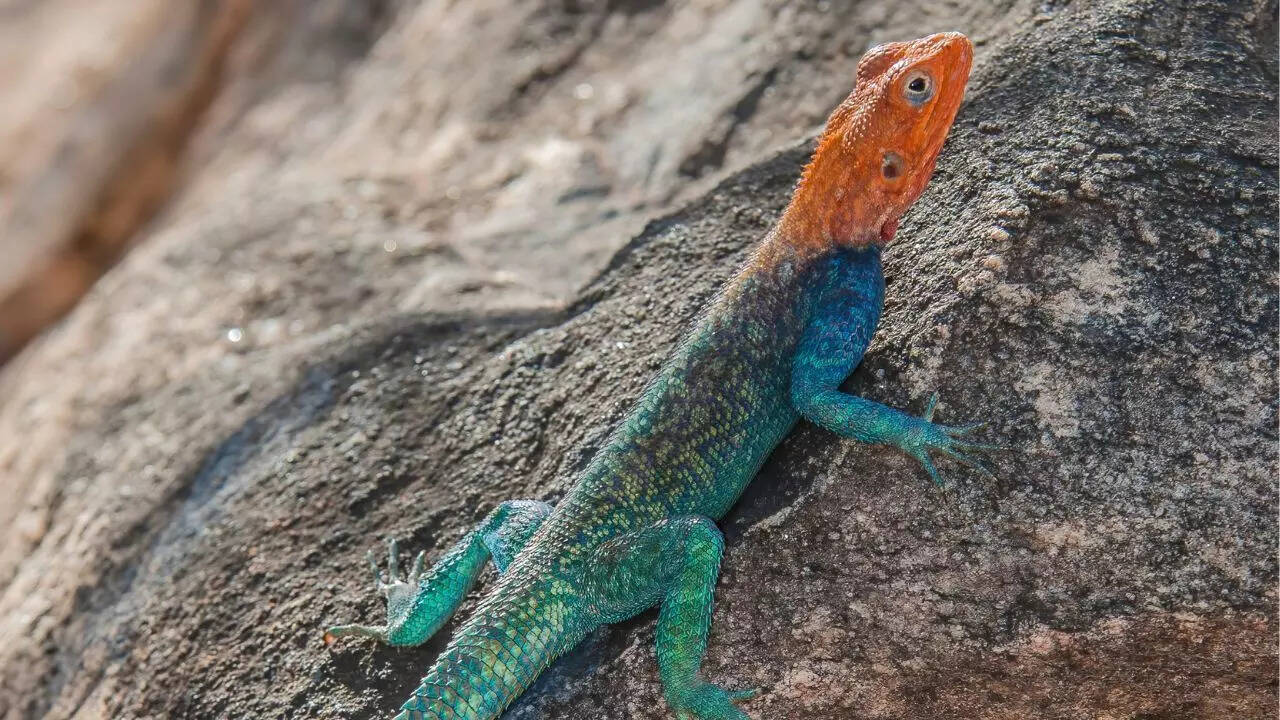
Males of the rainbow agama, found across sub-Saharan Africa, transform into a stunning mosaic of orange, red, and blue, particularly when basking in the sun. Their colors can dim when threatened or tired, acting as living mood indicators.
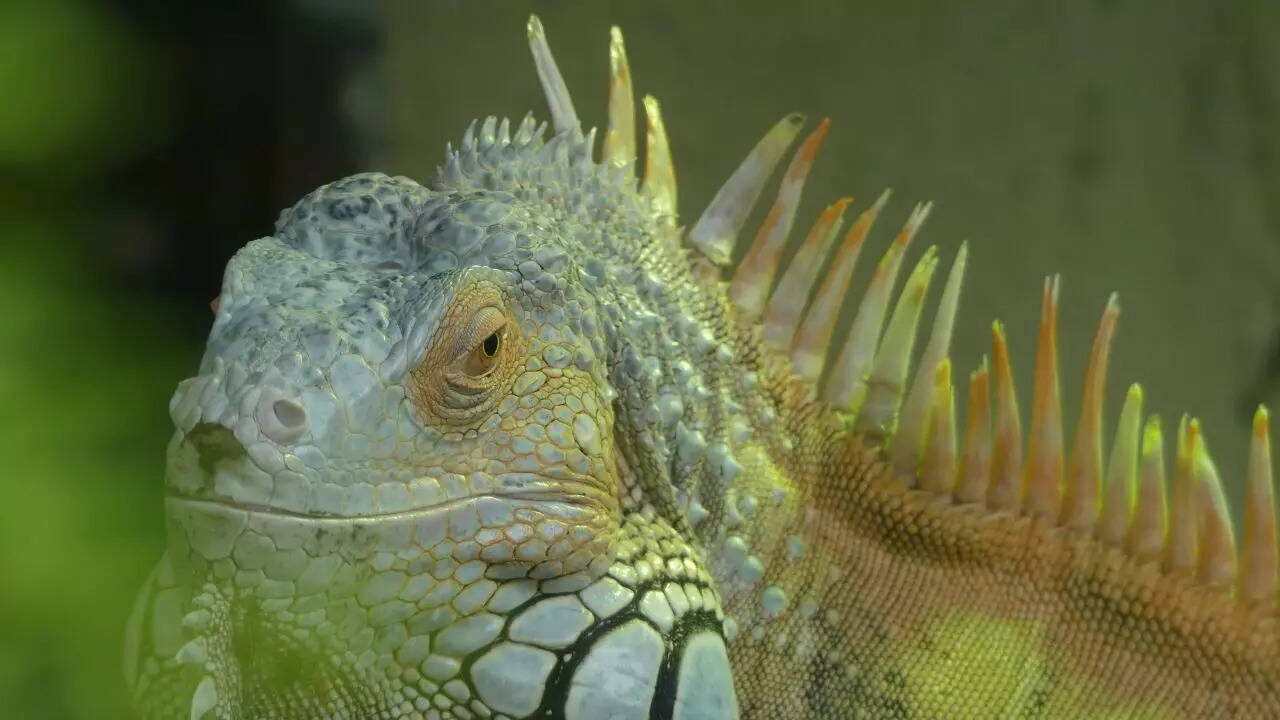
Central and South America’s Emerald Green Iguana
These large, tree-dwelling reptiles from Central and South America boast a striking lime-green skin. During breeding season, males may develop orange patches, and juveniles often exhibit brighter, neon shades that mellow with age.
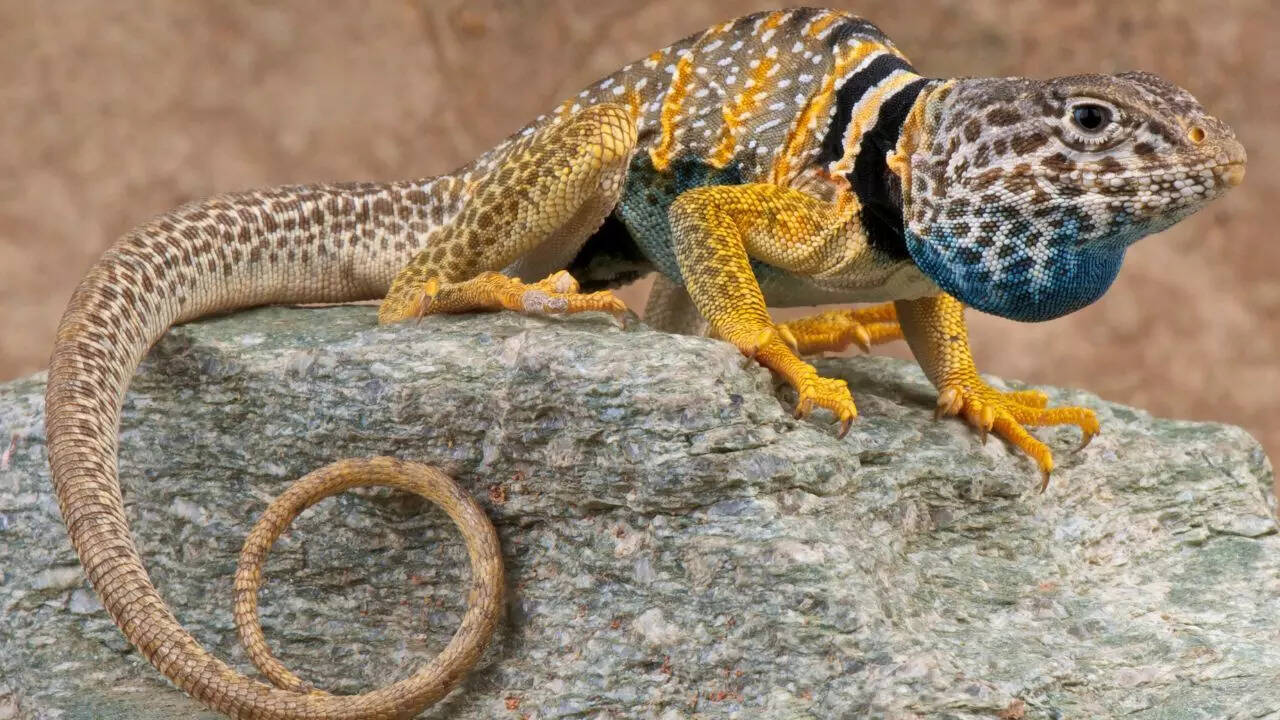
North America’s Swift Collared Lizard
Named for the distinctive black “collar” around its neck, this North American lizard captivates with a bright turquoise body, yellow head, and green tail. Remarkably, it can run on its hind legs when startled, reaching speeds of up to 16 miles per hour.
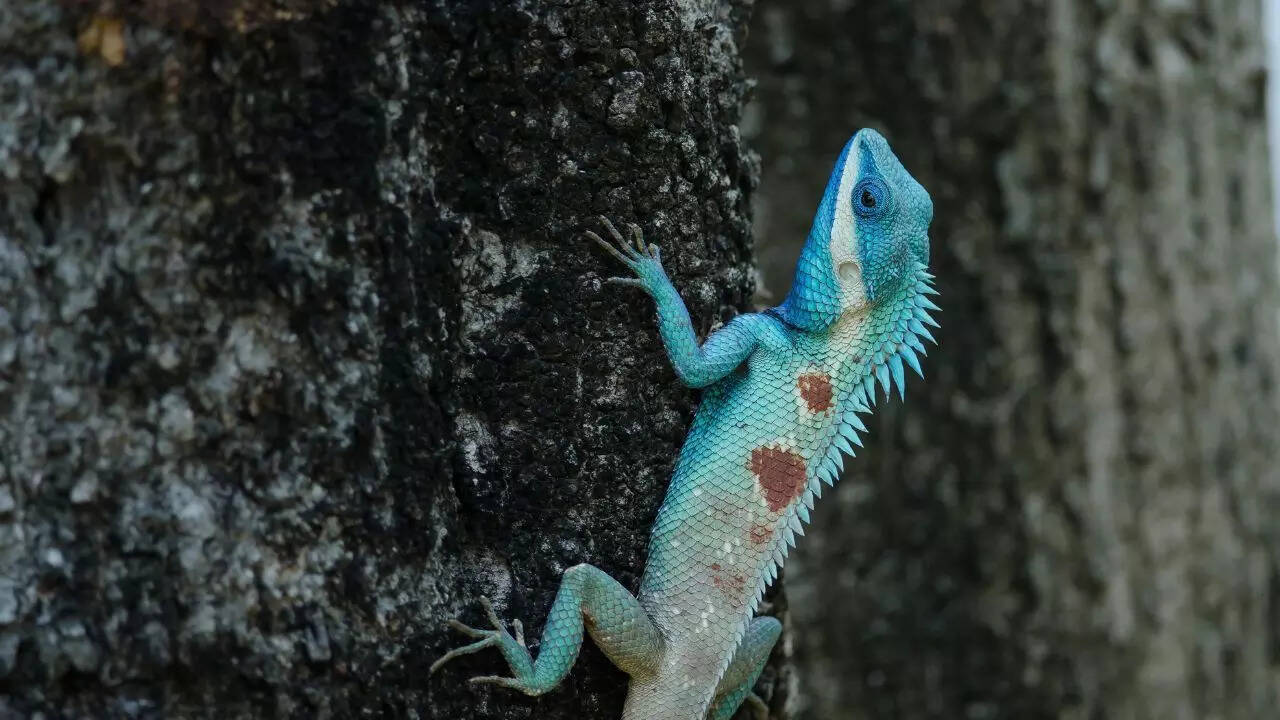
The Blue-Crested Lizard of Southeast Asia
Found in Thailand and Vietnam, this arboreal lizard features a vibrant turquoise crest, a pale underside, and often a touch of purple along its back. Its color can fluctuate based on its mood or ambient temperature.
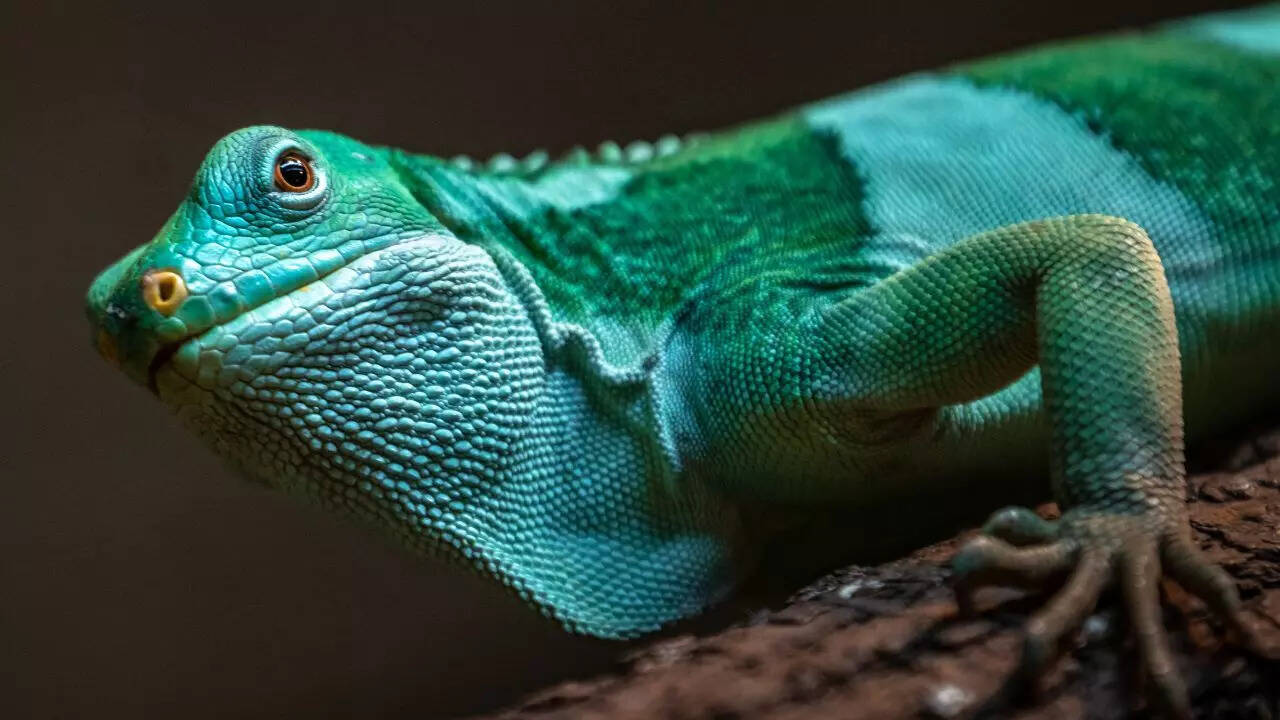
Fiji’s Endangered Banded Iguana
Exclusive to Fiji’s lush forests, the rare Fiji banded iguana displays a lime-green body accented with vertical bands of light blue or white. Sadly, habitat loss has made these stunning creatures endangered, adding to their preciousness.
Southern Europe’s Jeweled Lacerta
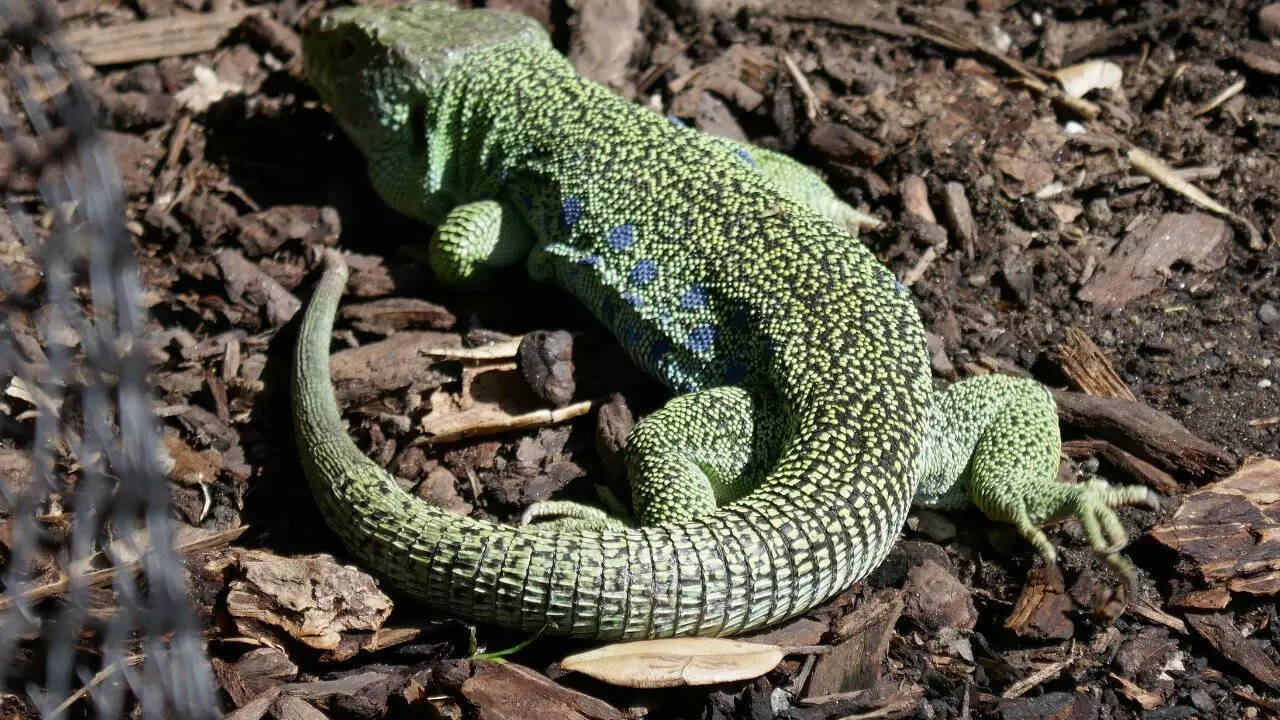
Also known as the “ocellated lizard,” this European resident boasts an emerald green body speckled with brilliant blue spots resembling gemstones. It’s one of the continent’s largest lizards, native to the Iberian Peninsula.
The Purpose Behind the Pigments
These striking colors serve crucial roles far beyond mere aesthetics. Unlike camouflage, these vibrant displays are integral to survival and reproduction. Brighter males often have an advantage in attracting mates, while vivid colors can signal dominance and ward off rivals.
Coloration also plays a part in thermoregulation, helping lizards absorb or reflect heat as needed. Furthermore, many species utilize color shifts as a sophisticated form of communication, conveying states like stress, aggression, or excitement. As a 2023 study published in *Nature Ecology & Evolution* noted, reptile coloration is a complex signal tied to environmental pressures and social interactions (Nature Ecology & Evolution).
In essence, color is a powerful language in the reptilian world. These dazzling lizards demonstrate that the animal kingdom is full of evolutionary artistry, challenging the perception of reptiles as solely drab creatures.