
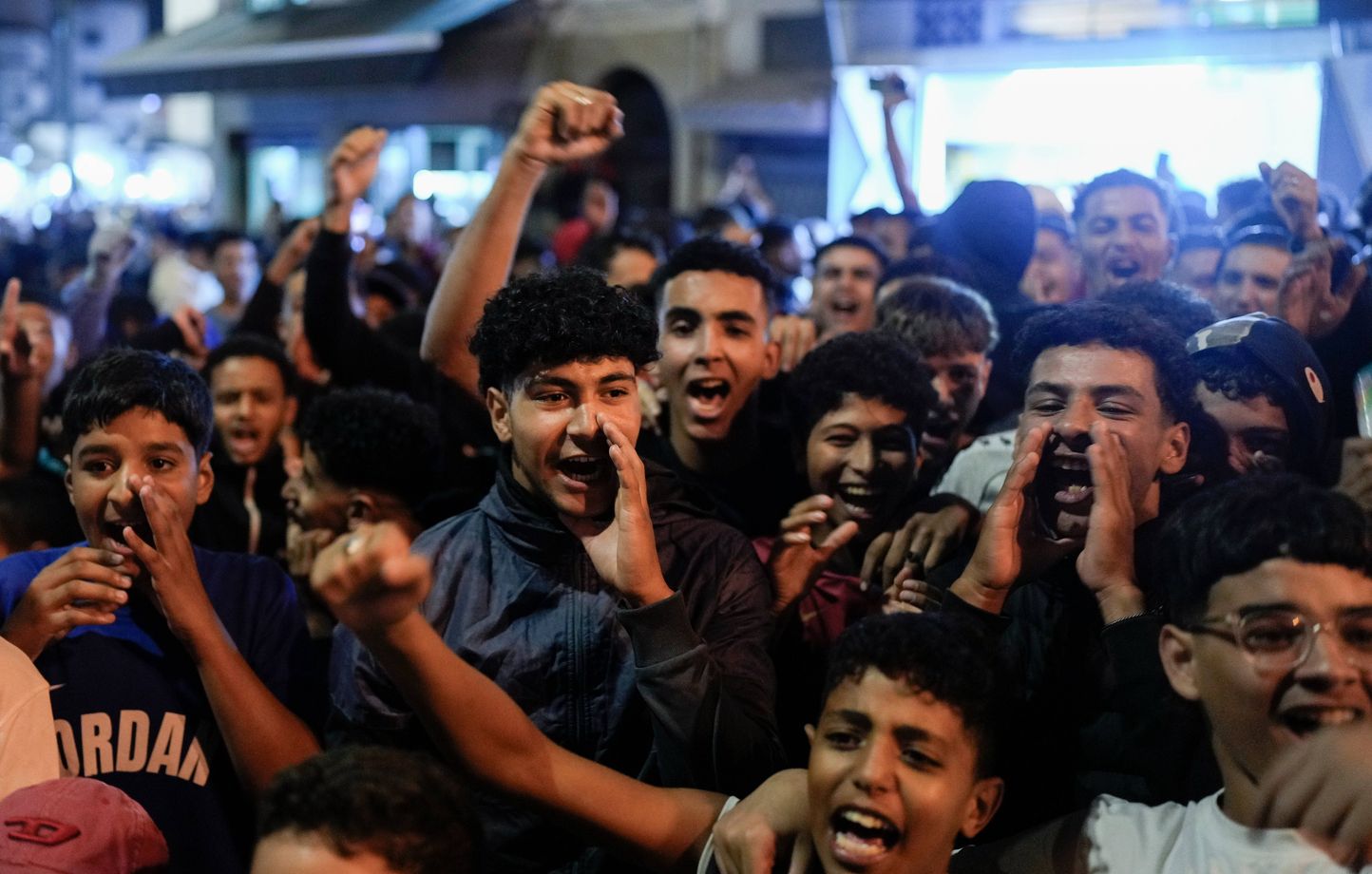
Protests in Morocco Erupt Over Social and Economic Grievances, Leading to Clashes and Arrests
demonstrations have been ongoing in Morocco sence Saturday, fueled by a youth-led movement calling for improvements to public services, particularly healthcare and education. The protests, originating from a social media group called Genz 212 on the Discord platform, have seen a surge in activity following the death of eight pregnant women in Agadir in mid-September due to complications at a local public hospital.
Genz 212, comprised of approximately 150,000 members and representing Morocco’s Generation Z (those born between 1997 and 2012), identifies as a non-political collective advocating for better living conditions. Demonstrators have been chanting slogans like “We do not want the World Cup, health is priority” and “the people want health and education,” highlighting discontent amidst the country’s preparations to co-host the 2030 World Cup and the 2025 African Cup of nations, which have spurred meaningful infrastructure projects.
While initially sporadic, the protests escalated into larger gatherings last weekend. Wednesday night saw a particularly violent incident near Agadir, where two individuals attempting to storm a gendarmerie after setting a vehicle and part of the building ablaze were killed by authorities. The individuals reportedly sought to sieze ammunition and service weapons.
Following the violence, authorities for the first time authorized demonstrations on Wednesday evening. However, prior demonstrations had already resulted in clashes with police and approximately 300 injuries. Around 400 people were arrested in connection with the unrest.The Moroccan Association of Human Rights reports that the vast majority have been released, but 134 individuals remain subject to legal proceedings, with six still currently in detention.
Genz 212 has publicly denounced violence and vandalism, stating its commitment to peaceful demonstrations and expressing loyalty to King Mohammed VI while distancing itself from traditional political parties. The collective describes itself as a space for discussion on issues like health, education, and corruption.