Skip to content
World Today News
  • Home
  • News
  • World
  • Sport
  • Entertainment
  • Business
  • Health
  • Technology
World Today News
  • Home
  • News
  • World
  • Sport
  • Entertainment
  • Business
  • Health
  • Technology
Thursday, March 5, 2026
World Today News
World Today News
  • Home
  • News
  • World
  • Sport
  • Entertainment
  • Business
  • Health
  • Technology
Copyright 2021 - All Right Reserved
Home » Metals/Mining
Tag:

Metals/Mining

Business

Gold Hits $5,000: The Ultimate Hedge Against Economic and Geopolitical Risks

by Priya Shah – Business Editor February 4, 2026
written by Priya Shah – Business Editor

Gold Breaks $5,000: Beyond Price, a Signal of Market Anxiety

Gold has surged past the $5,000 per ounce milestone, a level previously considered a distant target. But this isn’t simply a story about a rising commodity price. The ascent too $5,000, and the velocity of that climb, signals a profound shift in market sentiment – a desperate hedging against escalating global risks. Investors are no longer merely seeking gold as a store of value; they are actively flocking to it as a shield against potential systemic shocks.This article delves into the factors driving gold’s unprecedented rally, what the $5,000 level signifies, and what investors should consider moving forward.

The Road to $5,000: A Convergence of Factors

The recent surge in gold prices isn’t attributable to a single catalyst, but rather a confluence of interconnected global events. While anticipation of Federal Reserve interest rate cuts has played a role, the underlying drivers are far more complex and concerning.

* Geopolitical Instability: The ongoing conflicts in Ukraine and the Middle East, coupled with rising tensions in the South China Sea, have fueled a notable increase in geopolitical risk. The Council on Foreign Relations provides ongoing analysis of global conflicts. Gold traditionally thrives in times of geopolitical uncertainty, acting as a safe haven asset when faith in traditional markets wanes.
* Inflationary Pressures: Despite recent moderation, inflation remains a persistent concern in manny major economies. While central banks have been aggressively tightening monetary policy, supply chain disruptions, rising energy costs, and robust consumer demand continue to exert upward pressure on prices. The U.S. Bureau of Labor Statistics provides detailed inflation data. Gold is often viewed as an inflation hedge, as its value tends to hold up better than fiat currencies during periods of rising prices.
* Central Bank Demand: Central banks globally have been accumulating gold reserves at an unprecedented rate. According to the World Gold Council, central bank gold purchases reached a record 1,037 tonnes in 2022 and remained strong in 2023. The World Gold Council publishes comprehensive data on gold demand and supply. This trend is driven by a desire to diversify away from the U.S. dollar and reduce reliance on traditional reserve currencies.
* Dollar Weakness: A weakening U.S. dollar generally supports gold prices, as it makes the metal cheaper for investors holding other currencies. While the dollar has shown some resilience, concerns about the U.S. national debt and potential for future fiscal instability are contributing to long-term dollar skepticism. The U.S.Department of the Treasury provides information on the national debt.
* Financial System Concerns: The banking turmoil experienced in early 2023, with the collapses of Silicon Valley Bank and Signature Bank, highlighted vulnerabilities within the financial system. the Federal Deposit Insurance corporation (FDIC) provides information on bank failures. These events prompted investors to seek safer assets, further boosting demand for gold.

$5,000: A Psychological and Technical Threshold

Reaching $5,000 isn’t just a numerical achievement; it represents a significant psychological and technical barrier.

* Psychological Impact: The $5,000 level is a round number that captures attention and can trigger further buying momentum. It reinforces the narrative of gold as a reliable store of value and a hedge against systemic risk.
* Technical Analysis: From a technical perspective, breaking through $5,000 suggests that gold has entered a new, higher trading range. This can attract momentum traders and algorithmic investors, further accelerating the price increase. Analysts are now watching for key support levels to hold, which will indicate whether the rally has staying power.
* Shifting Focus to Holding Price: As previously noted, the focus is shifting from at what price gold trades to at what price it’s being held. This signifies a change in investor behavior – a move towards long-term accumulation rather than short-term speculation. The willingness to pay a premium for gold reflects a growing conviction that the risks facing the global economy are substantial and likely to persist.

What is Gold Hedging Against Now?

The question now isn’t if gold will continue to rise, but what are markets hedging against at this elevated price? The answer is multifaceted.

* Systemic Financial Risk: The vulnerabilities exposed in the banking sector in 2023 haven’t been fully addressed. Concerns remain about the potential for further instability, particularly in the context of rising interest rates and high levels of debt. Gold is being used to hedge against the possibility of a broader financial crisis.
* De-Dollarization: The increasing trend of central banks diversifying away from the U.S. dollar is a significant development. countries like Russia and China are actively seeking alternatives to the dollar for trade and reserve holdings. [Reuters reported on China’s efforts to promote Yuan use in trade](https://www.reuters.com/markets/currencies/china-pushes-yuan-use-trade-settlements

February 4, 2026 0 comments
0 FacebookTwitterPinterestEmail
Business

Gold Surges Past $5,000/oz: Trump‑Driven Market Moves Explained

by Priya Shah – Business Editor February 3, 2026
written by Priya Shah – Business Editor

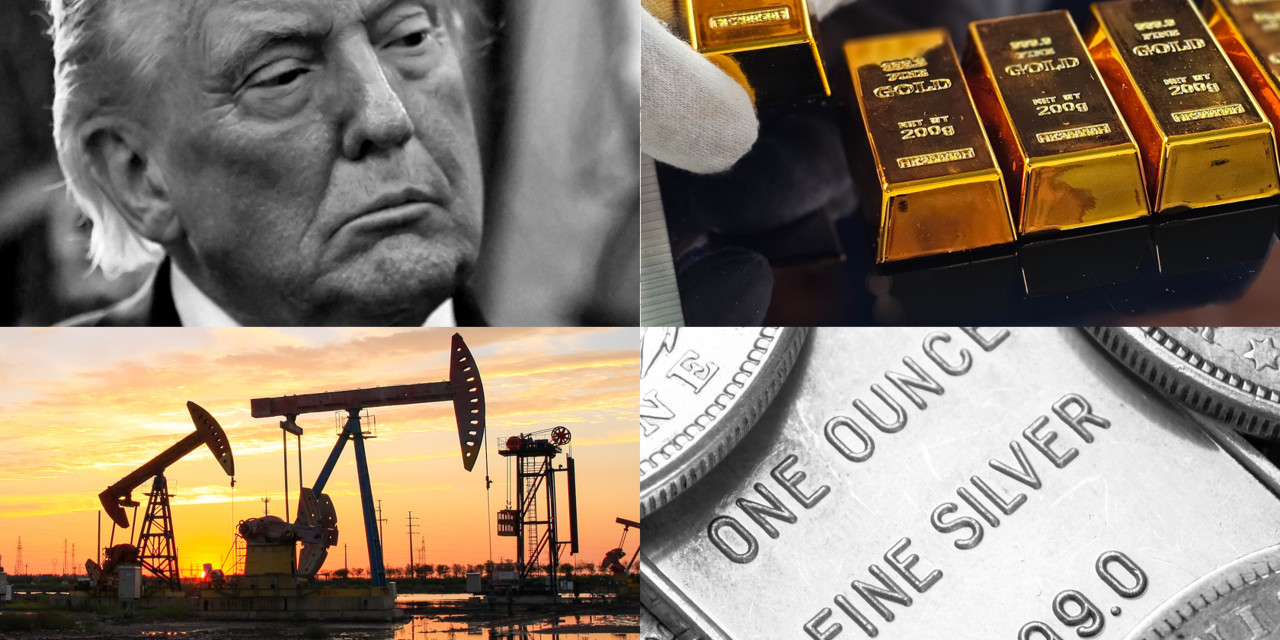
Gold and silver have reached record highs,marking a substantial increase over the past year. This ⁢surge is⁢ largely attributed to significant market events,manny of which⁤ are⁣ connected to actions and policies associated⁣ with former ‍President Donald trump.

Throughout 2023 and⁢ into‍ early 2024, geopolitical tensions, economic uncertainty, and shifts in monetary policy fueled investor ⁣interest in ​precious metals as safe-haven assets. The ongoing conflicts⁢ in ⁢ukraine and the Middle East,⁣ coupled with concerns about global economic​ slowdown, drove demand for gold ‍and ⁤silver. Reuters Commodities provides ongoing ‍coverage of thes market dynamics.

several specific actions during the Trump governance and ⁤subsequent events have contributed to the ‍price increases. These ⁤include trade disputes with China, which ​created economic instability, and ‌the resulting impact on global ​markets. The council on Foreign Relations ‍offers in-depth ⁣analysis of US-China trade relations.

Furthermore, the Federal Reserve’s monetary policy, including interest rate adjustments and‌ quantitative easing measures ‌implemented both during and after the Trump presidency, has played a role. ⁣Lower interest rates generally make gold more attractive as an investment, as ⁣it doesn’t yield interest itself. The Federal Reserve website provides detailed ⁣facts on monetary policy.

The ⁣weakening of the U.S. dollar during⁢ certain periods also bolstered precious metal prices. A weaker dollar makes gold and silver‌ cheaper for investors holding other currencies. U.S. Department of the Treasury provides data on interest ⁣rates and currency values.

More recently, increased demand from central banks globally, notably those diversifying away⁣ from the U.S. ⁢dollar, has further supported gold prices. The World Gold Council ‌publishes regular reports on central ⁢bank gold purchases and market trends.

Silver, often considered⁢ a hybrid between a precious metal and an industrial metal, has ‌benefited from both safe-haven demand​ and ​expectations of increased industrial usage, particularly in the renewable energy sector. The Silver Institute provides ‍comprehensive ‌data​ and analysis on⁢ the silver market.

February 3, 2026 0 comments
0 FacebookTwitterPinterestEmail
Business

China’s Green Energy Loses $60B Annually, Yet Investors Keep Pouring Money

by Priya Shah – Business Editor January 30, 2026
written by Priya Shah – Business Editor

“`html


China’s Energy Paradox: Leading in ‌Renewables⁢ While Reliant on Coal

China’s Energy Paradox: Leading in Renewables While Reliant on Coal

China is globally recognized⁣ for its significant investments and advancements in renewable energy technologies.However, beneath the surface of this green‌ image lies a continued, substantial reliance on coal, which remains the dominant ⁤power source for the⁣ nation. This creates a complex energy paradox, shaping both China’s domestic policies and its role on the international stage.

The ​Rise of Renewable Energy in China

China has become​ a world ‍leader ‌in⁣ renewable energy capacity. It’s the largest producer of ⁢solar power⁤ and wind energy, and has made substantial investments in hydropower and nuclear energy.This commitment is driven by several factors,including reducing air pollution,addressing​ climate⁤ change concerns,and achieving energy security. According to the National Energy ⁤Administration, China’s installed renewable energy ​capacity reached over 2.68 terawatts by the end of 2023. [National Energy Administration]

  • Solar Power: China accounts for approximately 40% of global solar photovoltaic (PV) capacity. [IEA Renewables 2023]
  • wind Power: China has the largest installed wind⁢ power capacity‍ globally, exceeding 300 gigawatts.‍ [WindEurope]
  • Hydropower: China operates the world’s largest hydropower facilities, including the Three Gorges Dam.
  • Electric Vehicle (EV) Leadership: China is the world’s largest EV market, driving demand for cleaner energy sources.

The continued⁣ Dominance of Coal

Despite the rapid growth of renewables, coal remains the cornerstone of ⁣China’s energy system. ‍In 2023, coal accounted for over 56% of China’s‌ total energy consumption. [BP Statistical Review of World Energy 2023] This reliance is due to several factors:

  • Energy Demand: ​ china’s massive economic growth and population require enormous amounts of energy.
  • Coal ⁤Availability: China possesses significant domestic ‍coal‌ reserves, making it a readily ​available and relatively inexpensive energy source.
  • infrastructure: Existing power ⁢plants and infrastructure are largely coal-based, representing a substantial sunk cost.
  • Energy Security Concerns: Maintaining a diverse energy⁤ mix, including coal, is⁣ seen as crucial for energy security.

The Contradictions and Challenges

China’s dual track ⁣– investing heavily in renewables while continuing⁤ to rely on coal – presents ‍several⁢ contradictions and challenges:

“China’s continued reliance ‍on coal is a major obstacle ‍to ‌global efforts to limit climate change. While its renewable energy deployment is notable, it⁤ is not yet sufficient to offset the emissions from its coal-fired power plants.” – Carbon ⁢Brief

  • Air Pollution: ‍ coal combustion is​ a major ​source of air pollution,contributing‌ to health problems and environmental damage.
  • Climate Change: Coal is the​ most ⁣carbon-intensive fossil ⁤fuel,and its continued⁤ use hinders China’s efforts to meet its climate ⁢commitments under‌ the Paris Agreement.
  • International Criticism: China faces international pressure to⁣ reduce its coal consumption and accelerate ⁢its transition to cleaner energy sources.
  • Stranded assets: As the world moves towards a low-carbon future, China risks having significant stranded assets in the form of coal-fired power plants.

Future⁢ Outlook and ⁢Policy Shifts

China has announced plans to peak carbon ⁣emissions

January 30, 2026 0 comments
0 FacebookTwitterPinterestEmail
Business

2026 Inflation Outlook: Portfolio Managers Warn of Rising Prices

by Priya Shah – Business Editor January 20, 2026
written by Priya Shah – Business Editor

Inflationary Pressures Mount: Why 2026 Could See a Price Surge

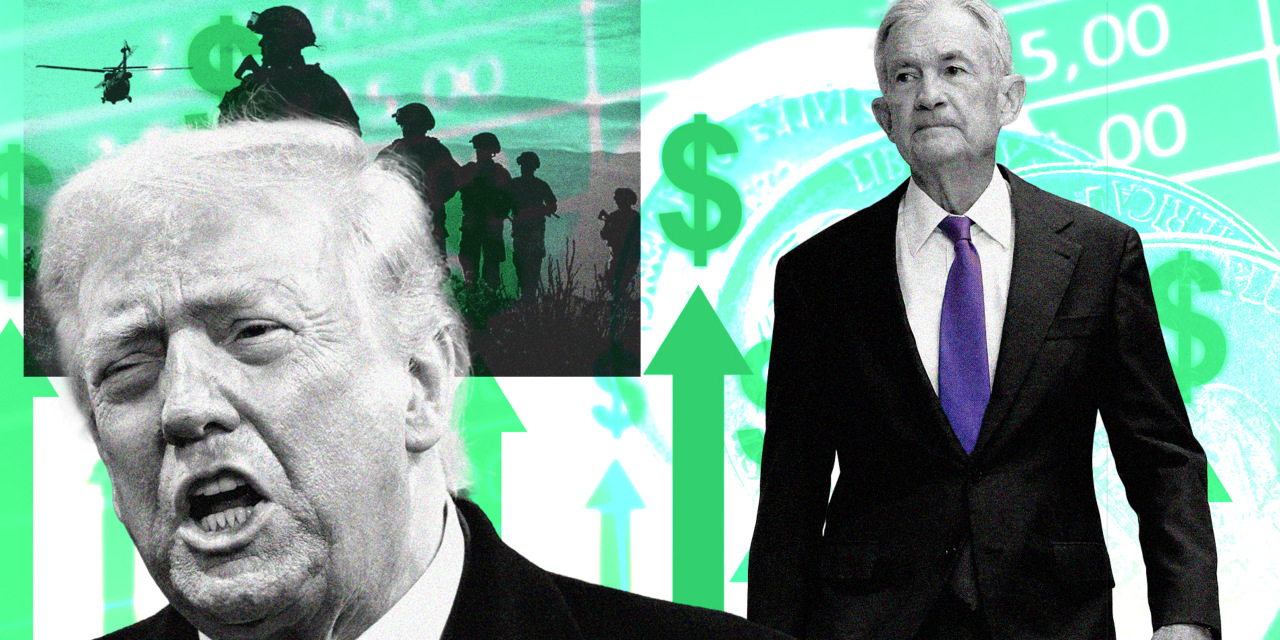
Traders who’ve bet on a steady decline or stabilization of prices in 2026 may be in for a surprise. A confluence of factors – rapidly increasing metals prices, escalating geopolitical tensions, and growing concerns about the Federal reserve’s independence – is creating a potent mix that could push inflation higher than currently anticipated. This article delves into these forces, examining their potential impact on the economy and what it means for investors and consumers.

The Rising Tide of Metals Prices

Metals, frequently enough considered a bellwether for economic health, have been experiencing a critically important price surge. This isn’t limited to a single metal; copper,aluminum,nickel,and even precious metals like gold and silver are all seeing upward pressure. Several factors contribute to this trend.

Demand from Green Energy Transition

The global push towards renewable energy and electric vehicles is dramatically increasing demand for metals crucial in these technologies. Such as, copper is essential for electrical wiring, and lithium, nickel, and cobalt are vital components of batteries. According to a report by the International energy Agency (IEA),demand for critical minerals used in clean energy technologies could increase sixfold by 2030 [IEA Report]. This surge in demand is straining supply chains.

Supply Chain Disruptions

Geopolitical instability and logistical bottlenecks continue to disrupt the supply of these essential metals. Mining operations in key regions are facing challenges, and transportation costs remain elevated. The COVID-19 pandemic exposed vulnerabilities in global supply chains, and these issues haven’t fully resolved.

Speculation and Investment

Increased investor interest in metals as a hedge against inflation and economic uncertainty is also driving up prices. Commodity trading and investment funds are allocating capital to metals, further exacerbating the supply-demand imbalance.

Geopolitical Risks: A Volatile landscape

The world is facing a period of heightened geopolitical risk, with conflicts and tensions in several regions. These events have a direct impact on inflation through multiple channels.

Energy Prices

Conflicts, especially in energy-producing regions, can disrupt oil and gas supplies, leading to higher energy prices. The war in Ukraine, as an example, caused a significant spike in energy costs globally [Reuters – Oil Prices]. Higher energy prices ripple through the economy, increasing transportation costs and the price of goods and services.

Trade Disruptions

Geopolitical tensions can lead to trade wars and protectionist measures, disrupting global trade flows and increasing costs for businesses and consumers. Tariffs and trade barriers add to the price of imported goods, contributing to inflationary pressures.

Increased Defense Spending

Escalating geopolitical risks often prompt governments to increase defense spending, diverting resources from other areas of the economy and potentially contributing to inflationary pressures.

Threats to federal Reserve Independence

The Federal Reserve’s ability to effectively manage inflation relies on its independence from political interference. Recent events have raised concerns about potential threats to this independence.

Political Pressure

Increased political pressure on the Fed to prioritize short-term economic growth over price stability could lead to a delay in raising interest rates or even a premature easing of monetary policy. This could fuel inflation and erode the Fed’s credibility.

Fiscal Policy Conflicts

Expansionary fiscal policies, such as increased government spending or tax cuts, can stimulate demand and contribute to inflation. If these policies are not coordinated with the Fed’s monetary policy, they can create conflicting signals and undermine the Fed’s efforts to control inflation.

impact on Credibility

Any perceived erosion of the Fed’s independence could undermine its ability to anchor inflation expectations. If businesses and consumers lose confidence in the Fed’s commitment to price stability, they may start to anticipate higher inflation, leading to a self-fulfilling prophecy.

What Does This Mean for 2026?

the combination of these factors suggests that the risk of higher-than-expected inflation in 2026 is significant. While the Fed has been actively working to curb inflation, these external pressures could make its job much more tough.

Impact on Interest Rates

If inflation remains stubbornly high, the Fed may be forced to continue raising interest rates, potentially slowing economic growth and increasing the risk of a recession.

Impact on Investments

Investors may need to adjust their portfolios to account for the possibility of higher inflation. this could involve increasing allocations to inflation-protected securities, such as Treasury Inflation-Protected Securities (TIPS), and commodities.

Impact on Consumers

Consumers could continue to face higher prices for goods and services, eroding their purchasing power. ItS crucial to budget carefully and prioritize essential spending.

Frequently Asked Questions (FAQ)

  • What is the biggest driver of current inflation? While multiple factors contribute, supply chain disruptions stemming from geopolitical events and increased demand for materials used in the green energy transition are major drivers.
  • How does the Federal Reserve combat inflation? The Fed primarily uses monetary policy tools, such as raising interest rates and reducing its balance sheet, to cool down the economy and curb inflation.
  • What are TIPS and how can they help? Treasury Inflation-Protected Securities (TIPS) are bonds whose principal is adjusted based on changes in the Consumer Price Index (CPI), offering protection against inflation.
  • Could these factors lead to stagflation? It’s a possibility. Stagflation, a combination of high inflation and slow economic growth, could occur if the Fed is unable to effectively control inflation without triggering a recession.

Key Takeaways

  • Soaring metals prices, driven by demand and supply constraints, are contributing to inflationary pressures.
  • Geopolitical risks, particularly conflicts and trade disruptions, are exacerbating these pressures.
  • Threats to the Federal Reserve’s independence could undermine its ability to effectively manage inflation.
  • The combination of these factors increases the risk of higher-than-expected inflation in 2026.
  • Investors and consumers should prepare for the possibility of continued price increases and adjust their strategies accordingly.

2026/01/20 17:00:11

January 20, 2026 0 comments
0 FacebookTwitterPinterestEmail
Business

2026 Commodities Supercycle: Gold, Silver, Energy Stocks Surge

by Priya Shah – Business Editor January 13, 2026
written by Priya Shah – Business Editor

Here’s a breakdown of the key information from the provided text:

* Boom in Hard Assets: Parts of the financial market related to physical assets (like commodities) are experiencing a potentially prolonged boom.
* Reasons for the Boom: This is driven by the ability of these assets to:
* Hold their value over time.
* Resist market fluctuations.
* Act as a hedge against inflation.
* Strong Performance in Early 2026 (Note: likely a typo, should be 2024):
* Materials Stocks: Up 6.4% as the start of the year (within the S&P 500).
* Energy Stocks: Up 4.3% sence the start of the year (within the S&P 500).
* Gold (GC00): Up almost 3.7% in January, following a 64% increase in 2025.
* Silver (SI00): Up 12.4% in January, following a 141% increase in 2025.
* indices Mentioned:
* XX:SP500.15
* XX:SP500.10
* SPX (S&P 500)

Vital Note: The text mentions performance “so far in 2026”.This is likely a typo adn should be “2024” given the current date. The 2025 performance figures are also unusual to see reported so early in 2026.

January 13, 2026 0 comments
0 FacebookTwitterPinterestEmail

Search:

Recent Posts

  • Song Ping, Former Top Chinese Leader, Dies at 109

    March 4, 2026
  • WV High School Wrestling: State Tournament Preview – Cameron, Oak Glen & More

    March 4, 2026
  • Regional & National Football League Selection | France Football Matches

    March 4, 2026
  • Gnocchi Parisienne: Recipe & Wine Pairing for Airy Cheese Dumplings

    March 4, 2026
  • Matsuoka’s Instagram Live Stream Interrupted by Alarm | Gaming Incident

    March 4, 2026

Follow Me

Follow Me
  • Privacy Policy
  • About Us
  • Accessibility statement
  • California Privacy Notice (CCPA/CPRA)
  • Contact
  • Cookie Policy
  • Disclaimer
  • DMCA Policy
  • Do not sell my info
  • EDITORIAL TEAM
  • Terms & Conditions

@2025 - All Right Reserved.

Hosted by Byohosting – Most Recommended Web Hosting – for complains, abuse, advertising contact: contact@world-today-news.com


Back To Top
World Today News
  • Home
  • News
  • World
  • Sport
  • Entertainment
  • Business
  • Health
  • Technology
World Today News
  • Home
  • News
  • World
  • Sport
  • Entertainment
  • Business
  • Health
  • Technology
@2025 - All Right Reserved.

Hosted by Byohosting – Most Recommended Web Hosting – for complains, abuse, advertising contact: contact@world-today-news.com