
Sinaloa Cartel Leader’s Plea Sparks Political Scrutiny in Mexico
The guilty plea of Jesús ”El Mayo” Zambada,a high-ranking leader of the Sinaloa Cartel,is sending ripples through mexican politics,reviving old allegations of campaign funding from illicit sources and raising new questions about a recent kidnapping and alleged cover-up. Zambada, facing a life sentence and $15 billion in asset forfeiture, admitted responsibility for the violence caused by the cartel and offered an apology to those affected by his actions.
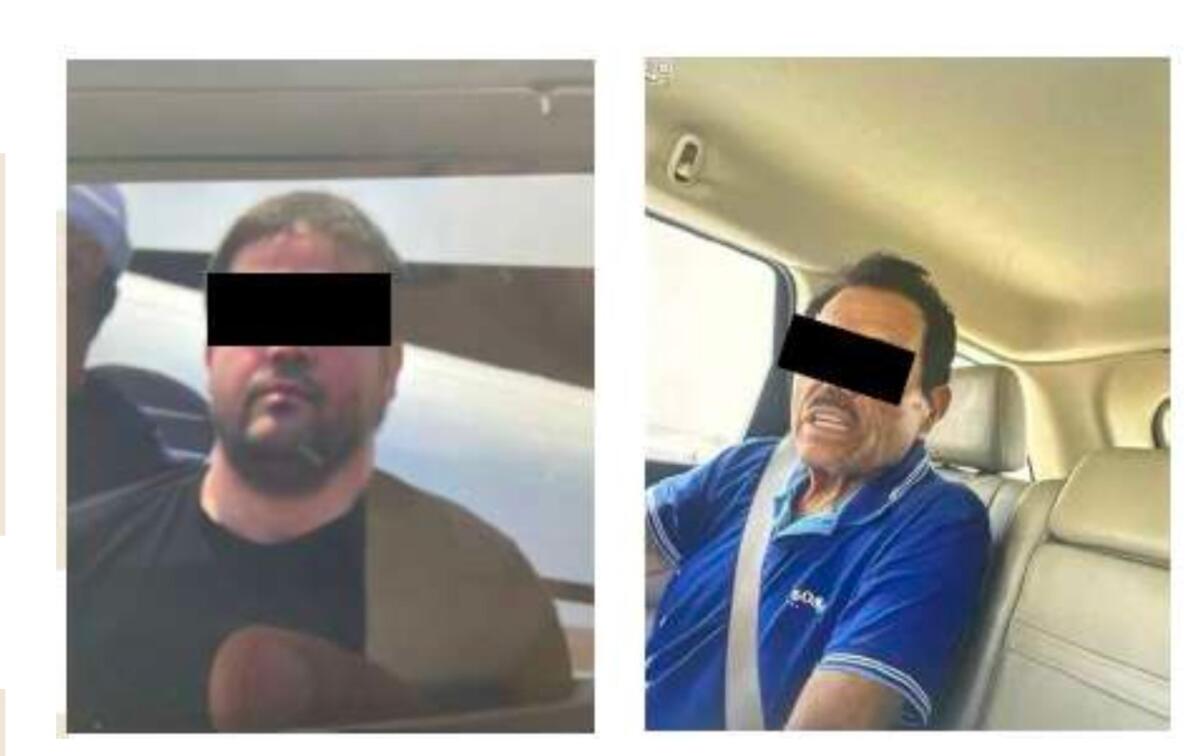
Zambada’s cooperation with U.S. authorities is expected to focus on identifying corrupt officials who aided the cartel, including within the military and police forces.This prospect has reportedly caused anxiety among Mexico’s political elite. The timing of his plea coincides with heightened tensions surrounding the alleged kidnapping of Zambada by associates of Joaquín “El Chapo” Guzmán’s son, and the subsequent arrest of “El Mayo” himself.
The case has also brought renewed attention to claims that Zambada provided financial support to President Andrés Manuel López Obrador’s 2006 presidential campaign. Rey, a witness in previous trials, recalled paying Zambada money that was reportedly intended for the campaign. While previous legal proceedings were limited by judicial orders and failed to definitively prove the connection, the current climate of scrutiny is fueling speculation. López Obrador, now of the Morena party, previously championed a “hugs not bullets” approach to combating organized crime.
Further complicating matters is the death of Héctor Melesio Cuén, a former mayor of Culiacán, who was found shot to death on the day of Zambada’s arrest.Zambada had claimed he was invited to a meeting intended to mediate a dispute between Cuén and Rubén Rocha Moya, the current Governor of Sinaloa, both of whom are members of the Morena party. Rocha Moya denies any involvement in a kidnapping plot, citing flight records showing he was on a family trip to los Angeles at the time.
Mexican federal authorities have raised concerns about the investigation into Cuén’s death, specifically citing the unusual and rapid cremation of his body. This has added to suspicions of a potential cover-up.
Guillermo Valdes Castellanos, a former head of Mexico’s national intelligence agency, believes Zambada’s plea will compel U.S. authorities to aggressively pursue information about politicians who protected the cartel leader.
Since Zambada’s arrest, Sinaloa has experienced increased violence due to clashes between a faction led by his son, Mayito Flaco, and Los chapitos. Following the court hearing in brooklyn, Zambada’s lawyer issued a plea for calm in Sinaloa, urging residents to avoid violence and work towards peace and stability.