
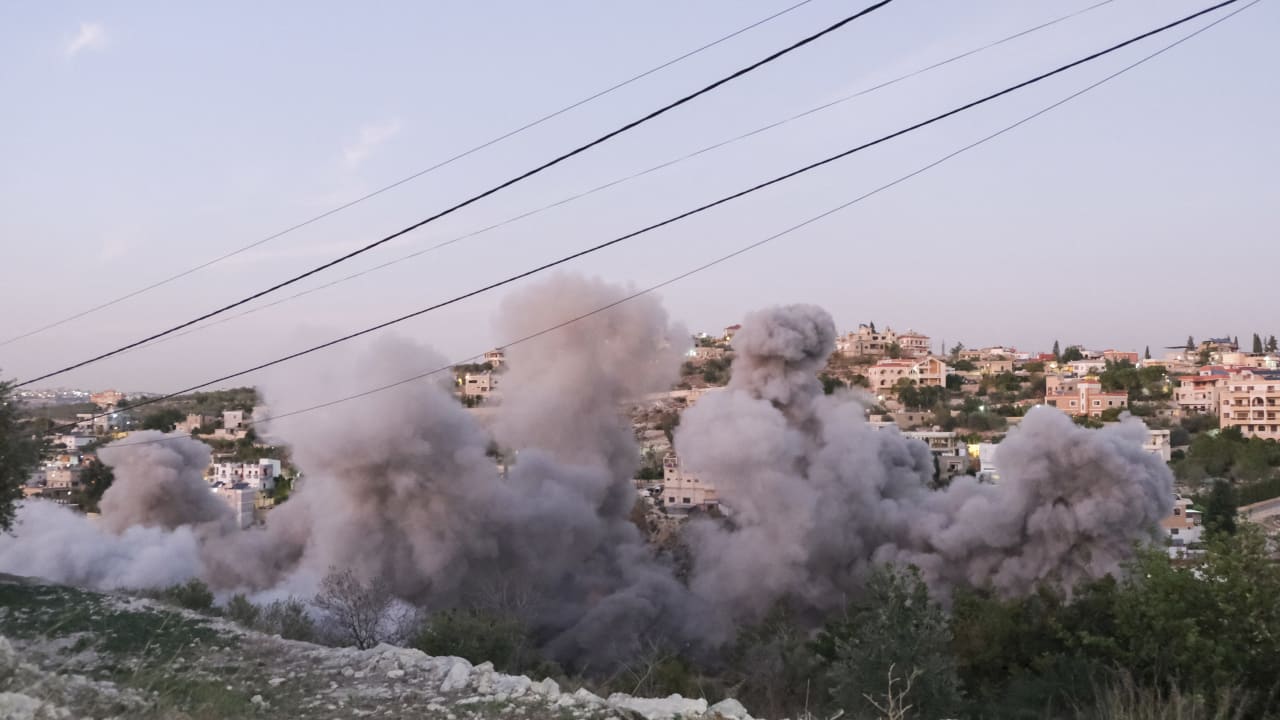
The Israel Defense Forces have escalated strikes targeting Hezbollah and Islamic Jihad operatives in Lebanon in recent days, reportedly in preparation for a potential conflict with Iran, according to N12 News.
The IDF’s increased activity, which includes attacks on rocket launchers and weapons storage sites, aims to degrade Hezbollah’s capabilities and prevent the group from assisting Iran in a possible future confrontation, the report stated. Since the beginning of February, the IDF has killed 12 Hezbollah and Islamic Jihad terrorists operating in Lebanon, according to Maariv.
On Monday, the IDF confirmed that its 91st Division had killed four Hezbollah operatives over the past week who were working to rebuild the organization’s infrastructure in Lebanon. One of the terrorists killed earlier that day in the Tallouseh area of southern Lebanon was responsible for liaising between Hezbollah and local residents, facilitating the seizure of private property for terrorist purposes, the IDF said.
This latest strike marked the second Hezbollah operative killed by the IDF in Lebanon within a 12-hour period, according to a Monday statement.
The current escalation follows a ceasefire implemented in November 2024, ending intensive Israeli military operations triggered by Hezbollah attacks that began the day after the October 7, 2023, attacks in southern Israel. During that conflict, Israeli military action significantly weakened Hezbollah’s forces and leadership.
Despite the ceasefire, the IDF has continued to conduct strikes against operatives engaged in activities that violate the terms of the agreement. In November, the IDF reported killing over 370 Hezbollah fighters since the ceasefire began, and in December, the military said the group had committed approximately 1,900 ceasefire violations.
The increased IDF activity coincides with upcoming meetings regarding the disarmament of Hezbollah. The Lebanese Army Commander is scheduled to present the second phase of a plan to consolidate weapons under state control north of the Litani River to the Lebanese cabinet on Monday. However, Hezbollah has refused to relinquish its weapons, maintaining that UN Security Council Resolution 1701 applies only to areas south of the Litani River.
A ceasefire monitoring panel and a planned aid conference in Paris on March 5 add further complexity to the situation, as diplomatic efforts to resolve the ongoing tensions remain stalled.