
Marine Mammal Protection Act Under Scrutiny: A Fight for Ocean Life
Table of Contents
Monterey Bay, CA - A recent encounter between a researcher and a harbor seal highlights the complex relationship between humans and marine mammals, and the ongoing debate surrounding their protection. The incident, where a 200-pound seal interfered with ongoing DNA collection, underscores the need for continued vigilance and robust legal frameworks like the Marine Mammal Protection Act (MMPA).
A History of Protection
The modern era of marine mammal conservation began in the late 1960s, spurred by stark environmental disasters. The 1969 Santa Barbara oil spill and the Cuyahoga River fire galvanized public concern, leading to the first Earth Day in 1970 and the closure of the last U.S. whaling station in 1971. This shift in public consciousness paved the way for landmark environmental legislation.
Key laws enacted during this period included the National Environmental Policy Act (1969), the Clean Air Act (1970), the Clean Water Act (1972), and crucially, the Marine mammal Protection Act of 1972. The MMPA offered broader protections than the later Endangered Species Act of 1973, safeguarding all marine mammals-not just those classified as threatened-from harassment, harm, or capture by U.S. citizens, both domestically and internationally.
Did You Know? The MMPA was a bipartisan effort, signed into law by Republican President Richard Nixon following passage by a Democratic Congress, demonstrating a rare consensus on environmental protection.
Current Threats and Proposed Rollbacks
Today, thes foundational “green” laws are facing renewed opposition. Recent legislative proposals, spearheaded by Republican lawmakers, aim to weaken the MMPA. Representative Nick Begich of Alaska introduced draft legislation on July 22nd that would limit federal intervention regarding “incidental take”-the unintentional killing of marine mammals resulting from activities like oil exploration, shipping, and commercial fishing. Begich argued that current protections hinder “essential projects like energy progress, port construction, and even fishery operations.”
Representative Jared Huffman (D-San Rafael) sharply criticized the proposal,labeling it a “death sentence” for marine mammals. This debate reflects a broader tension between economic interests and environmental preservation.
Successes and Ongoing Challenges
the MMPA has demonstrably achieved successes. No marine mammal species has gone extinct since its enactment, and several populations have rebounded. The northern elephant seal population,for example,has surged from 10,000 in 1972 to approximately 125,000 today. Similarly,the gray whale population increased from an estimated 11,000 in 1972 to a peak of 27,000 by 2016.
| species | 1972 Population Estimate | Current Population Estimate (2023/2024) | Percentage change |
|---|---|---|---|
| Northern Elephant Seal | 10,000 | 125,000 | +1150% |
| Gray Whale | 11,000 | ~27,000 (peaked in 2016, now declining) | +145% (peak), currently declining |
| North Atlantic Right Whale | 350 | ~370 | +5.7% |
| Florida Manatee | ~1,000 | 8,000-10,000 | +700-800% |
However, recovery has been uneven. The North Atlantic right whale, onc numbering around 20,000, faced a population of only 350 individuals in 1972. Despite decades of protection, the current population hovers around 370, with ongoing threats from ship strikes, fishing gear entanglement, and the impacts of a warming ocean.
Pro Tip: Reporting injured or distressed marine mammals to local authorities is crucial for conservation efforts. Resources are available through NOAA’s Fisheries website.
Emerging Threats and Climate Change
Florida’s manatee population, tho considerably recovered from a low of approximately 1,000 in 1979, faces new challenges. While delisted from the endangered species list in 2017, nearly 500 manatees have died since the beginning of the year due to boat strikes and algal blooms. Scientists advocate for relisting to bolster protections.
The Gulf of Mexico continues to grapple with the long-term effects of the 2010 BP Deepwater horizon oil spill, with a 2022 study revealing a 45% decline in the dolphin population in affected areas, with recovery potentially taking 35 years [1]. In the Arctic, the loss of sea ice-a direct consequence of climate change-threatens polar bears, whales, walruses, and seals [2].
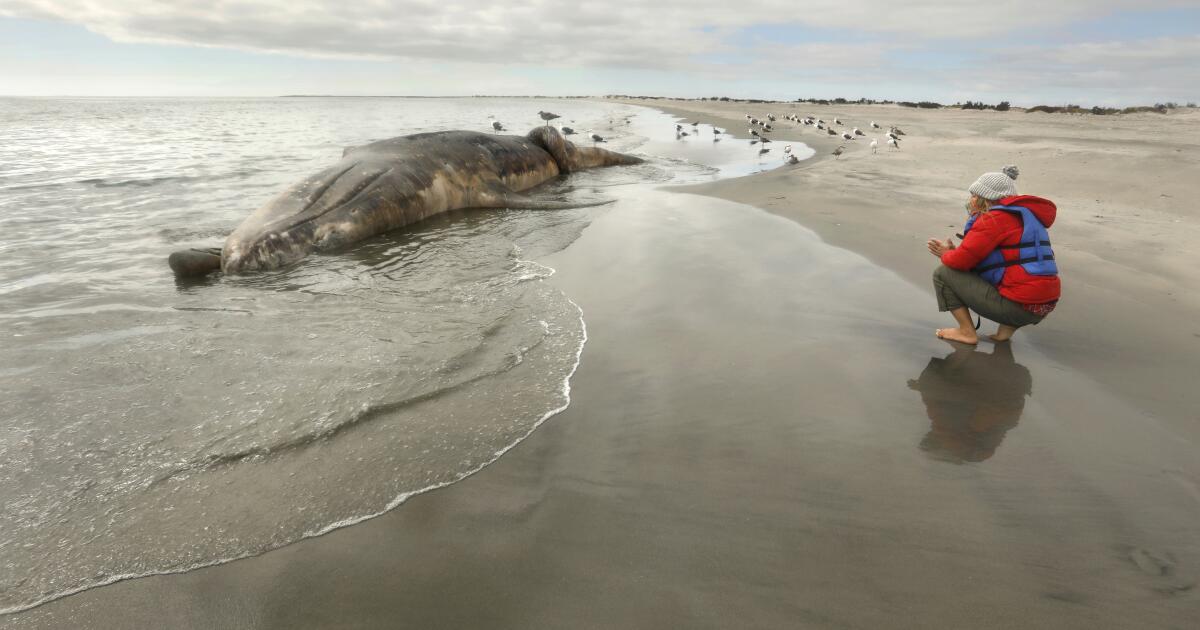
The recent decline of the gray whale population on the West Coast-down to fewer than 13,000 from a peak of 27,000-serves as a cautionary tale.NOAA attributes this decline to diminishing prey availability in Arctic feeding grounds, linked to warming waters [3]. Widespread marine heat waves and algal blooms are further exacerbating the situation, impacting kelp forests and leading to mass die-offs of dolphins and sea lions.
What role do you think individual actions can play in protecting marine mammal populations?
The fate of marine mammals is inextricably linked to the health of our oceans. Their decline serves as a critical indicator of broader environmental degradation. Protecting these species is not merely an environmental imperative; it is essential for our own well-being.
Looking Ahead: the Future of Marine Mammal conservation
The challenges facing marine mammals are multifaceted and require a holistic approach. Continued research into the impacts of climate change, pollution, and human activity is crucial. Strengthening international cooperation to address threats like bycatch and ship strikes is also essential. Moreover, investing in enduring fishing practices and reducing plastic pollution will contribute to healthier ocean ecosystems.
Frequently Asked Questions About Marine Mammal Protection
- What is the Marine Mammal Protection Act? the MMPA is a U.S. law passed in 1972 to protect all marine mammals-whales, dolphins, seals, sea lions, and others-from harm and exploitation.
- Why are marine mammals critically important? Marine mammals play a vital role in maintaining the health of ocean ecosystems and serve as indicators of overall environmental health.
- What are the biggest threats to marine mammals today? climate change, entanglement in fishing gear, ship strikes, pollution, and habitat loss are among the most meaningful threats.
- How can I help protect marine mammals? Support organizations dedicated to marine conservation, reduce your plastic consumption, and advocate for responsible environmental policies.
- Is the Marine Mammal Protection Act effective? While the MMPA has achieved successes in preventing extinctions and aiding population recovery, ongoing challenges require continued vigilance and adaptation.
This article was produced by World Today News Staff.
Share this critically important story with your network and join the conversation about protecting our ocean’s astounding wildlife!