
Enzyme Targeted in Immune Cells Prevents Diet-Induced Obesity in Mice, Offering Potential New therapeutic avenue
MELBOURNE, AUSTRALIA – Researchers at Monash University have discovered that inhibiting a specific enzyme, CAMKK2, within immune cells can protect against diet-induced obesity and related metabolic disorders in mice. The study, published in Molecular Metabolism, reveals a surprising link between CAMKK2 activity in macrophages and the body’s ability to burn fat, reduce inflammation, and improve metabolic health.
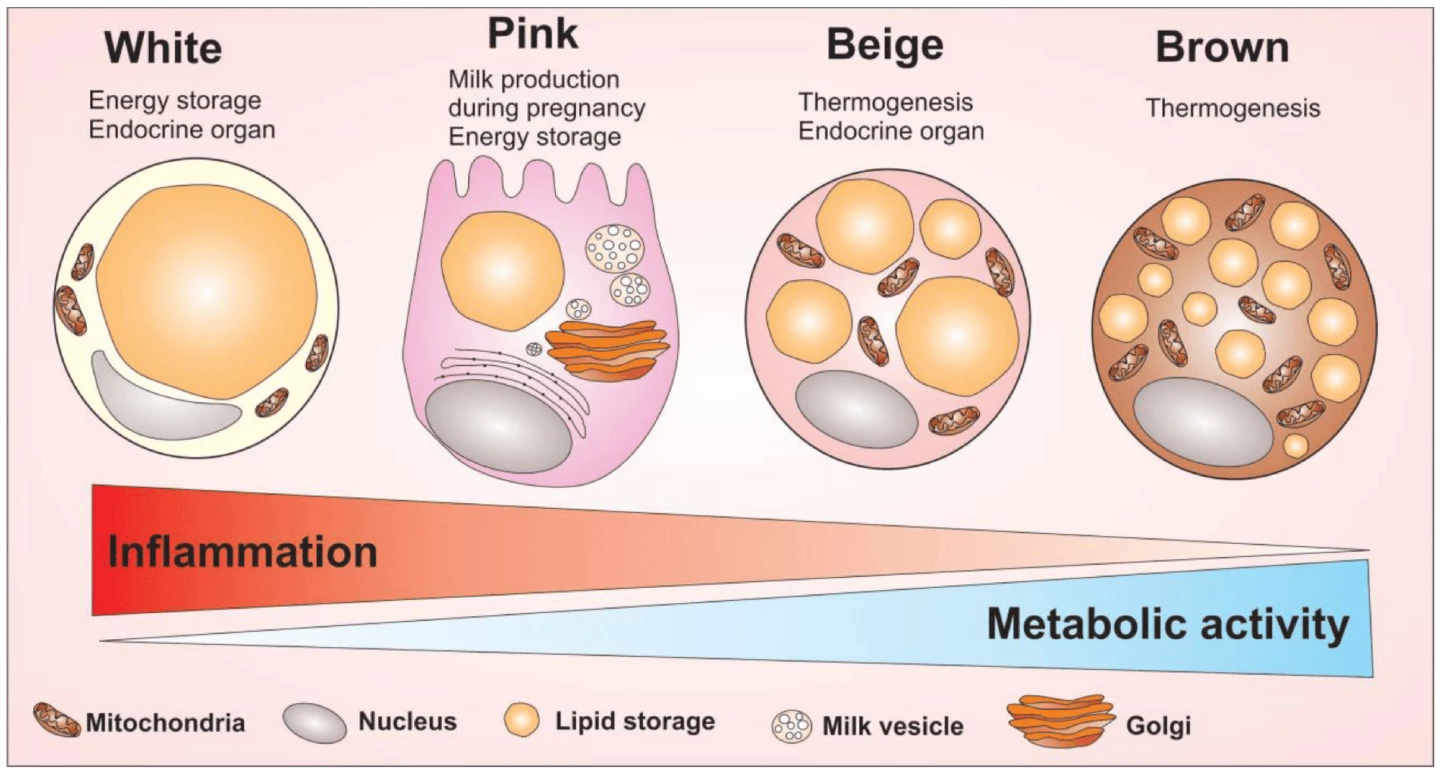
The team found that mice genetically engineered to lack the CAMKK2 gene in macrophages exhibited an anti-inflammatory profile and demonstrated increased fat oxidation and improved mitochondrial function. This metabolic shift led to increased energy production and efficiency at the cellular level. Notably, fat tissue in these mice displayed a “beiging” effect, activating genes that promote fat burning and heat generation.
“Our findings show that when the CAMKK2 gene is removed from certain immune cells (in this case, macrophages), fat tissue shifts its activity in a healthier direction,” explained researcher Scott. ”The genes in the fat start working in ways that support better metabolism and reduce harmful inflammation.”
The research suggests CAMKK2 directly regulates both immune cell and whole-body metabolism, positioning it as a potential therapeutic target for obesity and associated conditions like insulin resistance and fatty liver disease. Furthermore, given the role of macrophage-driven inflammation in atherosclerosis, infections, and certain cancers, inhibiting CAMKK2 could offer broader health benefits.
While promising, the study acknowledges limitations.Results from mouse models may not fully translate to humans, and direct confirmation of increased fat burning within live animals requires further examination. Existing compounds like STO-609, used to inhibit CAMKK2, lack the specificity and drug-like properties needed for clinical application. However, researchers beleive these challenges can be addressed in future studies, paving the way for the advancement of targeted therapies.


