
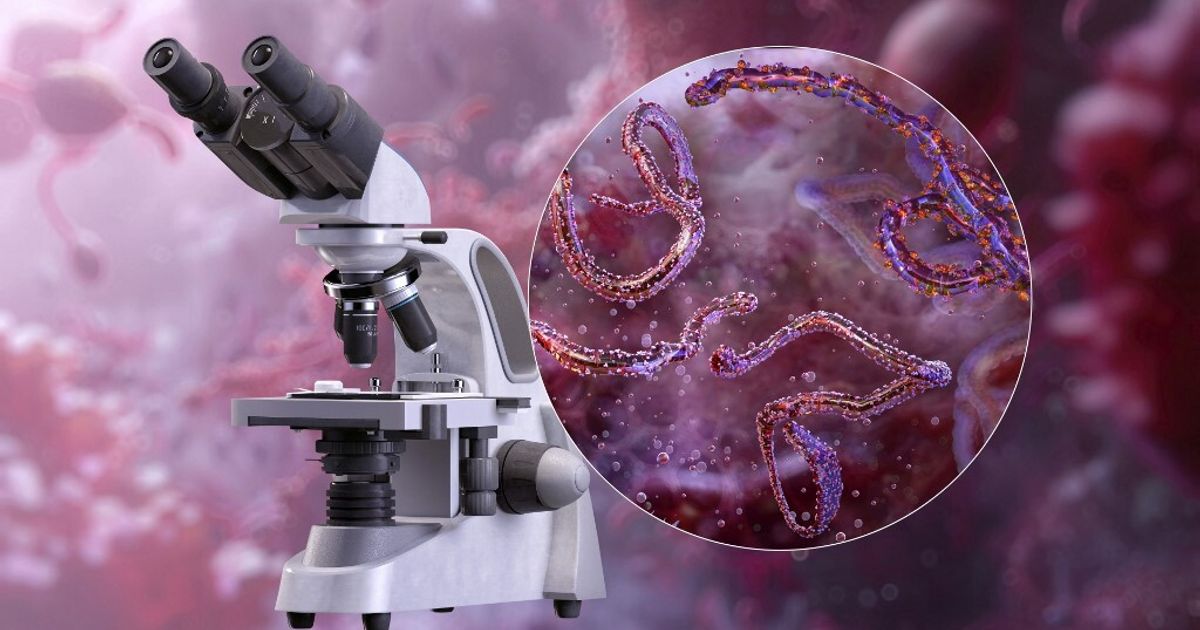
BREAKING: Marburg Virus Outbreak Confirmed in Southern Ethiopia – Nine Cases Identified
ADDIS ABABA, ETHIOPIA – Ethiopian authorities have confirmed an outbreak of the Marburg virus in the southern region of the country, the Africa Centres for Disease Control and Prevention (Africa CDC) announced Saturday. the highly contagious hemorrhagic fever, transmitted by certain species of bats and related to Ebola, has a potential mortality rate reaching 90%.
As of Friday, at least nine cases of Marburg virus infection have been identified in Southern Ethiopia, according to World Health Organization (WHO) Director-General Tedros Adhanom Ghebreyesus. The WHO is actively supporting Ethiopia’s efforts to contain the outbreak and treat those infected, and is working to prevent potential cross-border spread.
“WHO is actively supporting Ethiopia in its efforts to contain the epidemic and treat infected people, and supports all efforts to prevent a potential cross-border diffusion,” Tedros stated on X (formerly Twitter).
An initial alert regarding a suspected viral hemorrhagic fever was issued to the Africa CDC on November 12th, which afterward confirmed the outbreak following analysis by the Ethiopian Federal Ministry of Health and the Ethiopian Institute of Public Health in Jinka, southern Ethiopia.
The Ethiopian ministry of Health reported on X that the virus strain present in Ethiopia is similar to those responsible for recent outbreaks in other East African nations. The Ministry is currently coordinating testing activities and prevention efforts with other healthcare organizations.
This outbreak follows recent Marburg incidents in neighboring countries: Tanzania declared an end to its outbreak in mid-March, which resulted in 10 deaths since January, and Rwanda announced the conclusion of its first-ever outbreak at the end of December 2023, with 15 fatalities.
Currently, there is no approved vaccine or antiviral treatment specifically for the Marburg virus. Treatment focuses on supportive care, including oral or intravenous rehydration, and managing specific symptoms to increase the probability of survival. Last year, Rwanda initiated trials of an experimental vaccine provided by the US-based Sabin Vaccine Institute.


