
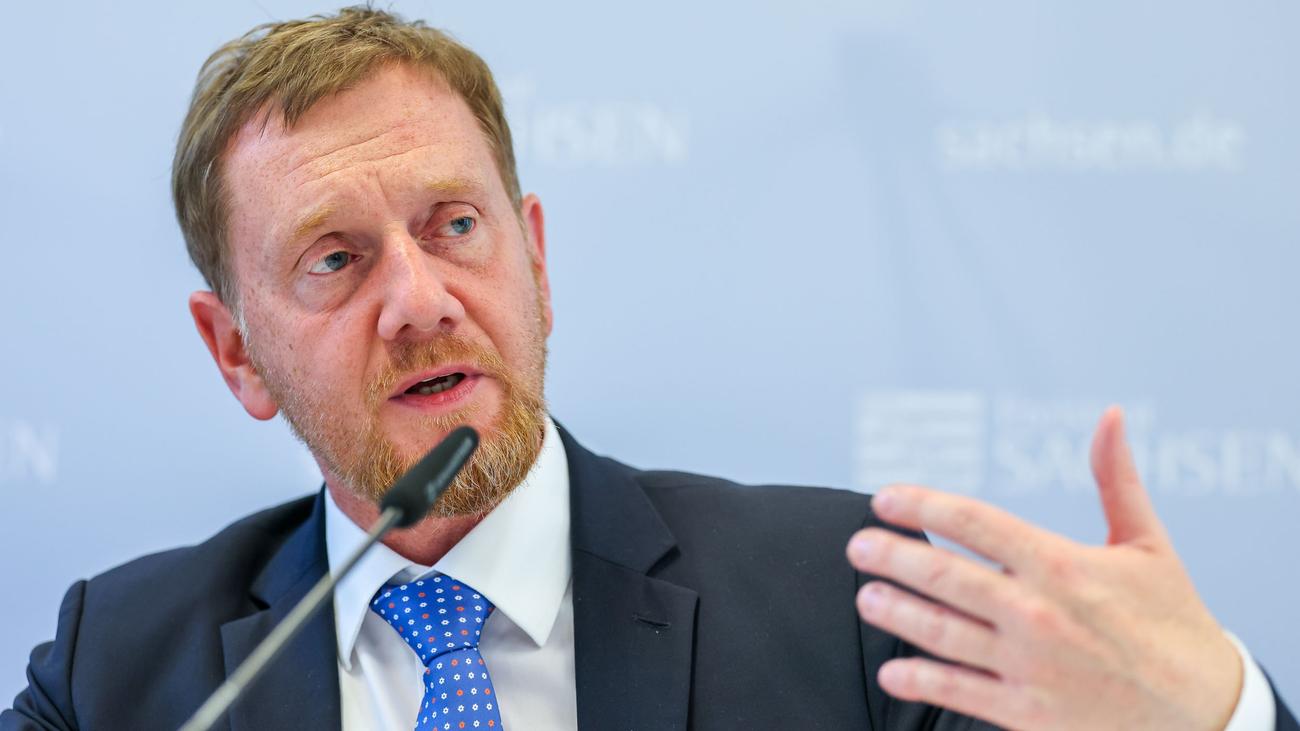
Saxony‘s Prime Minister Michael Kretschmer is advocating for a return to importing Russian oil and natural gas, despite ongoing international sanctions related to teh conflict in Ukraine. kretschmer, speaking on November 14, 2025, argued that ceasing russian energy imports has demonstrably harmed Germany’s economy and that resuming supplies is essential for stabilizing energy prices and bolstering industrial competitiveness.
The call from Saxony’s leader arrives as Germany grapples with elevated energy costs and concerns about industrial output. Kretschmer’s position challenges the prevailing consensus within the German government and among European allies, who have largely maintained a unified front in restricting energy purchases from Russia as Febuary 2022. The debate centers on balancing economic needs with geopolitical considerations, and the potential impact on ukraine’s financial stability should European reliance on Russian energy increase.
Kretschmer contends that the current energy situation is unsustainable for German businesses,particularly those in energy-intensive sectors. He has not specified a timeline or detailed plan for resuming imports, but emphasized the necessity of reassessing the current strategy.”We are shooting ourselves in the foot,” kretschmer stated, referencing the economic consequences of foregoing Russian energy sources.
Prior to the full-scale invasion of Ukraine, Germany was heavily reliant on Russian gas, importing approximately 55% of its gas supply from Russia in 2021. Following the invasion, Germany rapidly sought alternative energy sources, including liquefied natural gas (LNG) from the United States and Norway, and has invested heavily in expanding its LNG import infrastructure. However, these alternatives have proven more expensive, contributing to higher energy bills for consumers and businesses.