Thai Army Returns Cambodian Soldiers Amid Border Tensions
Diplomatic efforts intensify to de-escalate fighting ahead of crucial regional talks.
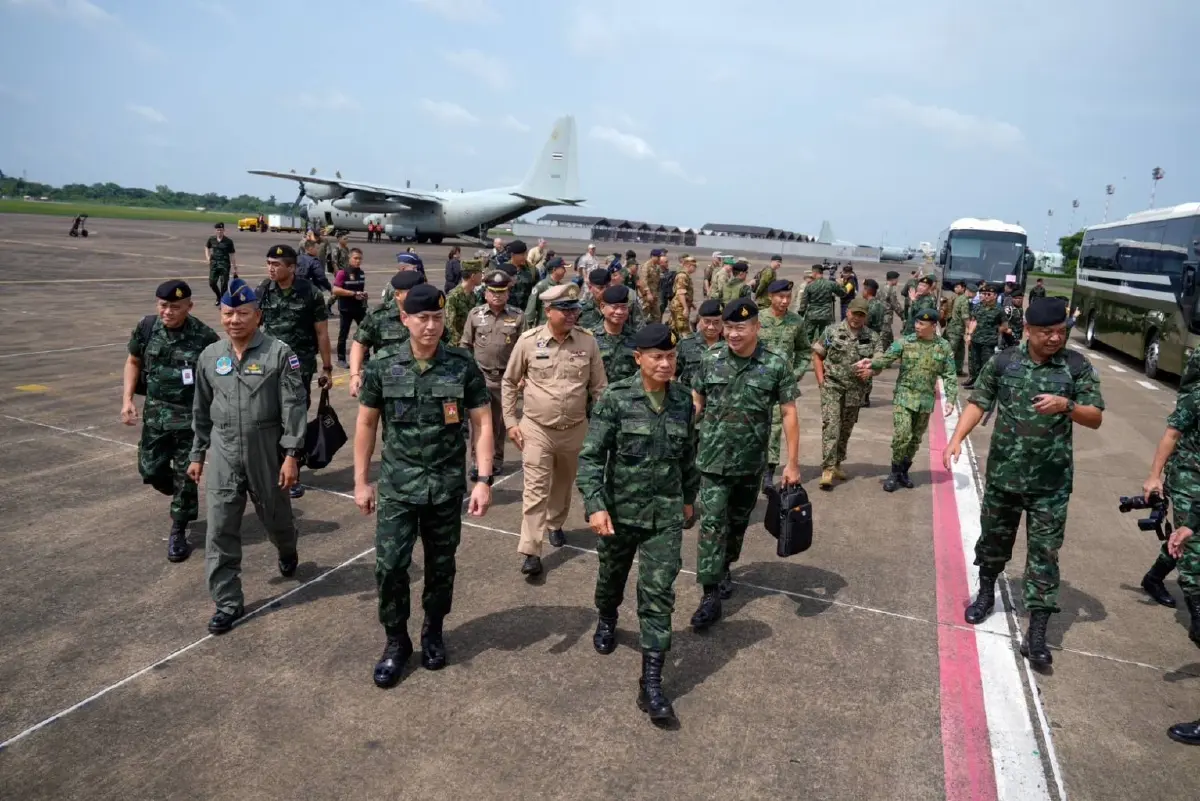
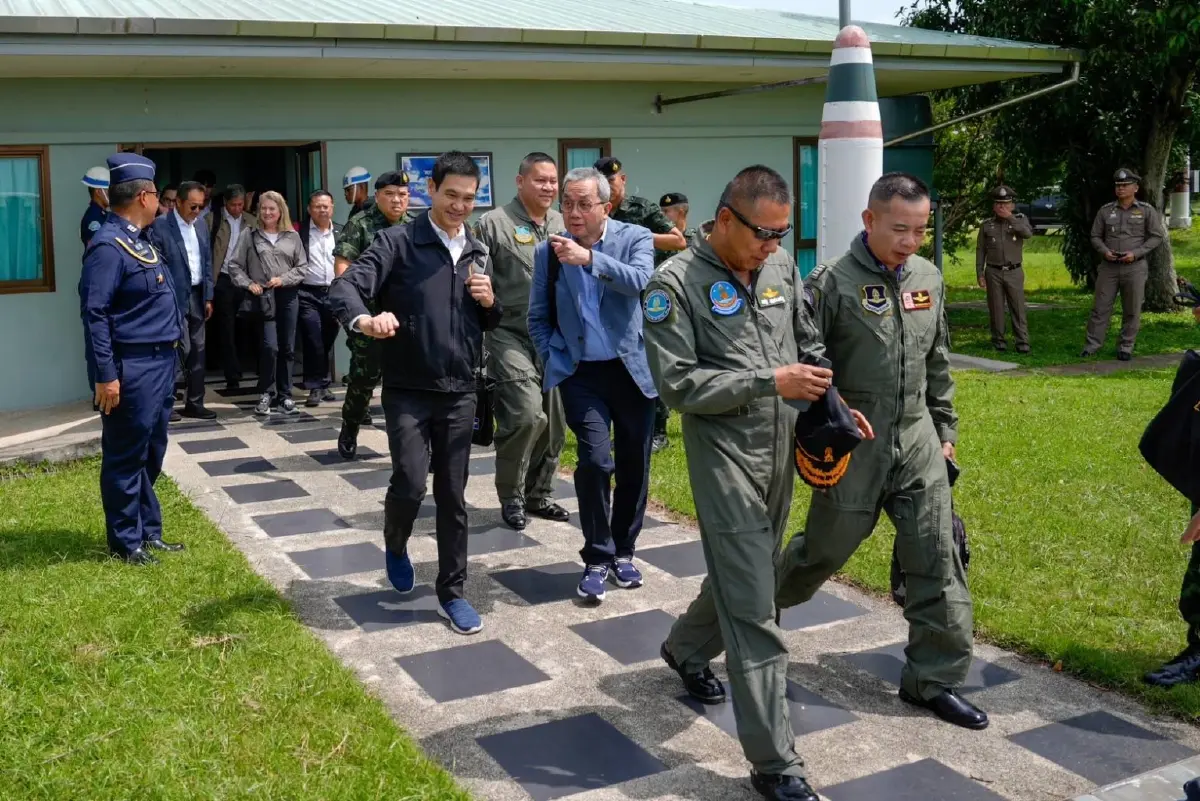
Thailand has repatriated two Cambodian soldiers and is processing eighteen others who crossed into Thai territory. This action precedes critical defense minister-level discussions in Malaysia aimed at solidifying a ceasefire along the long-disputed border.
Escalation and Diplomatic Push
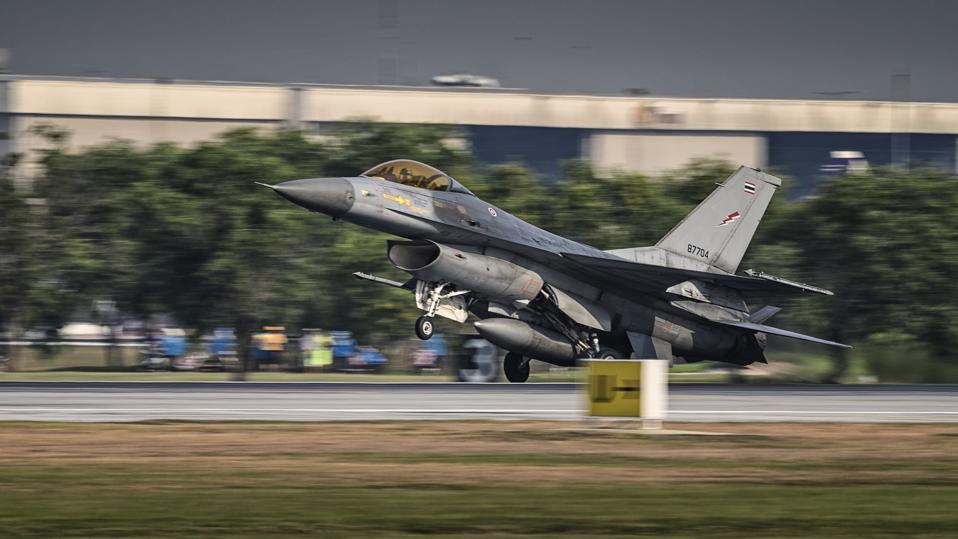
Recent clashes between Thailand and Cambodia marked the most severe conflict in over a decade, involving artillery exchanges and air force deployments. The hostilities resulted in at least 43 fatalities and displaced over 300,000 people.
A fragile truce was established following concerted diplomatic efforts, including calls from US President Donald Trump, who had threatened to delay trade negotiations with both nations until the violence ceased.
The White House announced Friday that Thailand and Cambodia will now face a 19% tariff on goods sent to the US, a reduction from the previous 36% rate, following further discussions.
Cambodia Seeks Release of Detainees
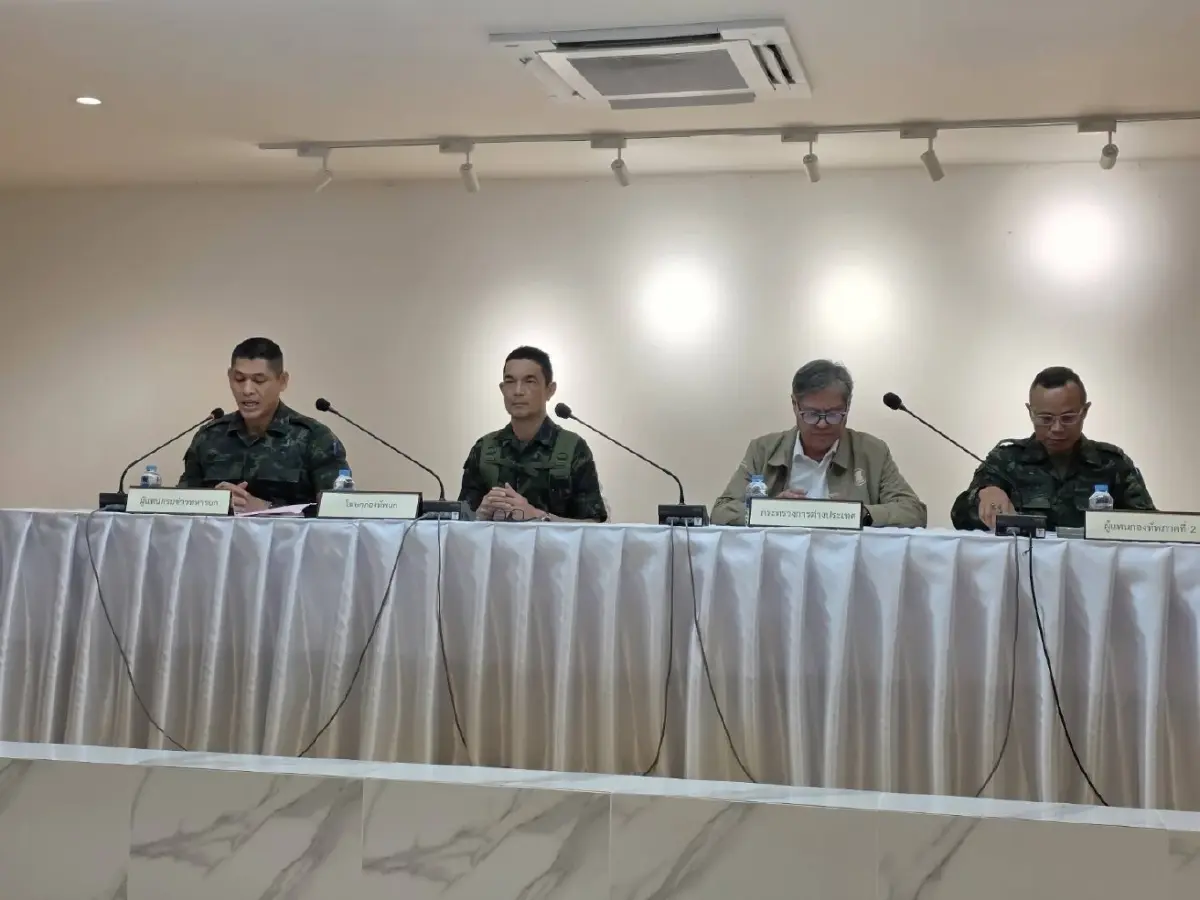
In Bangkok, Thai government spokesperson **Jirayu Houngsub** stated that the two Cambodian soldiers had been sent back, while the remaining eighteen were being processed for immigration violations. He added:
“The Cambodian soldiers intruded on Thai territory and the army took them into custody, treating them based on humanitarian principles.”
The Cambodian defense ministry has formally requested Thailand to return all detained soldiers, emphasizing their commitment to international humanitarian law.
“Cambodia is actively engaging in negotiations to secure their release, and reiterates its firm call for their immediate and unconditional release in accordance with the international humanitarian law.”
—Ministry Spokesperson
Border Dispute Context
The ongoing dispute centers on a stretch of border, particularly around the Preah Vihear temple. Similar skirmishes have occurred in recent years, highlighting the persistent territorial disagreements between the two Southeast Asian neighbors.
As of early 2023, the UN reported that over 360,000 people have been displaced globally due to border conflicts, underscoring the significant human impact of such disputes (UNHCR, 2023).
Path to Peace
The upcoming meeting in Malaysia, organized by ASEAN, is seen as a critical opportunity to de-escalate tensions and foster lasting stability. The involvement of regional powers and international pressure underscores the significance of these talks.