

Explore Britain’s Iconic Trails: A Walker’s Dream Awaits
From Dramatic Coastlines to Rugged Highlands, Adventure Calls
Embark on an unforgettable journey across Britain’s most breathtaking landscapes. Whether you crave the salty spray of the coast, the solitude of the moors, or the echoes of history, a trail awaits to captivate your senses.
Coastal Vistas and Maritime History
The South West Coast Path, spanning 1014km, offers dramatic coastal scenery from Somerset to Dorset. This historic route, partly inspired by smugglers’ patrols, winds past rugged cliffs, abandoned tin mines, and charming fishing villages. Sections, like the four-day trek from St Ives to Penzance, are accessible via local transport.
For those who wish to circumnavigate an entire country’s shoreline, the Wales Coast Path presents an unparalleled 1400km adventure. Launched in 2012, it was the world’s first to follow a nation’s entire coastline, revealing millennia of history and diverse maritime vistas.
Crossing England’s Natural Wonders
The Coast to Coast Walk, a 306km route envisioned by the famed walker **Alfred Wainwright**, traverses northern England’s spectacular national parks. This west-to-east journey, typically completed in 12-14 days, takes adventurers through the Lake District, Yorkshire Dales, and Yorkshire Moors.
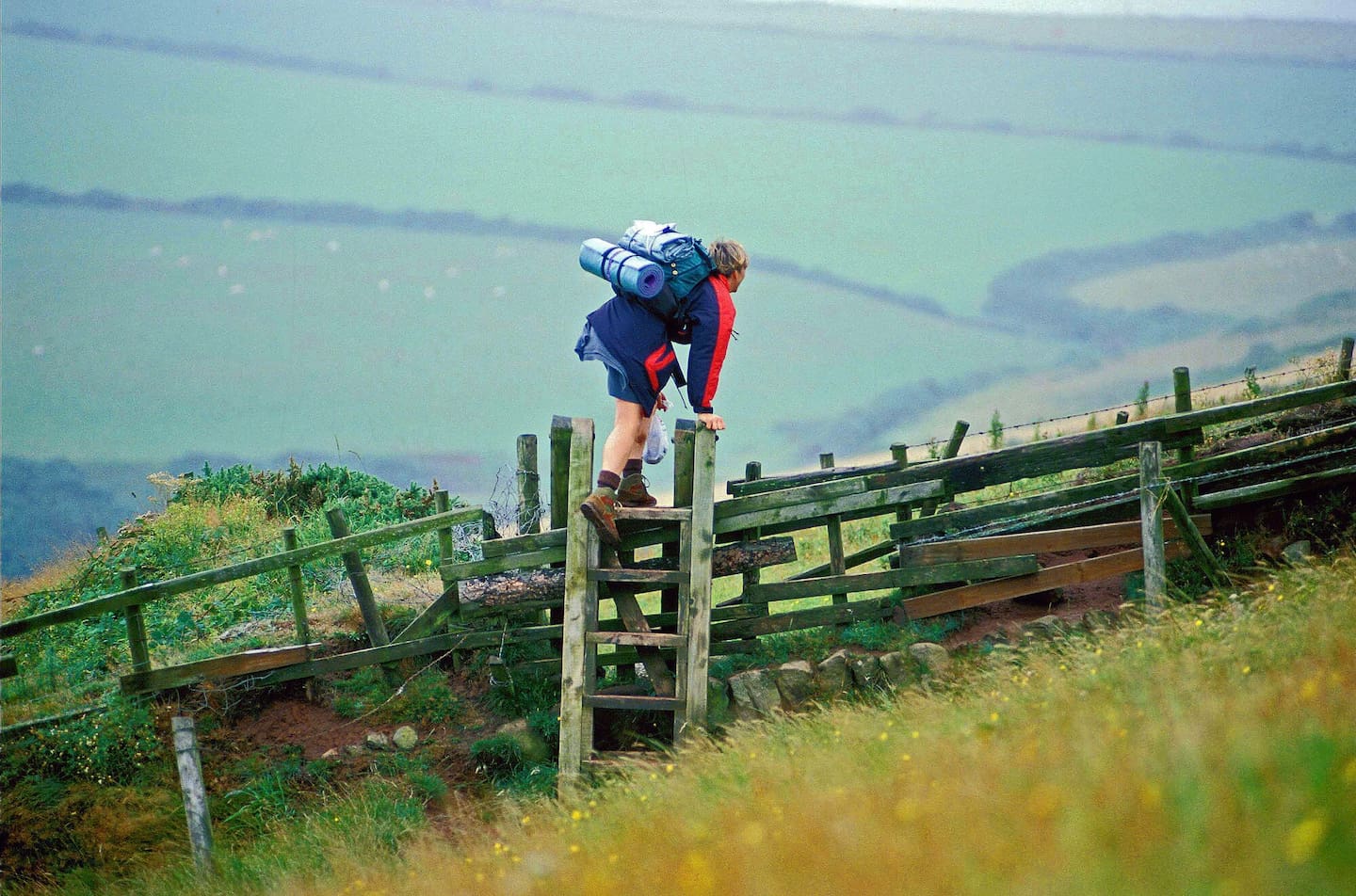
The Cleveland Way, a 177km horseshoe-shaped trail, highlights Yorkshire’s varied beauty. It winds from Helmsley through expansive heather moorlands of the North York Moors to the seaside town of Saltburn-by-the-Sea, then south along the coast to Filey Brigg. Highlights include charming fishing villages and the historic town of Whitby.
A Journey Through Time and Faith
St. Oswald’s Way, a 156km path opened in 2006, connects significant sites related to the 7th-century Anglo-Saxon king **St Oswald**. The six-day hike stretches from Heavenfield near Hadrian’s Wall to Holy Island, traversing rolling farmland, moorland, and dramatic coastlines dotted with ancient castles.
History buffs will also be drawn to Hadrian’s Wall Path, a 135km route following the ancient Roman frontier. This World Heritage site offers a journey through wild northern English countryside, showcasing remnants of forts, milecastles, and turrets built on the orders of Emperor Hadrian.
Conquering Rugged Terrain and Industrial Heritage
For those seeking a true challenge, the Pennine Way, Britain’s first National Trail, offers a demanding 431km route. Known for its challenging terrain, including notorious peat bogs, this trail now features improved paths. Starting in Edale, it ascends the spine of England to the Scottish border, with an ascent equivalent to climbing Mount Everest.
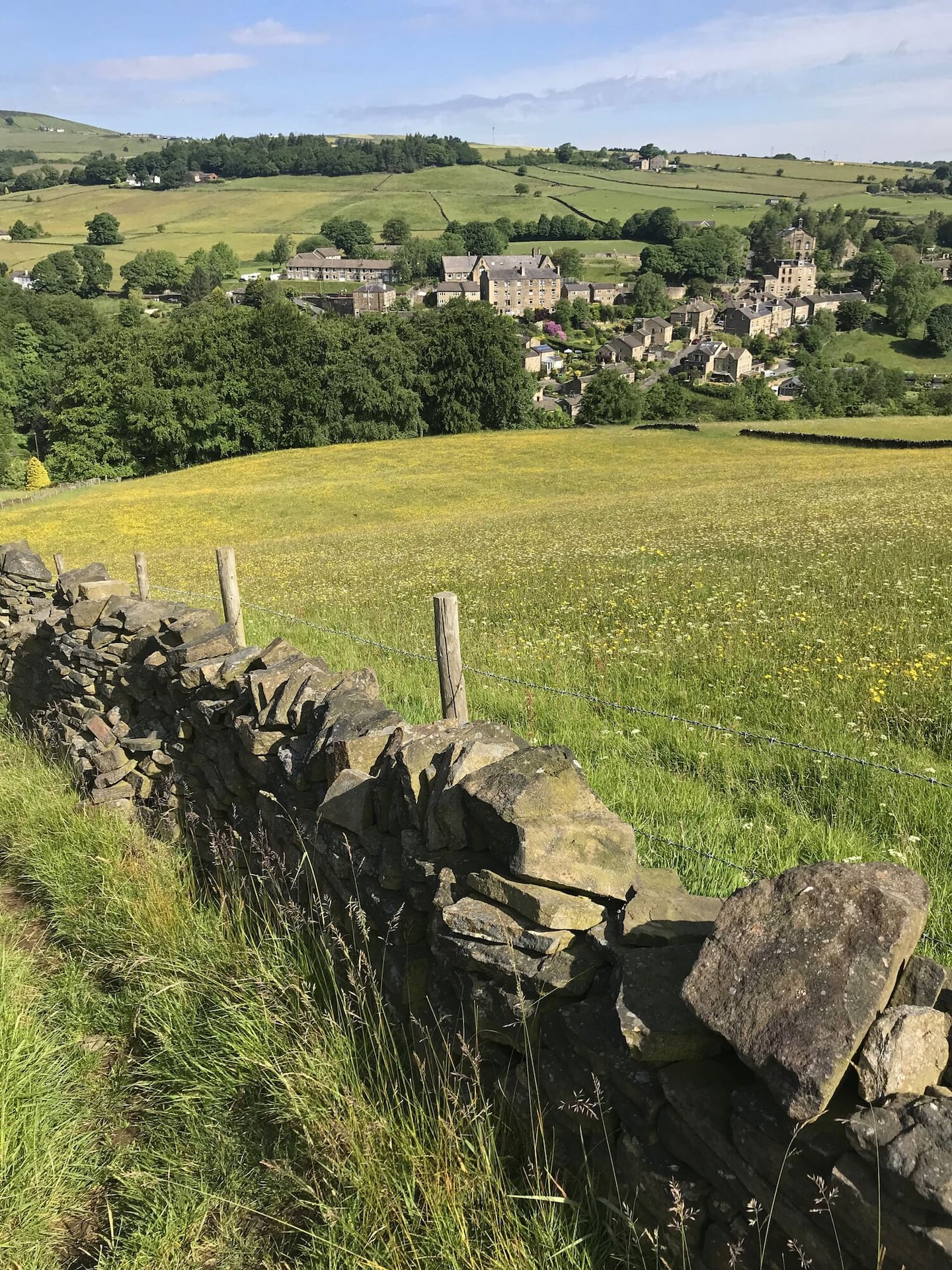
The Calderdale Way, a 80km circuit, explores the industrial heritage of West Yorkshire. This route circles mill towns like Hebden Bridge and Halifax, utilising ancient packhorse trails and canal towpaths. It offers views of medieval settlements and scenic valleys, with options to complete it in four day sections.
Scottish Highlands and Cinematic Landscapes
Scotland’s most popular long-distance trek, the West Highland Way, covers 154km from Milngavie to Fort William. This route immerses walkers in some of Britain’s most spectacular scenery, including wild mountains and lochs, often following ancient drovers’ roads. The final leg through Glen Nevis has served as a filming location for iconic movies.
Planning Your British Walking Adventure
The most popular time to explore these trails is during the summer months of June, July, and August, offering longer daylight and potentially better weather. However, early spring (April/May) and autumn (September/October) provide quieter, less crowded experiences with better accommodation availability.
Accommodation options range from cozy Bed & Breakfasts and local pubs to Airbnbs and hostels. Many long-distance trails offer “packhorse” services that arrange accommodation and transport luggage, allowing you to focus on the walk. Consider services like sherpavan.com for this convenience.
Essential gear includes worn-in hiking boots, waterproof outerwear, thermal layers, and walking poles, as Britain’s weather can be unpredictable. Be prepared for varied conditions year-round.


