New Mowing Regulations Spark Farmer and Water Board Concerns Over Land Use and Practicality
Halsteren, Netherlands – A new national mowing policy aimed at boosting biodiversity is facing strong criticism from farmers and even the Brabantse Delta Water Board, who say the regulations are impractical and are leading to lost agricultural land.
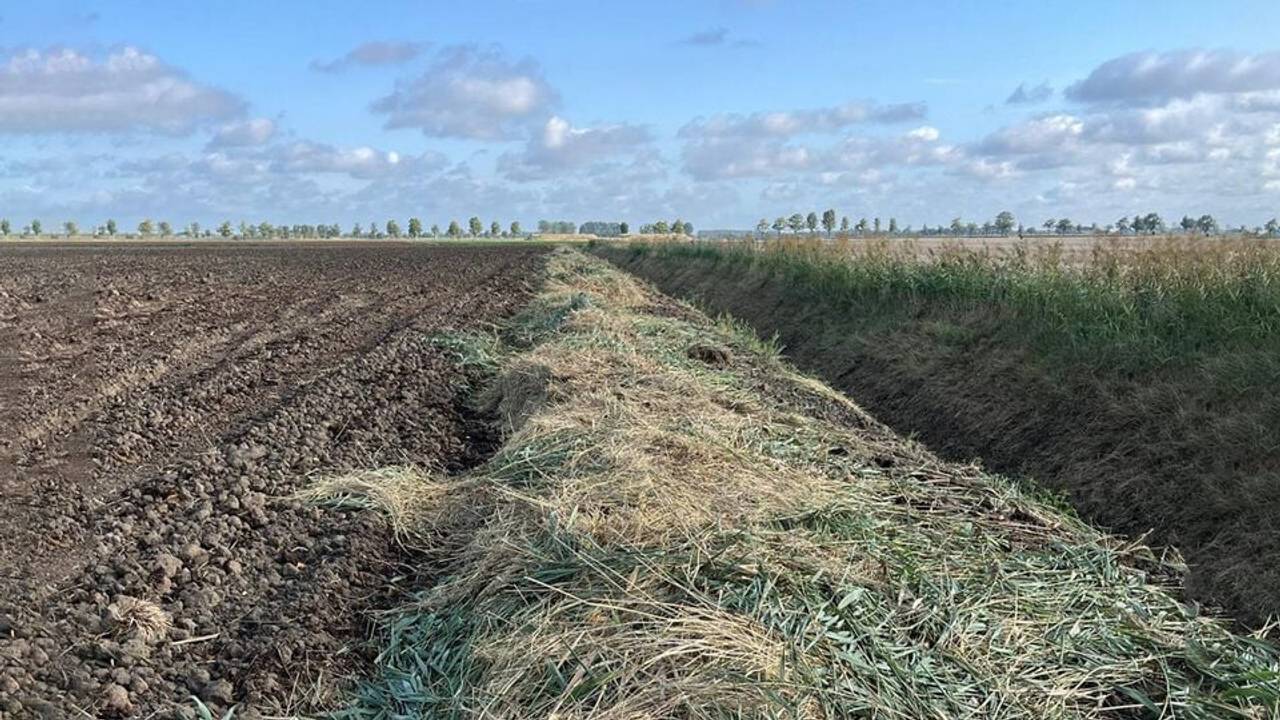
Cees van Tiggelen, an arable farmer in Halsteren, is bracing for impact. “The water board won’t be coming near my land anytime soon,” he stated firmly, expressing his frustration with the new rules. Van Tiggelen argues the policy renders portions of his land unusable due to the sheer volume of mowing waste left behind.
The core of the issue stems from the recent ban on ”flail mowing,” a method utilizing a rotating axle with blades to finely chop vegetation, allowing for easy removal of the cuttings. “With flail mowing, the volume of waste was manageable,” Van Tiggelen explained to Southwest TV. “Now, they’re mowing coarsely, leaving a pile four to five meters wide along my fields. I can’t even get my machinery through it, let alone sow crops. It could even jeopardize my subsidies.”
Van Tiggelen isn’t alone. He reports that numerous farmers in the region are experiencing similar difficulties. “The intention – increased biodiversity – is admirable, but in reality, it’s unworkable. We’re losing valuable farmland, while roadsides continue to be neatly maintained.”
The Brabantse Delta Water Board acknowledges the concerns. Acting Dijkgraaf Rian Govers-Gabriels confirmed the board has received numerous complaints. “The new mowing practices are causing discomfort, not just for farmers, but for us and the contractors carrying out the work,” she said. “The mowers get stuck on the banks, causing blockages and disruptions. We’re struggling to find the right balance between nature-kind management and practicality.”
The national code of conduct,developed by the Union of Water Boards,mandates a phased approach to ditch and waterway mowing,aiming to protect flora and fauna by leaving larger pieces of vegetation undisturbed.
Though, the policy is currently slated for review at the end of this year. Dijkgraaf Govers emphasized the board’s commitment to addressing the issues. “We are taking these signals from the field seriously and will contribute to the national discussion. Only through collaboration can we find a mowing method that is both environmentally responsible, safe, and realistically implementable.”
Understanding the Shift: From Flail Mowing to Coarse Cutting
Flail mowing involved rapidly rotating blades that finely chopped vegetation, making removal straightforward. However, the method’s impact on insects, small animals, and plants led to its prohibition. The current policy prioritizes coarser mowing, leaving larger pieces of vegetation to provide habitat and promote biodiversity.
**Keywords