
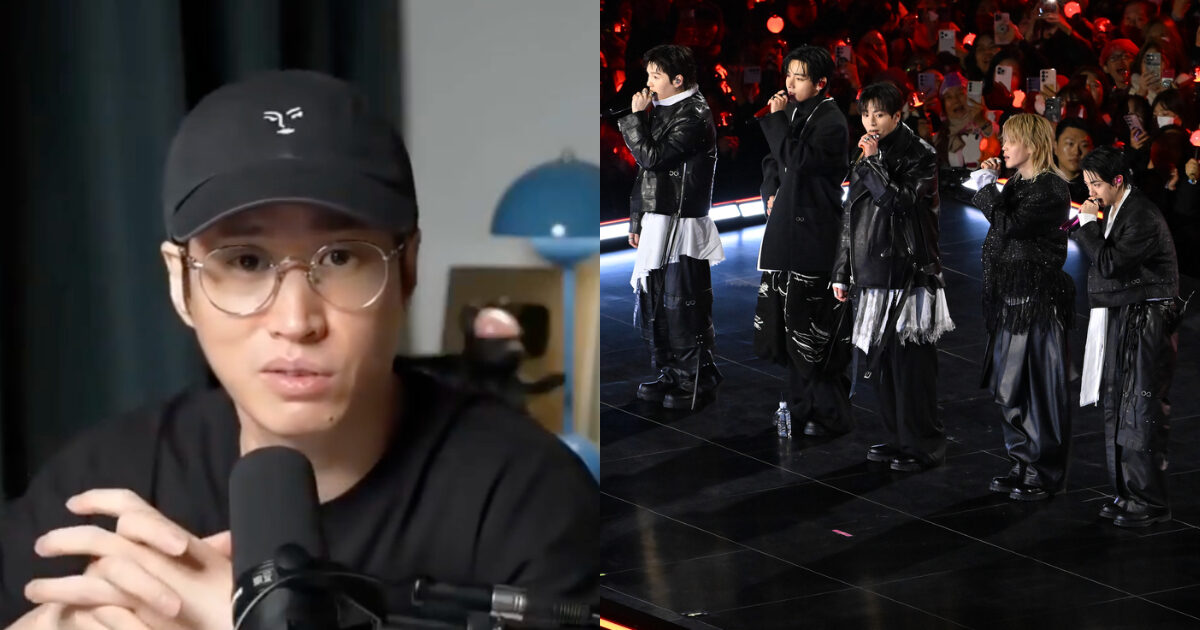
Tablo on K-Pop Age Limits: Epik High’s Response & BTS ARMY Support
Tablo Defends Lifelong K-Pop Fandom, Sparking Debate on Fan Culture and Brand Loyalty
Epik High’s Tablo ignited a conversation about the perceived expiration date on K-Pop fandom, arguing passionately that supporting artists like BTS is a more valuable pursuit than collecting status symbols like wine or golf clubs. His comments, made during a recent online discussion, quickly went viral, resonating with fans and prompting a wider discussion about ageism within the K-Pop community and the enduring power of parasocial relationships. The debate underscores the evolving dynamics between artists, fans, and the commercial forces driving the global music industry.

The “Stan” Standard: Beyond Material Possessions
Tablo’s core argument, as captured in a widely circulated Twitter exchange, centers on the intrinsic value of supporting creative endeavors. He posited that “sponsoring seven boys from Korea” – a clear reference to BTS – is a more meaningful investment than acquiring traditional luxury goods. “These golf clubs are not like breathing individuals with souls with the like artistry, choreography, with dreams and passion, with story arcs,” he stated. He further emphasized this point by highlighting BTS’s own Netflix comeback show, questioning why a billionaire’s golf collection wouldn’t warrant similar fanfare. This sentiment struck a chord, with fans praising his genuine support and challenging the notion that fandom has an age limit. The discussion highlights a shift in cultural values, where experiences and emotional connections are increasingly prioritized over material wealth.
The Longevity of Fandom: Challenging Ageist Tropes
The question of when one should “graduate” from being a K-Pop fan is a recurring one, often laced with subtle ageism. Critics frequently suggest that continued enthusiasm for youth-oriented music is somehow immature or inappropriate beyond a certain age. Tablo’s response directly confronts this bias, asserting that “age has nothing to do with it.” This resonates with the growing demographic of older K-Pop fans, many of whom have supported groups like BTS for over a decade. As noted by cultural commentator Dr. Evelyn Hayes, “The longevity of K-Pop fandom is a testament to the sophisticated strategies employed by these groups to cultivate deep, lasting connections with their audience. It’s not simply about the music; it’s about shared values, community, and a sense of belonging.” This requires robust social media management and community engagement strategies.
BTS’s Brand Equity and the Power of ARMY
Tablo’s defense of BTS fandom is particularly significant given the group’s immense global success and the dedicated fanbase known as ARMY. BTS has consistently broken records in album sales, streaming numbers, and concert attendance, demonstrating a level of commercial power rarely seen in the music industry. According to the International Federation of the Phonographic Industry (IFPI), BTS was the second best-selling artist globally in 2023, solidifying their position as a cultural and economic force. This success is inextricably linked to the unwavering support of ARMY, who actively promote the group’s music, defend their image, and participate in philanthropic initiatives. The group’s ability to maintain this level of engagement, even during periods of individual member activity, speaks to the strength of their brand equity and the loyalty of their fanbase. Protecting that brand equity often requires proactive intellectual property legal counsel to address copyright and trademark issues.
The Netflix Effect: Expanding the Reach of K-Pop
Tablo’s reference to BTS’s Netflix comeback show is crucial. The streaming giant has become a key platform for K-Pop groups to reach modern audiences and expand their global footprint. Documentaries like “BTS: Bring the Soul” and concert films have generated significant viewership, introducing the group to viewers who might not otherwise engage with K-Pop. Netflix’s investment in K-Pop content reflects the growing demand for Korean entertainment worldwide. This increased visibility also creates opportunities for strategic partnerships and brand collaborations, further amplifying the group’s influence. The logistical complexity of these global streaming deals necessitates expert entertainment law firms to navigate contracts and distribution rights.
The Legal Landscape of Fandom and Parasocial Relationships
The intensity of K-Pop fandom also raises legal considerations. Parasocial relationships – one-sided relationships where fans feel a strong connection to celebrities – can sometimes lead to obsessive behavior or even harassment. Agencies like Big Hit Music (BTS’s label) have implemented strict policies to protect their artists from unwanted attention and online abuse. The unauthorized use of artists’ images or likenesses can lead to copyright infringement lawsuits. The legal framework surrounding fandom is constantly evolving, requiring artists and agencies to stay informed and proactive in protecting their rights. The increasing prevalence of deepfakes and AI-generated content adds another layer of complexity to this legal landscape.
The Future of Fandom: Community, Connection, and Commerce
Tablo’s comments offer a refreshing perspective on fandom, emphasizing the importance of genuine connection and artistic appreciation. As K-Pop continues to evolve, it’s likely that the boundaries between artists and fans will become increasingly blurred. The rise of interactive platforms like Weverse allows fans to directly engage with their favorite groups, fostering a sense of community and shared experience. This shift towards greater interaction also presents new opportunities for monetization, with artists offering exclusive content and experiences to their most dedicated fans. The future of fandom is not about age or arbitrary limits; it’s about finding meaningful ways to connect with the art and artists that inspire us. The continued growth of K-Pop and its dedicated fanbase will undoubtedly require sophisticated event planning and security measures, creating opportunities for specialized event management companies.
Disclaimer: The views and cultural analyses presented in this article are for informational and entertainment purposes only. Information regarding legal disputes or financial data is based on available public records.