
Syphilitic Tonsillitis: Case Report & Literature Review
A rare presentation of syphilis, manifesting as tonsillitis, was recently documented in a case report published by Cureus, highlighting the disease’s capacity for atypical symptoms and diagnostic challenges.
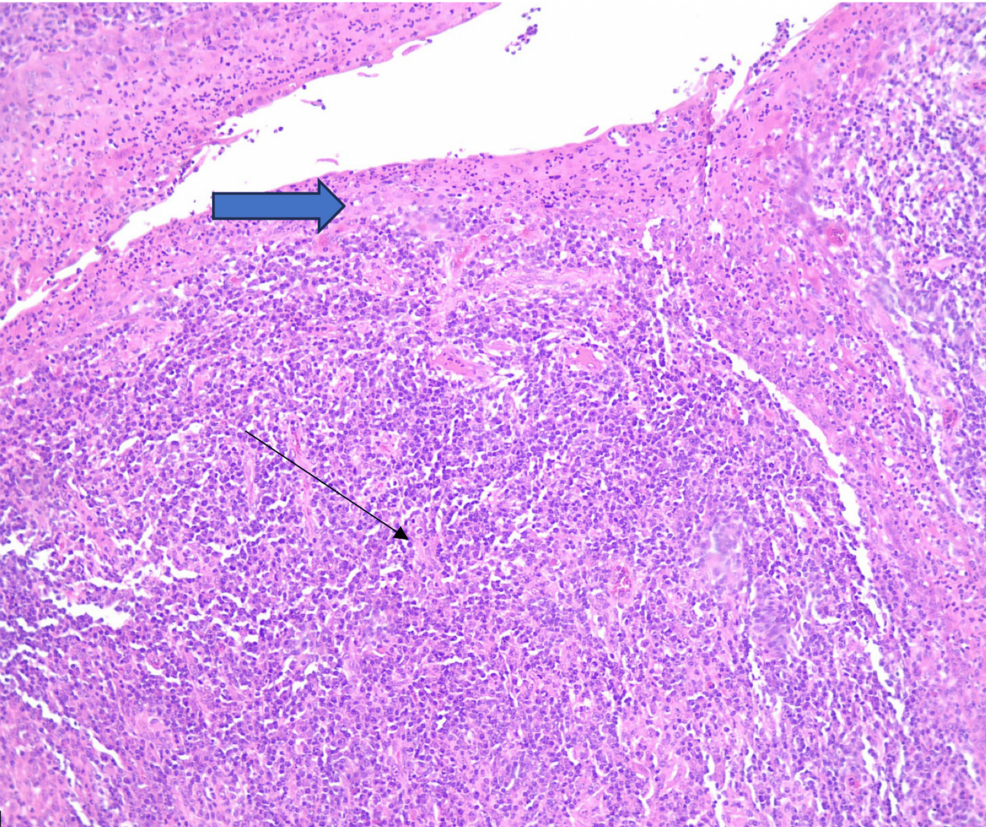
The case details a patient presenting with sore throat, difficulty swallowing, and visibly inflamed tonsils. Initial assessments did not suggest syphilis, leading to a delay in accurate diagnosis. Subsequent testing, however, confirmed the presence of Treponema pallidum, the bacterium causing syphilis, within the tonsillar tissue. This finding underscores the potential for syphilis to mimic common infections, complicating initial clinical evaluations.
Syphilis, a sexually transmitted infection, typically progresses through stages – primary, secondary, latent, and tertiary – each with distinct clinical features. However, the infection is increasingly recognized for its diverse and often unusual presentations, earning it the moniker “the great imitator.” The recent case report adds tonsillitis to the growing list of atypical manifestations, which, according to other Cureus publications, can include ocular syphilis complicated by retinal detachment and a wide range of skin presentations.
The documented case involved a thorough review of the patient’s medical history and a comprehensive diagnostic workup. The initial misdiagnosis emphasizes the importance of considering syphilis in the differential diagnosis of persistent or unexplained tonsillitis, particularly in individuals with risk factors for sexually transmitted infections.
Another Cureus report details a case of tertiary syphilis causing ocular syphilis, resulting in retinal detachment. This highlights the potential for syphilis to affect multiple organ systems, even in later stages of the disease. The report stresses the need for prompt diagnosis and treatment to prevent severe complications, including vision loss.
The increasing recognition of diverse syphilitic presentations, including those affecting the skin and eyes, reinforces the need for heightened clinical awareness. Early identification and treatment with antibiotics remain crucial in preventing disease progression and associated morbidity. The case reports serve as a reminder that syphilis can present in unexpected ways, requiring clinicians to maintain a broad differential diagnosis and utilize appropriate diagnostic testing.