Switzerland Tourism concludes Roger Federer promotional partnership
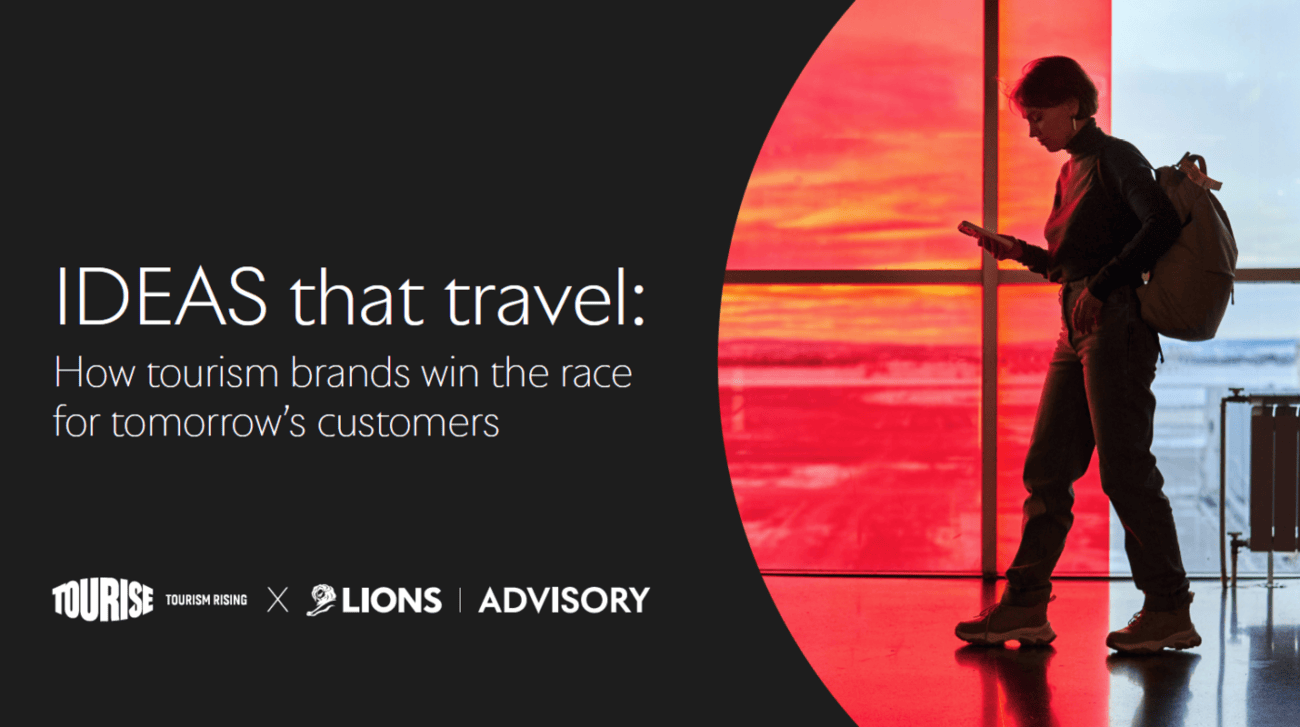
Switzerland Tourism faces a strategic realignment after concluding its promotional partnership with tennis player Roger Federer, following the release of a global tourism study titled “Ideas that Travel.” Produced in collaboration between TOURISE and LIONS Advisory, the report examines the Cannes Lions international festival of creativity and warns that traditional destination promotion relying on generic post-card aesthetics has lost its effectiveness in the modern travel market.
The End of Uniformity in Global Destination Marketing
Data within the study reveals that 60 percent of surveyed travelers find tourism advertisements heavily repetitive, while 43 percent struggle to differentiate between various regional and national brands. Martin Nydegger, CEO of Switzerland Tourism, acknowledged these industry shortcomings during the report’s rollout, noting that the sector has historically relied on displaying an idealized, flawless world rather than distinctive local characteristics.
“We still suffer from wanting to be pretty and showing a perfect world,” Nydegger said, according to the report. “If we’re being honest, you could swap the logos on many commercials, and customers wouldn’t even notice.”
David Droga, vice chair at Accenture and a prominent figure in the advertising industry, added that social media platforms have effectively outpaced official tourism promotion. Droga urged destination marketers to abandon generic appeal in favor of a rigorous focus on local uniqueness.

“What’s unique about your destination, your culture? Get into that uniqueness and how it connects to what people are looking for in their lives,” Droga stated in the report.
Agile Marketing Strategies Improve Engagement on Digital Platforms
The study highlights rigid, long-term campaign planning as an obstacle to modern engagement. In contrast, agile marketing strategies demonstrated success at the 2026 Cannes Lions, where Nestlé secured a Grand Prix for its “KitKat Heist” campaign.
Platform executives contributing to the research emphasized the shift toward continuous, interactive engagement. Caspar Lee, co-founder and chief visionary officer at Influencer.com, noted that platform algorithms continuously prioritize high-interest content, requiring brands to update their engagement methods daily.
Joanne Chehab, head of MENA Global Business Solutions at ByteDance and TikTok, pointed out that consumer travel journeys begin virtually before physical booking takes place. Christie Travers-Smith, director of EMEA strategic partnerships at Google, stressed that consumer trust remains foundational, noting that any breakdown in digital credibility disrupts the entire booking funnel from initial inspiration to final transaction.
The IDEAS Framework for Future Operations
To address these structural changes, the report introduces the IDEAS play-book, outlining five operational pillars for tourism marketing:
- Investment: Reallocating budgets from traditional print and linear channels into social, creator, video, and entertainment ecosystems.
- Distinctiveness: Replacing generic imagery with specific cultural identities.
- Engagement: Shifting from one-way broadcast messaging to continuous community dialogue.
- Authenticity: Aligning promotional promises directly with the reality experienced on the ground.
- Seamlessness: Balancing emotional human experiences with machine-readable data structures optimized for AI agents and large language models.
For Switzerland Tourism, which recently crossed the threshold of over one million subscribers on YouTube and secured a YouTube Gold Button, the post-Federer era necessitates these structured digital adaptations. Martin Nydegger and his team aim to make the organization one of the top national tourism entities globally by using cultural relevance and algorithmic visibility.