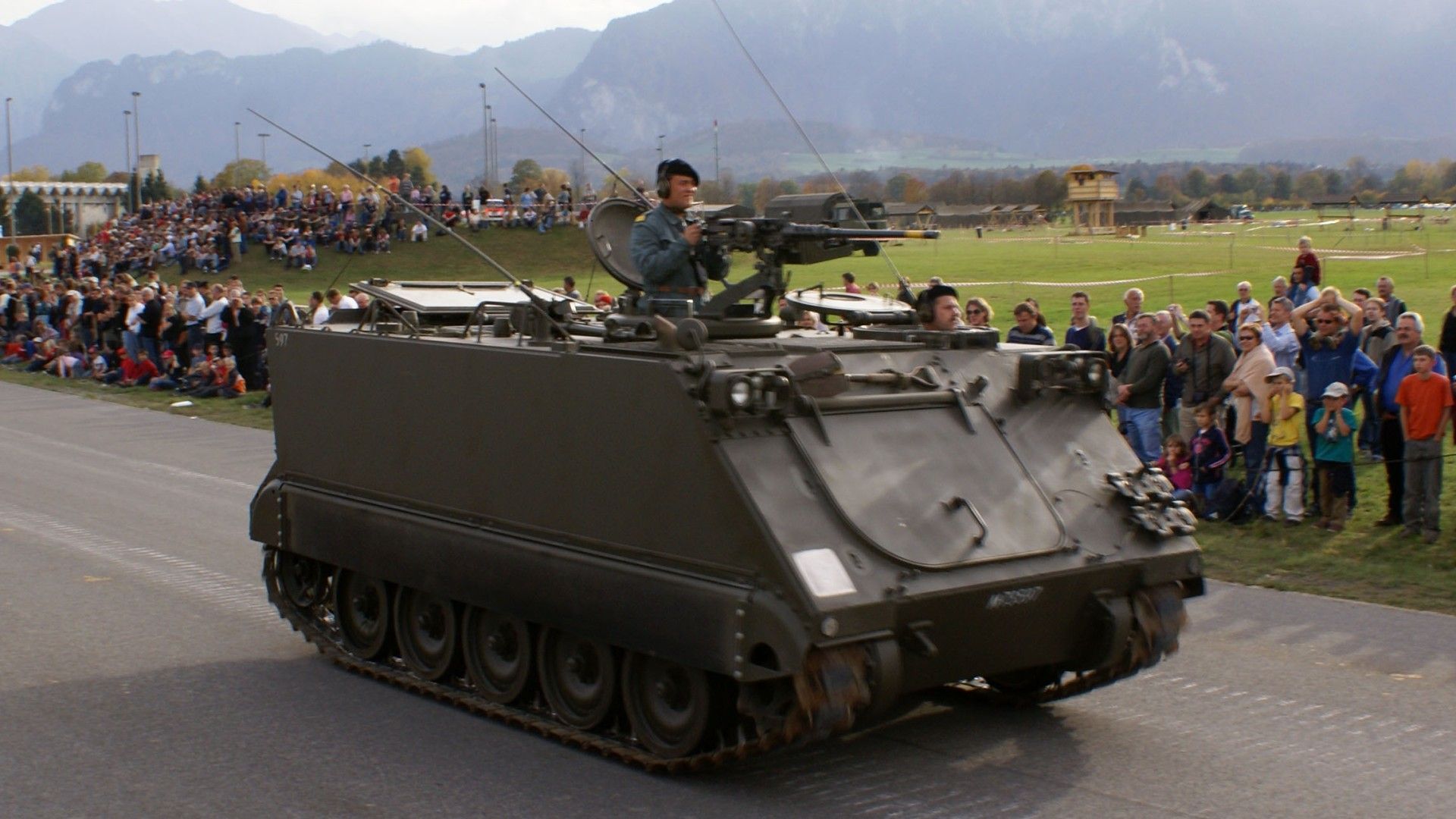
Switzerland Adopts New Security Policy Strategy
On September 26, 2026, the Swiss government formally adopted a new Security Policy Strategy centered on three main priorities: strengthening resilience, improving protection, and increasing defence capabilities. The policy shift by traditionally neutral Switzerland underscores a wider regional recognition that the European security environment has fundamentally changed following long-term geopolitical disruptions.
A Neutral State Confronts New European Realities
For decades, Switzerland relied heavily on its geographic position, stability, and traditional neutrality to insulate itself from major continental conflicts. The newly minted strategy, however, abandons the assumption that geography and neutrality alone provide sufficient protection against modern security challenges. The document outlines 10 objectives and 46 measures, approaching national security through a much wider lens than military defense alone.
Bern’s strategy explicitly targets critical infrastructure protection, the reduction of strategic dependencies, enhanced cybersecurity, and the fortification of civil protection measures. State institutions, businesses, and society as a whole are instructed to prepare for long-term operational disruption. According to the Swiss government’s assessment, hybrid and long-range attacks represent the most probable threats facing the nation in the coming years.
Assessing Regional Threats and Strategic Dependencies
Russia occupies a central position in the Swiss security assessment. The government notes that Moscow has successfully adapted its economy for wartime production, is actively preparing its armed forces for a potential confrontation with Western states, and possesses the capability to intensify hybrid pressure across Europe.
At the same time, the strategy includes an important admission regarding Switzerland’s current defense posture. Bern concedes that the country is not yet sufficiently prepared for hybrid attacks, stand-range strikes, or a direct defense scenario. While a large-scale military attack on Swiss soil remains unlikely in the short term, officials emphasize that strong defense capabilities cannot be improvised overnight. Consequently, air defense capabilities, drone defense systems, ammunition reserves, logistics, and interoperability must be developed well before any direct threat materializes.
The document also acknowledges that Switzerland inherently benefits from the broader security investments made by NATO, the European Union, and its immediate neighbors. Consequently, the strategy dictates that formal cooperation with these international partners must be established and rehearsed before a crisis actually strikes.
Broader Implications Across the Continent
The pivot by Bern carries significant symbolic and practical weight across Europe. The conclusion driving Swiss policy is increasingly visible from Warsaw and Bucharest to Tallinn, Riga, Vilnius, and other regional capitals: resilience, critical infrastructure protection, civil defense, and military readiness must be advanced in tandem.
The fundamental question facing Bern is no longer whether European security has fundamentally altered, but how rapidly the nation can adapt its defenses before potential adversaries test the remaining vulnerabilities in its security architecture.