Swiss Fixed Mortgage Rates Surge Despite Zero SNB Policy Rate
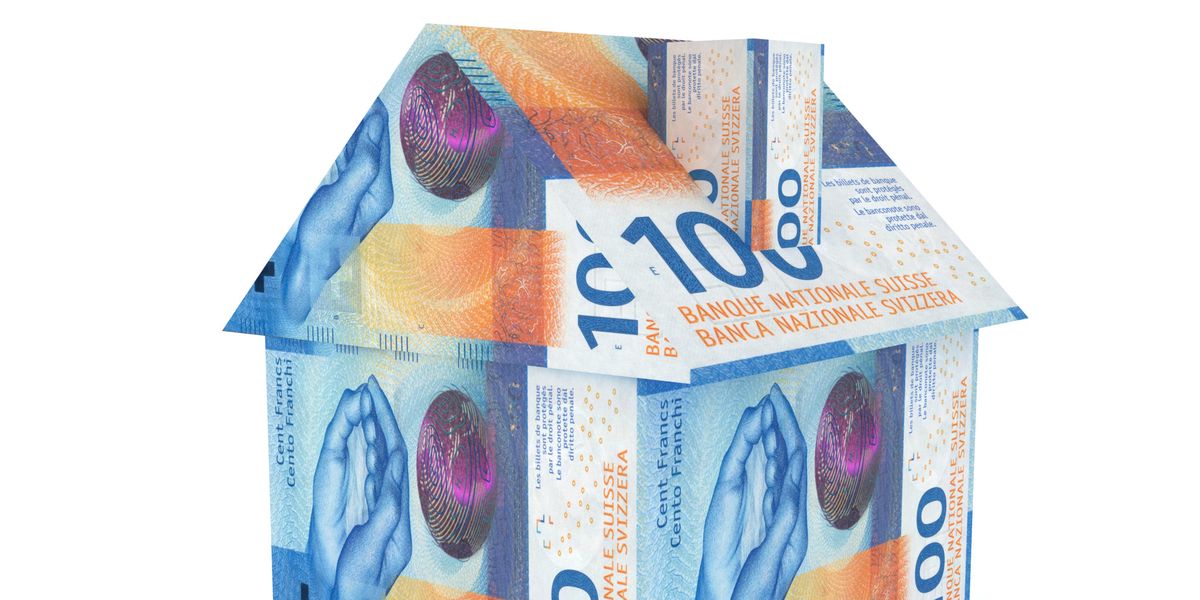
Fixed mortgage rates for a 10-year term in Switzerland have climbed to between 2 and 2.2% following a 0.43 point increase since March, according to reporting by blick.ch, even as the Swiss National Bank maintains its policy rate at zero.
The Financial Impact on Borrowers and Homebuyers
An individual who secured a mortgage loan of 1 million francs in March pays between 4,000 and 5,000 francs less per year than a borrower executing the same contract today, as detailed by blick.ch. Over a 10-year duration, this accumulates to a 40,000 franc surtax. Shorter terms have experienced parallel upward pressure, with two-year and five-year fixed products advancing by 0.5 percentage points over the same interval.
Market Expectations Drive Capital Costs Upward
Fixed-rate mortgages do not track the Swiss National Bank’s policy rate directly, as noted by Noëmi Capelli, an economist at the Bernese Cantonal Bank (BCBE), cited in blick.ch. Instead, these rates align with capital market expectations regarding future monetary policy. Fabio Isler, managing director of the financing portal hypothek.ch, told blick.ch that 10-year fixed rates increased by 0.43 percentage points since March alone. Market participants are already pricing in impending monetary tightening. The BCBE projects two policy rate increases by the Swiss National Bank in June and September of next year, while some experts anticipate the first adjustment by the end of 2026, according to blick.ch.
Precedent From 2022 and Outlook for Saron Mortgages
The current divergence between a zero policy rate and rising fixed mortgage costs mirrors market dynamics last observed in 2022, when borrowing rates increased prior to any official central bank hike, according to blick.ch. While fixed rates have largely integrated these anticipated adjustments, Saron-linked mortgages will move in direct lockstep with any future policy rate increases implemented by the central bank. Despite that expected climb in 2027, experts cited across the source reports indicate that Saron products will likely remain less expensive than fixed-rate alternatives. Noëmi Capelli suggested to blick.ch that a diplomatic resolution to geopolitical tensions involving Iran could introduce a slight market easing by 2027, though near-term stability depends entirely on capital market sentiment.