Swedish Researchers Use History to Secure Future Food Supplies
Swedish researchers are turning to 19th-century harvest statistics and World War II crop distribution patterns to secure future food supplies against extreme weather and potential ocean current shifts.
Climate Vulnerability and the Atlantic Ocean Current Threat
Higher temperatures and more frequent extreme weather events, such as droughts and heavy downpours, threaten to severely impact future agricultural yields across Sweden. At the same time, large-scale shifts in ocean currents and the atmosphere could alter the climate of northern Europe in ways researchers do not yet fully understand.
One major risk is the potential weakening of the Atlantic Meridional Overturning Circulation (Amoc), a system of ocean currents that transports heat northward and sustains northern Europe’s relatively mild climate. A weakened Amoc could trigger colder winters and drier summers across the region.
How this climatic disruption will interact with global warming to affect farming remains largely unknown.

Hanna Sjulgård stated that preparing for an uncertain future is necessary, as climate has a major impact on harvests and, in turn, on Sweden’s food self-sufficiency.
Sjulgård is investigating how crop yields across different parts of the country might shift under future global warming scenarios combined with an Amoc weakening.
Historical Landraces May Offer Traits for Climate Resilience
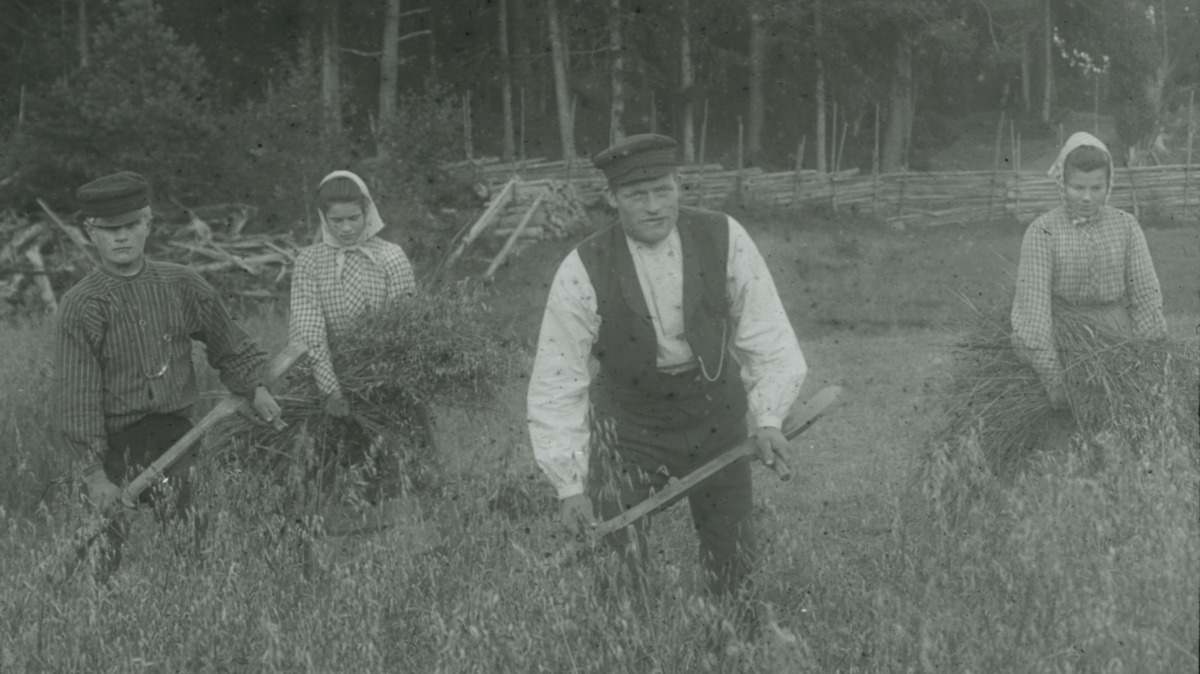
To understand future resilience, researchers are looking backward into agricultural history. Traditional crop varieties, known as landraces, adapted to local conditions over long periods without modern plant breeding.
These older varieties may possess traits that make them naturally more resilient against extreme drought or cold. To test this hypothesis, Sjulgård is analyzing historical crop statistics from the 1800s.
By comparing the relationships between weather and harvests from that era with today’s agricultural patterns, researchers aim to determine how sensitive older varieties were to extreme weather. The historical crop data is drawn from governors’ five-year reports spanning 1818 to 1870, alongside Sweden’s official statistics from 1865 to 1899.
This regional data allows for detailed geographic comparisons. Historical climate data comes from Berkeley Earth and the Modern Era Reanalysis project, which build on historical weather observations and climate reconstructions.
World War II Crop Diversity Improves Food Security
The research project also evaluates what might happen if modern farming adopted the specific combination of crops cultivated during World War II, a period when Sweden maintained higher domestic food self-sufficiency.

The investigation covers six core crops: grain, wheat, rye, oats, peas, and potatoes. Cultivating a wider variety of crops reduces agricultural vulnerability to climate shocks.
If one crop suffers severely from a prolonged drought, others may survive. Greater crop diversity also ensures the production of food with varied nutritional content.
The research project is funded by Formas, a research council for sustainable development. Ultimately, the findings aim to support modern plant breeding programs and inform policies designed to strengthen local and national food security across Sweden.