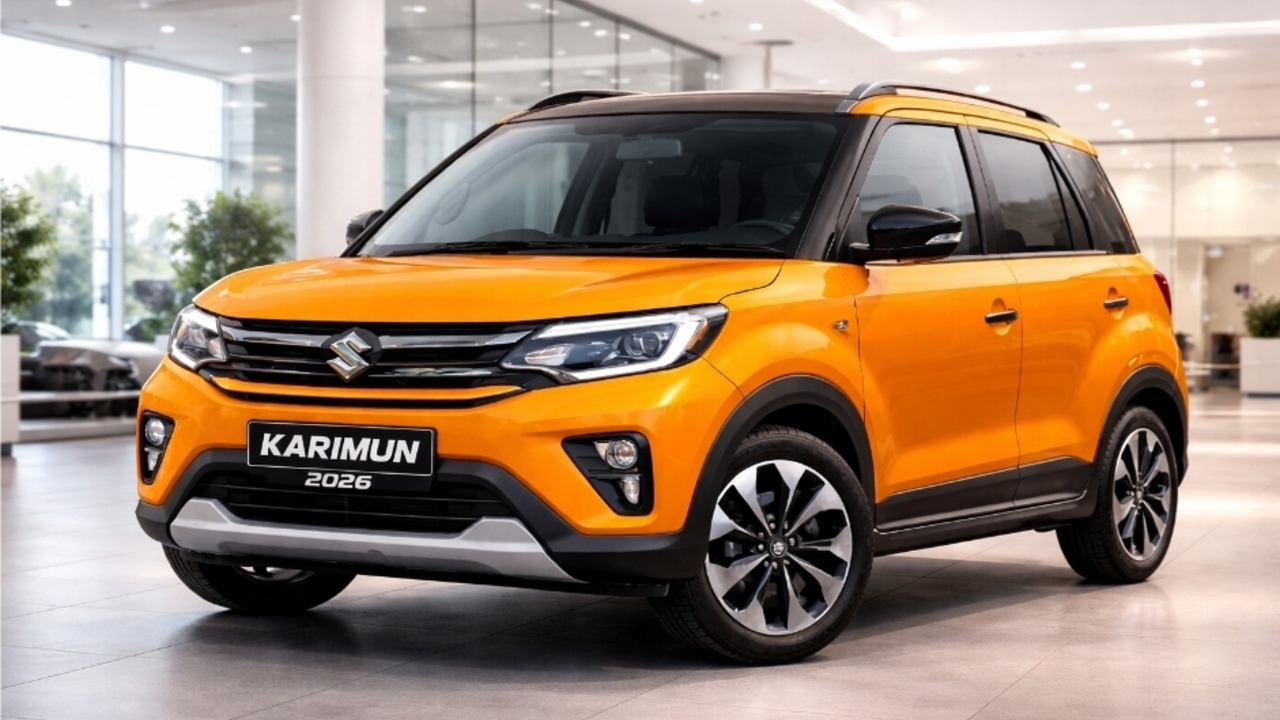
Suzuki Karimun 2026: The Return of the Ultra-Efficient City Car
Suzuki is positioning the 2026 Wagon R—marketed as the Karimun in specific regions—as a high-efficiency urban solution. Featuring a 657cc engine delivering 49 ps and 58 Nm of torque, the vehicle targets the budget-conscious city commuter with a projected price point between Rp130 million and Rp150 million.
The deployment of ultra-compact, fuel-efficient vehicles at this price bracket isn’t just a consumer play; it’s a response to tightening urban margins. For businesses, the surge in low-cost, high-density vehicle fleets creates a logistical nightmare in city centers. This shift forces enterprises to seek out fleet management software providers to optimize routing and reduce idle times in increasingly congested corridors.
The Engineering of Austerity: Breaking Down the 657cc Strategy
The 2026 model’s technical specifications reveal a lean approach to combustion. A 657cc engine producing 49 ps of peak output and 58 Nm of max torque is not designed for highway dominance. It is designed for the stop-and-go volatility of metropolitan traffic. By minimizing displacement, Suzuki maximizes fuel economy, directly addressing the “irits” (fuel-saving) demand that defines the Low Cost Green Car (LCGC) segment.
This is a calculated move in capital efficiency. The vehicle leverages the HEARTECT platform, a structural foundation designed to reduce weight while maintaining safety standards. Weight reduction translates directly into lower fuel consumption and lower wear-and-tear costs over the vehicle’s lifecycle.
Efficiency is the only currency that matters in the entry-level market.
The strategic decision to maintain the “boxy” silhouette is a lesson in spatial optimization. By maximizing the interior volume relative to the exterior footprint, Suzuki transforms a city car into a mini MPV. This versatility allows the vehicle to pivot from a personal commuter to a commercial utility tool, broadening its market appeal across different demographic tiers.
Macro Trends: How the LCGC Pivot Redefines Urban Mobility
The re-emergence of the Karimun/Wagon R brand reflects three critical shifts in the global automotive landscape:

- The Return of Micro-Mobility: As urban centers implement stricter emissions zones and parking becomes a premium commodity, the market is pivoting away from oversized sedans toward “micro” solutions. The 2026 Wagon R fits this gap, offering a footprint that reduces the cost of urban navigation.
- Platform Scalability: The use of the HEARTECT platform demonstrates a masterclass in global scaling. By using a unified architecture, Suzuki can deploy the same core engineering across India, Indonesia, and Turkey, drastically reducing R&D overhead and accelerating time-to-market for latest iterations.
- Price-Point Aggression: With pricing starting as low as Rp130 million, Suzuki is engaging in a price war to dominate the entry-level segment. This forces competitors to either slash margins or innovate their own low-cost platforms to avoid losing market share in emerging economies.
Such aggressive pricing strategies often lead to thinner margins for distributors, who must then optimize their operational costs by partnering with corporate tax advisors and operational efficiency consultants to maintain profitability.
Regional Market Penetration and the “Maruti” Effect
The historical data provides a roadmap for the 2026 model’s potential. According to Wikipedia, the Maruti Suzuki Wagon R has already moved over 3.2 million units in India as of December 2024. This volume proves that there is a massive, sustainable appetite for the “tall-boy” design and fuel-efficient powertrain.
The 2026 rollout extends this logic to other markets. In Turkey, the vehicle is being positioned as a compact city car, while in Indonesia, the “Karimun” moniker carries a legacy of reliability and economy. The ability to strip the “Maruti” branding for international exports allows Suzuki to tailor the vehicle’s identity to local market perceptions while keeping the underlying hardware identical.
Consistency in engineering allows for volatility in branding.
The fiscal implication of this strategy is a reduction in supply chain complexity. When a single platform serves multiple continents, the procurement of parts becomes a game of scale. This allows Suzuki to negotiate better terms with Tier 1 suppliers, ensuring that the Rp130-150 million price point remains viable even amidst fluctuating raw material costs.
The Bottom Line for the Coming Fiscal Quarters
As we move into the next few quarters, the success of the 2026 Wagon R/Karimun will be measured by its ability to disrupt the LCGC dominance. If Suzuki can maintain the balance between the 657cc engine’s economy and the modern stylistic updates promised in recent leaks, they will likely capture a significant portion of the first-time buyer market.

Though, the broader business challenge remains: the transition to hybrid and electric power. While the 2026 hybrid variants aim to bridge this gap, the core battle is still fought on the grounds of upfront affordability and daily running costs.
For the B2B sector, the proliferation of these vehicles suggests a growing need for specialized urban infrastructure planners who can manage the increased density of small-vehicle traffic. The market is moving toward a fragmented, high-frequency mobility model where the “box on wheels” is king.
Investors and industry players should watch the adoption rates in the Indonesian and Indian markets closely. These regions serve as the bellwether for how the rest of the developing world will handle the tension between urban growth and economic constraint. To navigate these shifts, firms must rely on vetted partners found within the World Today News Directory to ensure their operational strategies evolve as fast as the fleet on the street.