Suzana Gartner Argues Fiona the Hippopotamus Death Highlights Zoo Industry Issues
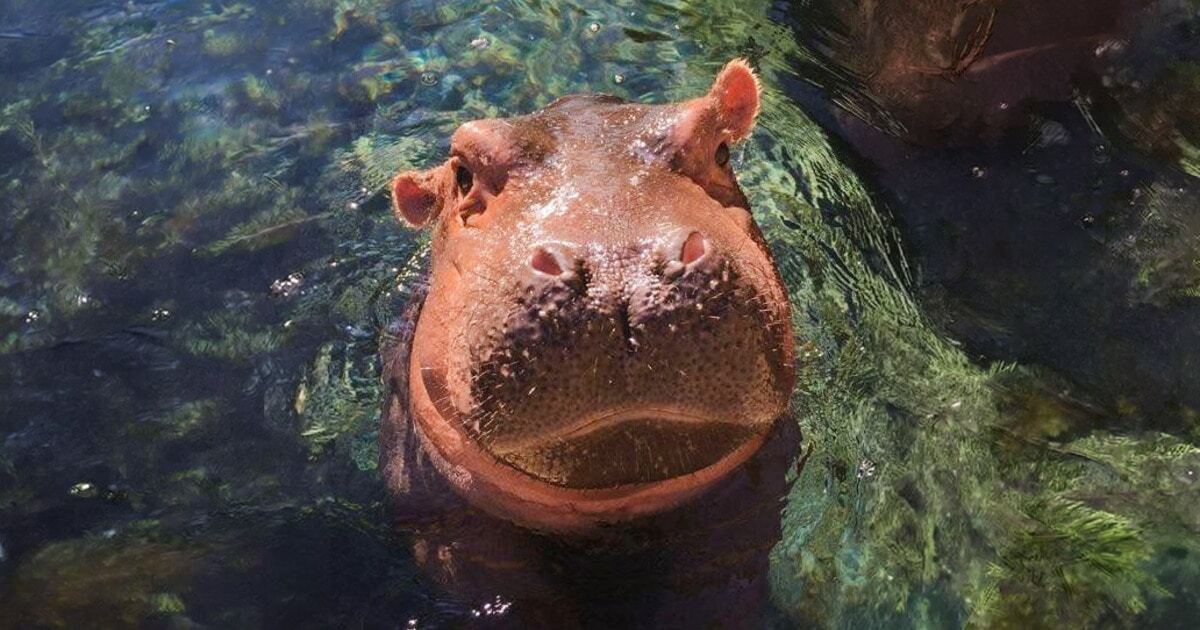
Fiona the hippopotamus died at the Cincinnati Zoo in November 2026 after swallowing a visitor’s hat that had fallen into her enclosure.
The death of the animal, which had become a major attraction for the zoo, prompted widespread public calls for accountability regarding the actions of park visitors. “So we’re pressing charges on whoever threw that hat in there, right?” reads one Instagram comment beneath Fiona’s death announcement.
“She was such a treasure at the zoo!!” The comment has more than 37,000 likes. Another, with more than 12,000 likes, adds: “I hope the zoo decides to hold the family accountable for this.”
Fiona gained international fame as the first premature hippopotamus raised by humans. Her popularity served as a significant public relations boost for the Cincinnati facility, which had faced intense scrutiny in 2016 following the death of Harambe, a gorilla shot after a child entered his exhibit.
In no time at all, Fiona soared to stardom. According to the Cincinnati Enquirer, the hippo helped generate approximately $500,000 in merchandise sales before she reached one year of age.
Despite the focus on the visitor who dropped the hat, animal protection lawyer Suzana Gartner argues that the incident highlights systemic issues within the broader zoo industry.
“Zoos should stop treating wild animals as objects and disposable commodities,” Gartner told VegNews.
The industry, which IBISWorld estimates to be worth nearly $3 billion in the United States, often relies on captive breeding to maintain populations and attract crowds. This business model frequently results in the culling of healthy animals.
In 2014, the Copenhagen Zoo in Denmark killed a healthy giraffe named Marius because his genes were well represented, while in 2025, the Nuremberg Zoo in Germany euthanized 12 baboons due to overcrowding.
“There are many reasons why zoos euthanize healthy animals,” Gartner explained. “They call it culling and justify it for the following reasons: manage surplus populations of animals due to breeding too many, limited space, or even feeding them to other animals.”
Gartner said that the lack of mandatory transparency regarding euthanasia statistics allows zoos to operate without public oversight. While North American facilities often use birth control to manage populations, the underlying commercial pressure to maintain “cute” attractions remains a concern.
“Fiona’s death was a tragic accident and captured the media’s attention,” Gartner told VegNews. “Her story is in stark contrast to the other wild animals kept in zoos that are not famous and do not receive wide public attention and stories.”
Some institutions have begun transitioning into sanctuaries to prioritize animal welfare over commercial gain. Gartner maintains that this shift is necessary to ensure animals are not kept primarily for human entertainment.
“When zoos stop using wild animals for profit, the industry can [prioritize] the conservation of wild animal species,” Gartner told VegNews. “[They] can give every animal in their care the dignity and compassion they deserve.”